Session 1 · VOICE: Validate the Problem
The runners and the garden
- 10 minHook: the breathing challenge from the first step. Share the class range: how much did breathing change after two minutes of jogging?
- 15 minLook at the garden puzzle: seeds saved from one pea plant grew into plants that were not all the same. Hand out a pod or a handful of mixed peas and beans. What differences can you see?
- 15 minGroups build a question web with three branches: fuel (food), breath (air) and traits (passing things on). Kōkako asks one question to help you choose which branch your group starts on.
- 10 minSet up the 'same seeds, different lives' experiment (see activities) so it grows while you work.
Session 2 · VOICE: Observe
Pulse, breath and recovery
- 10 minLearn to take a pulse at the wrist or neck. Practise counting for 15 seconds and multiplying by 4.
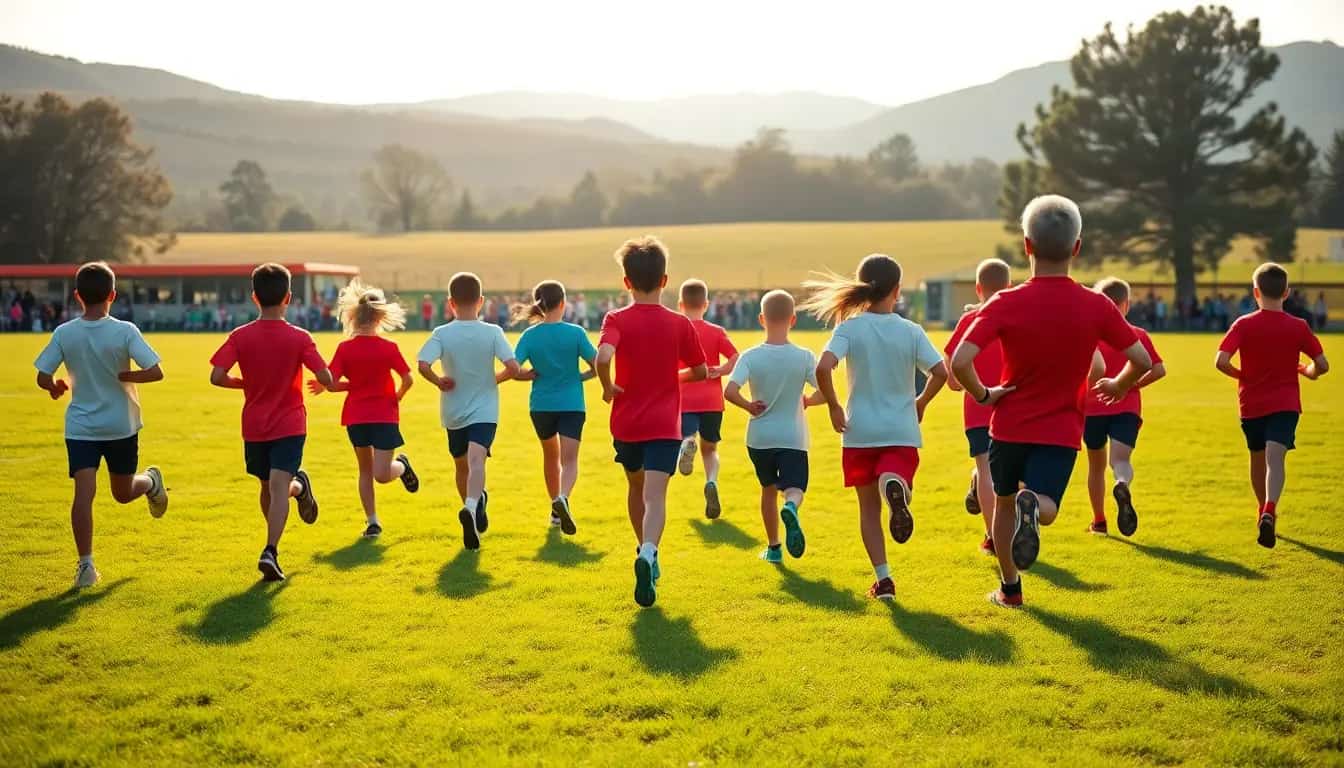
- 20 minOn the field: record resting breaths and pulse, run for three minutes, then record every minute until you are back to resting. Record anonymously on the class sheet.
- 15 minBack inside: plot the class average recovery curve. Describe its shape.
- 5 minWrite one 'why' question the graph raises.
Getting started
Use the pulse-counting card and the table with minutes already filled in.
Stretch
Explain why a fitter heart might beat fewer times per minute at rest, using the idea of how much blood it pumps each beat.
Checkpoint
The class has a shared recovery graph and every group has a question web with at least six questions.
Activities for this week
- Pulse and breath recovery: How quickly do your breathing and heart rate return to normal after exercise?
- Same seeds, different lives: Which differences between plants are inherited and which come from their environment?
Useful this week
- Body systems ↗ How the systems of the body work together, to frame your questions.
- Pollination ↗ Flower parts and how bees, birds and wind move pollen, with NZ examples.
- Obtaining oxygen ↗ A clear diagram of how oxygen gets from the air to your cells.