
Social Sciences · Years 7–8 · TRACE
Think like a historian and social scientist
Weigh the evidence and hear more than one side of the story.
8 inquiry worlds · 64 hands-on activities · 28 readings
Choose your world
8 Social Sciences worlds to explore
Each world is a full inquiry: a real question, week-by-week sessions, hands-on activities, readings and a real audience. The whole class works on the same world, in any term.
 4 weeksTō Mātou Rohe: Stories of Our PlaceAn iron axe, a printed page, a musket and a promise of peace. Find out what changed when two worlds met in your rohe.Explore this world →
 5 weeksMana Motuhake: Power, Decisions and PeopleA declaration, a treaty with two texts, a flagstaff cut down four times and a village that answered guns with song. Whose authority?Explore this world →
 5 weeksTe Awa Tupua: Rivers, Floods and PeopleA river that is a legal person, a town built on its floodplain and a flood nobody forgot. Follow the water from mountain to sea.Explore this world →
 5 weeksWhy We Move: Migration and BelongingEvery family in Aotearoa arrived from somewhere, some 800 years ago and some last year. Map the journeys that made your place.Explore this world →
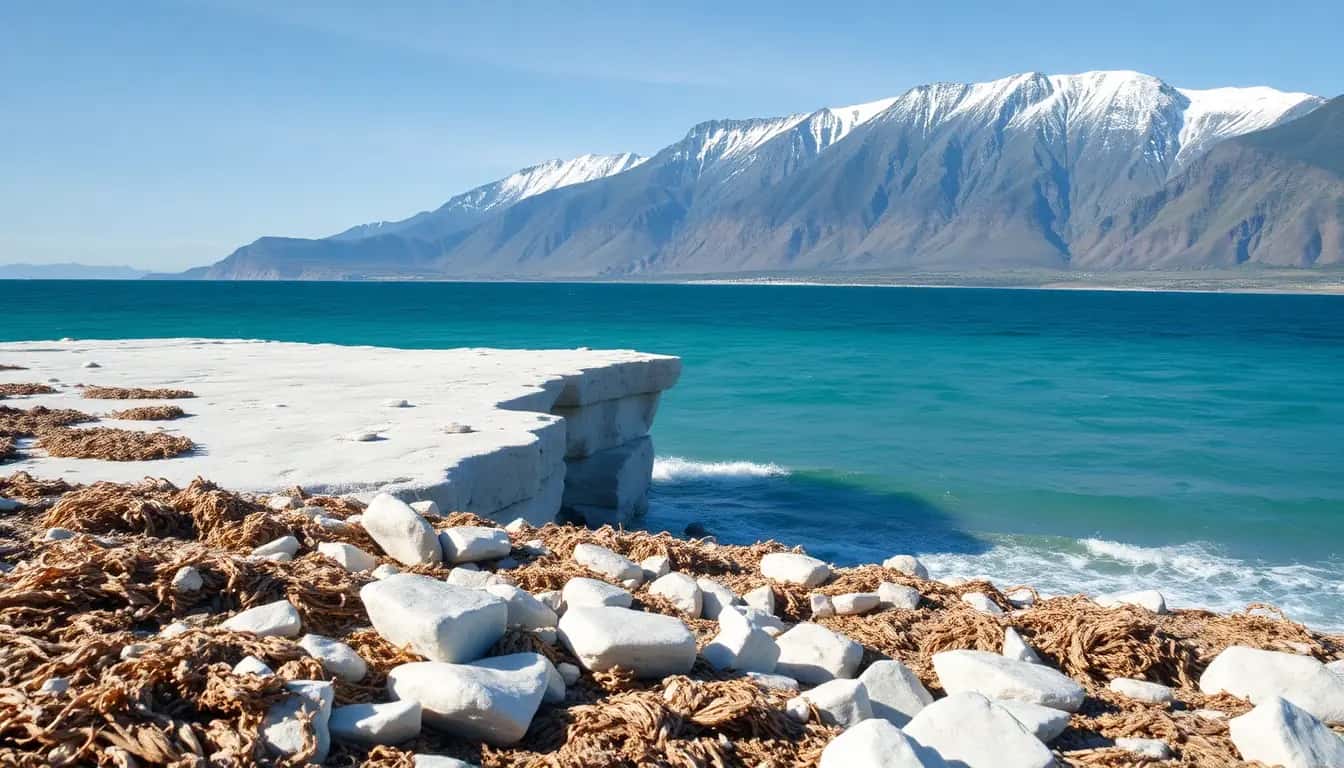 5 weeksShaky Isles: Hazards and Getting ReadyShake a tub of sand until it turns to soup, map the risks around your school and build a plan that could keep your whānau safe.Explore this world →
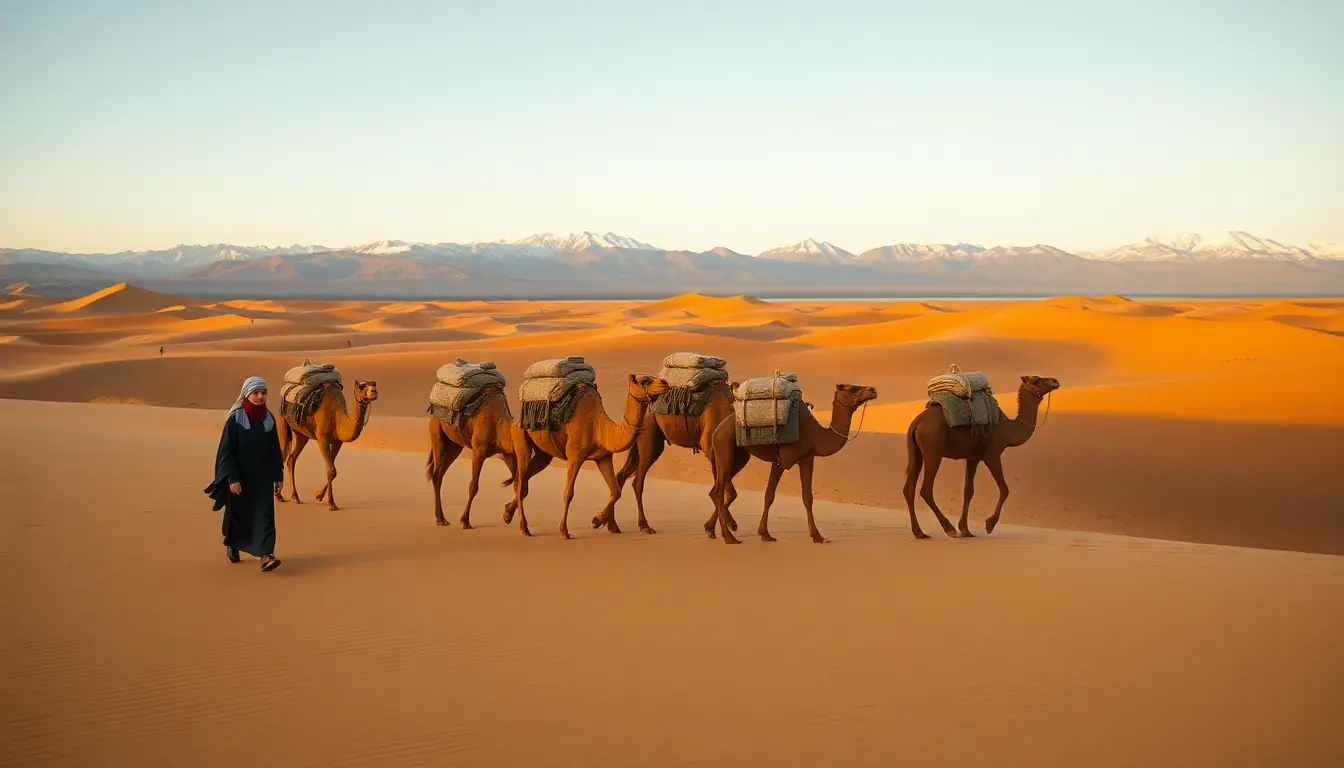 5 weeksSilk Roads and Sea Routes: When Worlds TradeFollow a bolt of silk across deserts, a peppercorn across oceans and an idea across the world, and find out who paid the price.Explore this world →
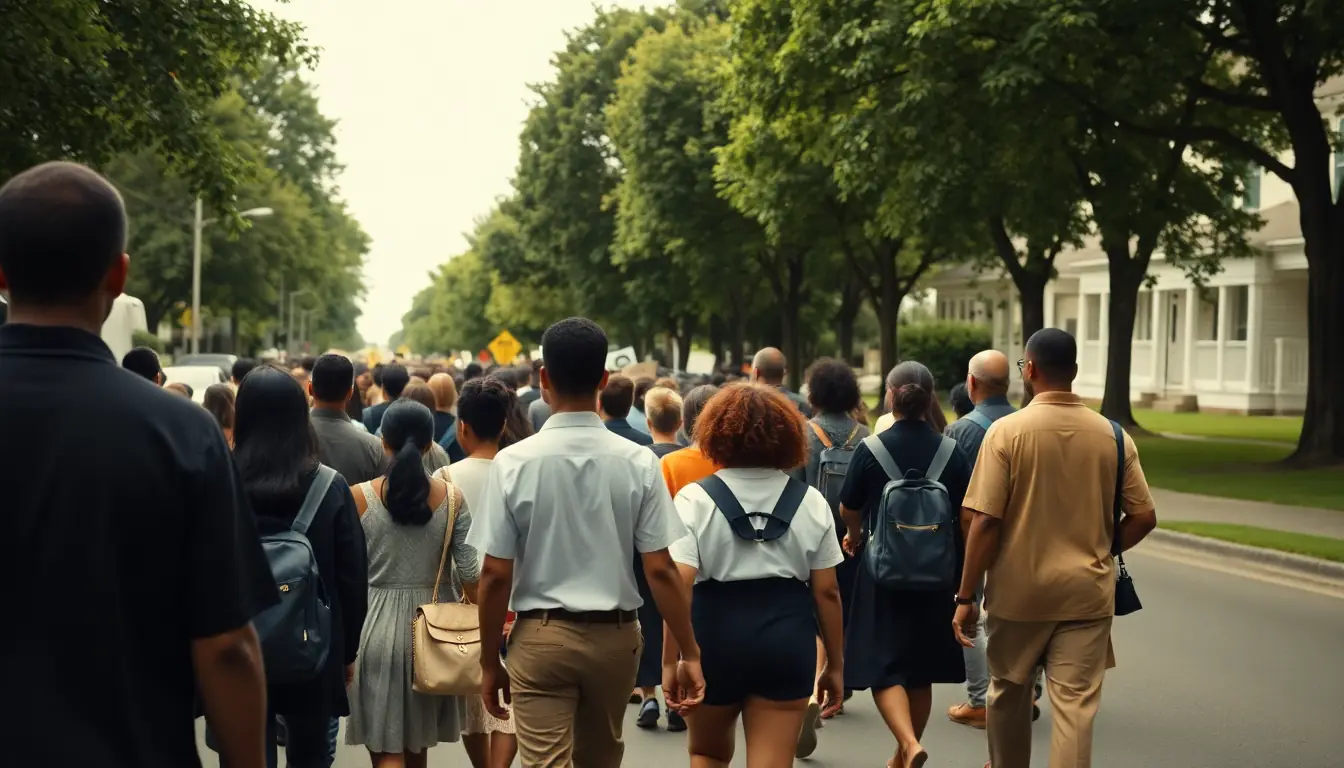 5 weeksStanding Up: Civil Rights and Youth VoiceTeenagers sat at lunch counters, walked into schools and marched for rights. What worked, and how can your voice change things now?Explore this world →
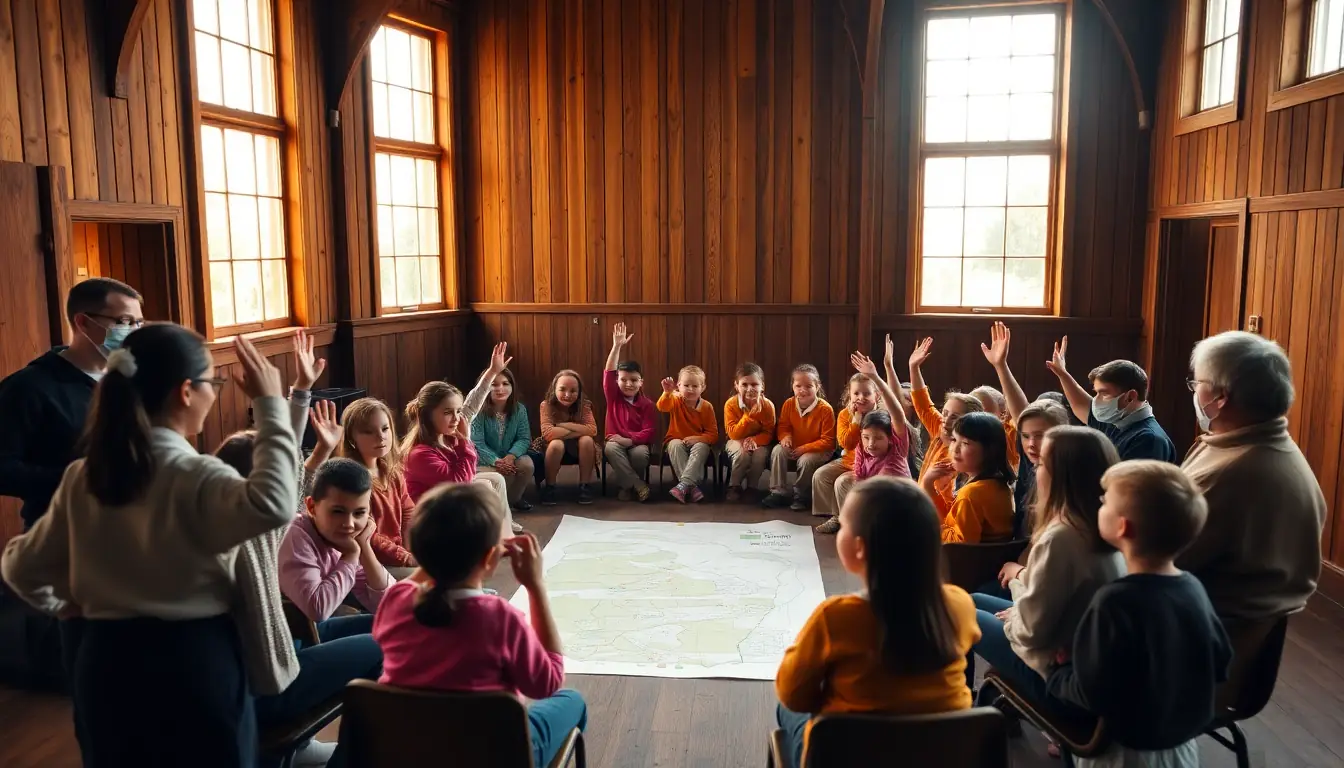 5 weeksOur Money, Our CommunityPick a real council decision, cost your own plan, spot the tricks in ads and scams, and have your say where it counts.Explore this world →
Your journey: TRACE
Every Social Sciences world moves through the same stages.
- Time & Place
- Relationships
- Accounts
- Causes & Consequences
- Evaluate
Background reading
Read to understand
Short readings from every world, written for Kōkiri Learn students.
- Before and after the ships: Māori society and the first tradersHow Māori society worked before 1790, who arrived next, and what each side gave and gained.
- Words on paper: written te reo and the printing pressHow te reo Māori was written down, why printing mattered, and how quickly Māori made reading and writing their own.
- Muskets, disease and Nunuku's CovenantNew weapons and new diseases brought huge change. On Rēkohu, Moriori faced it with a law of peace.
- He Whakaputanga and te Tiriti o Waitangi: two agreements, two textsWhat rangatira declared in 1835, what was signed in 1840, and why the two texts of te Tiriti still matter.
- Parihaka and the Kīngitanga: holding on to manaTwo different responses to the loss of land: uniting under a king, and resisting with peace at Parihaka.
- From the Land March to Treaty settlementsHow petitions, a long march and a new tribunal changed the way Aotearoa deals with broken promises.
- How Parliament makes a lawThree branches of government, where ordinary people get a say, and how Treaty settlements become law.
- Extension: 1893, how women in Aotearoa won the voteAnother petition that changed who holds power: the campaign that won women the vote.
- From the mountain to the sea: how a river system worksEvery river is a whole system: a catchment, tributaries, bends, a floodplain and a mouth. Here is how it fits together.
- Ko au te awa, ko te awa ko au: Te Awa TupuaIn 2017 the Whanganui River became a legal person. Here is what that means, and why Whanganui iwi fought for it for so long.
- When the river rose: the 2015 Whanganui floodWhat made the Whanganui River flood in June 2015, what happened to the town, and how people protect floodplains.
- Push, pull and forced: why people moveThe reasons people leave one place and choose another, the words geographers use for them, and how flow maps show movement.
- Waves to Aotearoa: who came, when and whyFrom the first Polynesian voyagers to today, the waves of people who made New Zealand, and the laws that decided who could come.
- From the country to the city, and how people shape placesWhy most Māori moved to towns and cities after the Second World War, and how every group that moves changes the place it arrives in.
- Why Aotearoa shakes: plates, liquefaction and tsunamiNew Zealand sits where two giant plates meet. That is why we have earthquakes, why some ground turns to liquid, and why some coasts face tsunami.
- Two earthquakes, two stories: Canterbury and KaikōuraThe Canterbury earthquakes and the Kaikōura earthquake taught New Zealand hard lessons about where we build, how we help each other and how we recover.
- Cyclone Gabrielle, the Esk Valley and the four RsIn February 2023 a cyclone flooded the Esk Valley and much of the east coast. It shows how land, rain and planning decide how bad a hazard becomes.
- The Silk Roads: a web across the worldMore than 2,000 years ago, trade routes began linking China with Central Asia, India, Persia and the Mediterranean. The journey was long, hard and dangerous.
- Paper, printing, compass and gunpowder: ideas on the moveFour Chinese inventions travelled the trade routes and changed the world, carried by merchants, monks and travellers.
- From Venice to the open ocean: spices and the Age of ExplorationVenice grew rich on the spice trade. When the land routes became harder to use, European kingdoms raced to find sea routes to Asia.
- Empires and the transatlantic slave tradeEuropean empires grew rich from colonies and plantations. Millions of African people were enslaved to work on them, and they never stopped resisting.
- Free but not equal: from slavery's end to Jim CrowSlavery ended in the United States in 1865, but for almost a hundred years unfair laws kept Black Americans apart and stopped many from voting.
- Young people at the front: Montgomery to SelmaTeenagers and children were at the heart of the Civil Rights Movement. Their courage helped win two of the most important laws in US history.
- Standing up in Aotearoa: the Panthers, the Dawn Raids and a petition for te reoIn the 1970s young Pacific and Māori activists in Aotearoa stood up against racism and for their language. Their work still shapes the country today.
- Who decides? Councils, rates and having your sayYour local council spends millions of dollars on things you use every day. Here is how it decides, and how you can be part of it.
- Dollars, budgets and pooling togetherMoney only works because people trust it. Budgets help us choose what matters most, and pooling lets groups do what nobody could do alone.
- Your rights as a shopper, and the pressure to buyNew Zealand laws protect you when you buy things. Knowing them, and knowing how adverts work on you, helps you make calmer choices.
- Cards, interest, KiwiSaver and scamsSome ways of paying spend your own money and some are borrowing. Interest can work for you or against you, and scammers are always looking for a way in.
New Zealand Curriculum, Phase 3
What Social Sciences asks for in Years 7–8
A summary of the refreshed teaching sequence. A combined class meets the Year 7 sequence in one year of the cycle and the Year 8 sequence in the other.
Proposed statement (August 2026), required from 2027 Official statement ↗
History (Aotearoa)
Year 7 sequence
- Early contact 1790–1830: Māori society, mana, whakapapa, tikanga, utu and whenua as taonga
- Traditional economies and inter-iwi trade
- Sealers, whalers, traders and missionaries; exchange of goods, tools and schooling
- Te reo Māori written down, the printing press, and Māori travelling abroad
- The Musket Wars, disease and displacement, including Moriori and Nunuku's Covenant
Year 8 sequence
- Settler growth, lawlessness and foreign influence from 1830
- He Whakaputanga 1835 and what it affirmed
- Te Tiriti o Waitangi 1840: two texts, kāwanatanga, tino rangatiratanga and taonga; the signings and why some rangatira did not sign
- Broken promises and contested sovereignty: the flagstaff, the Northern War and Ruapekapeka
- Responses to land and language loss: Kīngitanga, Parihaka, the 1975 Land March and Treaty settlements
- Ngā Tamatoa and the 1972 Māori language petition; kōhanga reo
Global history
Year 7 sequence
- The Silk Roads: the Han-era trade network and the hardships of the route
- Merchants, monks and travellers exchanging goods, beliefs and technologies
- Venice, the spice trade and the Age of Exploration
- Conquest, colonisation, trading empires and the transatlantic slave trade
- Alternative context: China and the West 1644–1949
Year 8 sequence
- The US Civil Rights Movement 1954–1968
- The 13th Amendment and Jim Crow segregation
- Non-violent strategies and ordinary people: Montgomery, Greensboro, Birmingham, Little Rock
- The Civil Rights Act 1964 and the Voting Rights Act 1965
- Alternative context: expansion west in America 1803–1890s
Geography
Year 7 sequence
- International and internal migration: push and pull factors
- Forced migration, refugees and asylum seekers
- Post-war migrant origins, government schemes and Māori rural–urban migration
- How migrants shape places; contributions and barriers such as discrimination, language and unrecognised qualifications
- Flow maps and choropleth maps of population change
Year 8 sequence
- Natural hazards and the four Rs
- River systems, Te Awa Tupua and floodplain settlement
- Rainfall, land cover, stopbanks, forecasting and warnings
- Earthquakes: plate movement, liquefaction, tsunami and personal response
- Topographic maps and grid references
Civics and society
Year 7 sequence
- Active participation and civic responsibility
- What councils do, and how rates and taxes pay for it
- Councils' relationships with iwi and business
- Informed citizenship: fact, opinion and ethical sharing of information
Year 8 sequence
- Enlightenment thinking and government by consent
- Core democratic values
- Influencing decisions: MPs, submissions, petitions, campaigns and protest
- Peaceful resolution: elections, courts, tribunals, the Waitangi Tribunal, the Ombudsman, citizens' assemblies
Financial and economic activity
Year 7 sequence
- Currencies and the NZ dollar; what a business is
- Groups that make financial decisions and their shared values
- Group budgets, trade-offs and financial planning
- Pooling and sharing resources, including papakāinga; financial sustainability
Year 8 sequence
- Consumer rights and responsibilities
- Advertising, influencers and manipulative design
- Payment methods, interest, credit and debt
- Investing, KiwiSaver, and protecting yourself from scams
Trusted NZ sites
Explore more
- DigitalNZ ↗
National Library of New Zealand
Millions of NZ photos, newspapers and records to use as sources.
- Te Papa Collections Online ↗
Te Papa
Objects and images from the national museum.
- Services to Schools ↗
National Library of New Zealand
Help finding and using sources for inquiry.
Ready to run it with your class?
Free trial for NZ schools. One combined Years 7–8 class, any term.