
Health and Physical Education · Years 7–8 · THRIVE
Think like a hauora champion
Understand what helps you and others thrive, and act on it.
8 inquiry worlds · 62 hands-on activities · 24 readings
Choose your world
8 Health and Physical Education worlds to explore
Each world is a full inquiry: a real question, week-by-week sessions, hands-on activities, readings and a real audience. The whole class works on the same world, in any term.
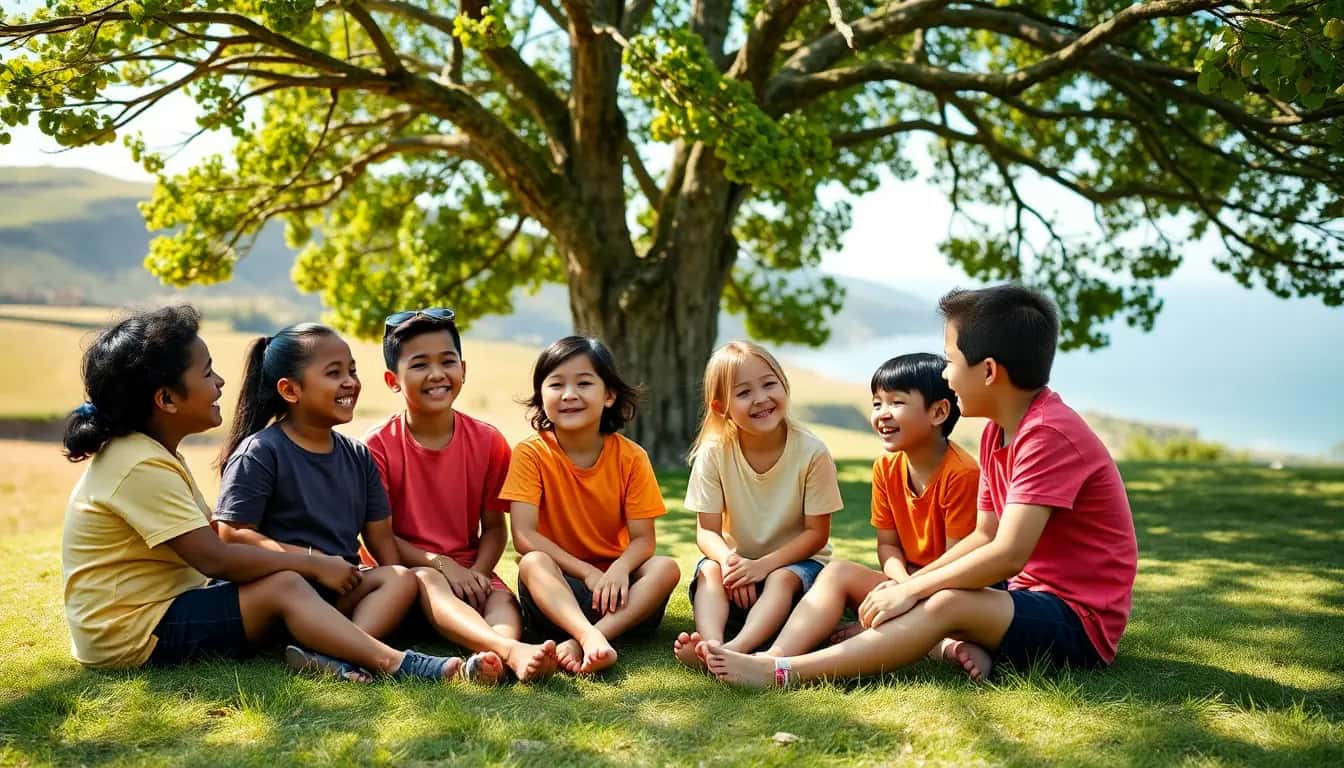 4 weeksTe Whare Tapa Whā: Building WellbeingFour walls, one whare: you. Find the wall that needs care, trial one small habit, and let your own evidence tell the story.Explore this world →
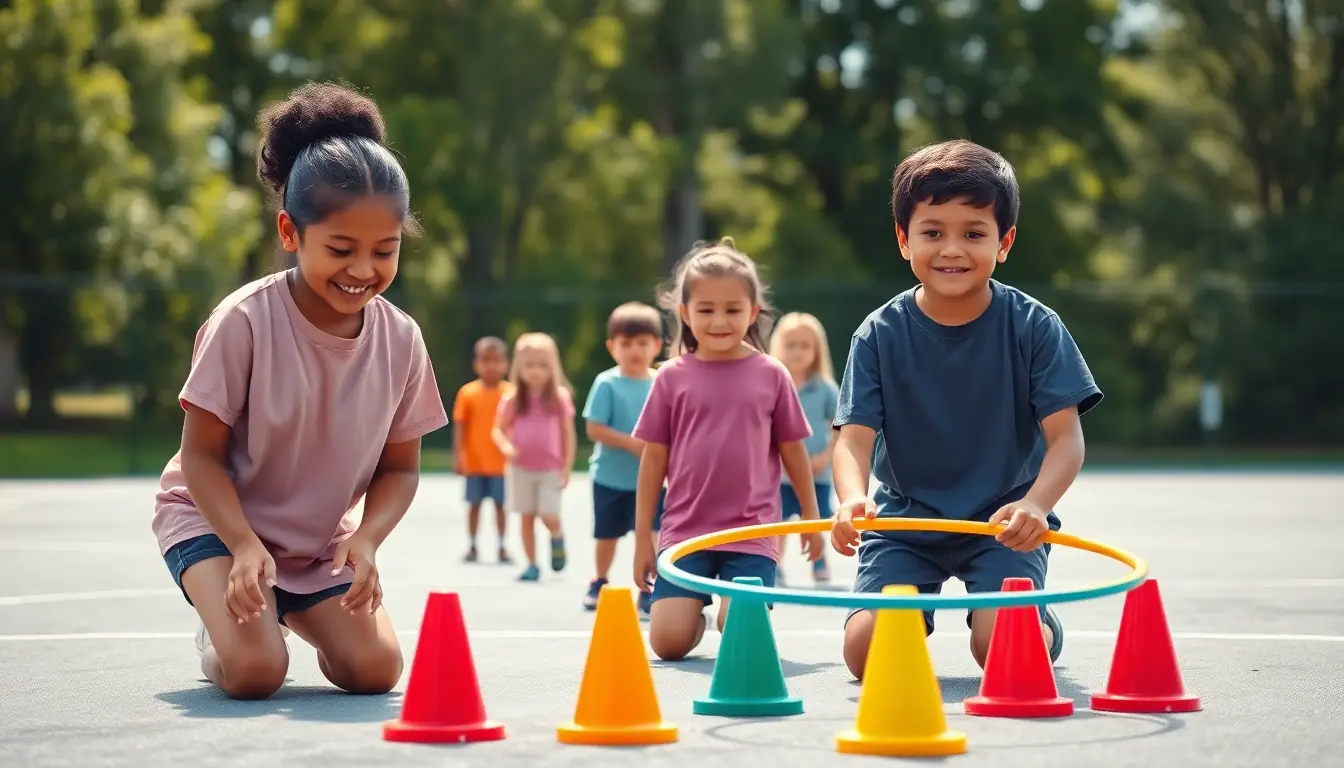 5 weeksHauora in ActionSpot a wellbeing gap in your class, team or community. Design a fix, run it for two weeks and find out, with evidence, if it worked.Explore this world →
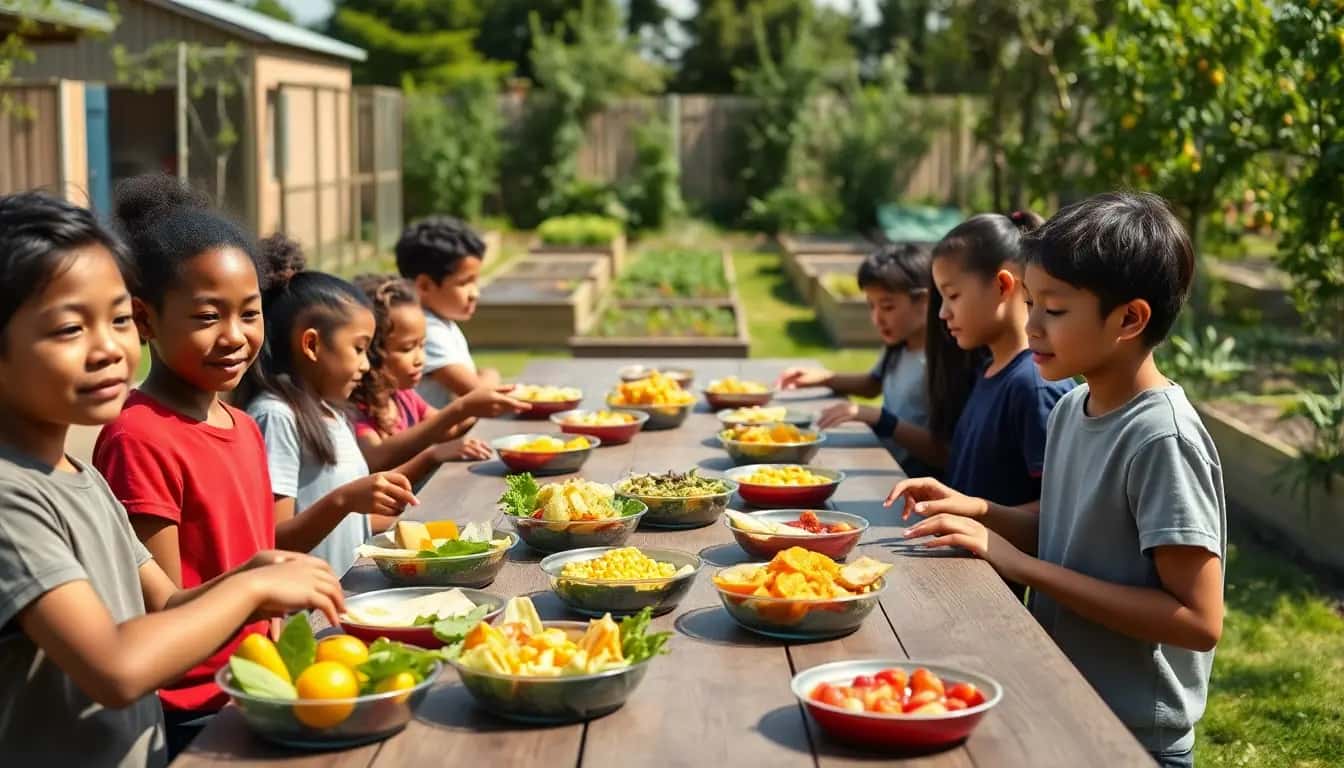 5 weeksKai and Me: Food Choices and LabelsCrack the code on the back of the packet, catch the tricks on the front, and design a lunch worth sharing.Explore this world →
 5 weeksRecharge: Sleep, Screens and StressYour brain runs on a battery. Find out what drains it, what really recharges it, and how to hold your ground when pressure hits.Explore this world →
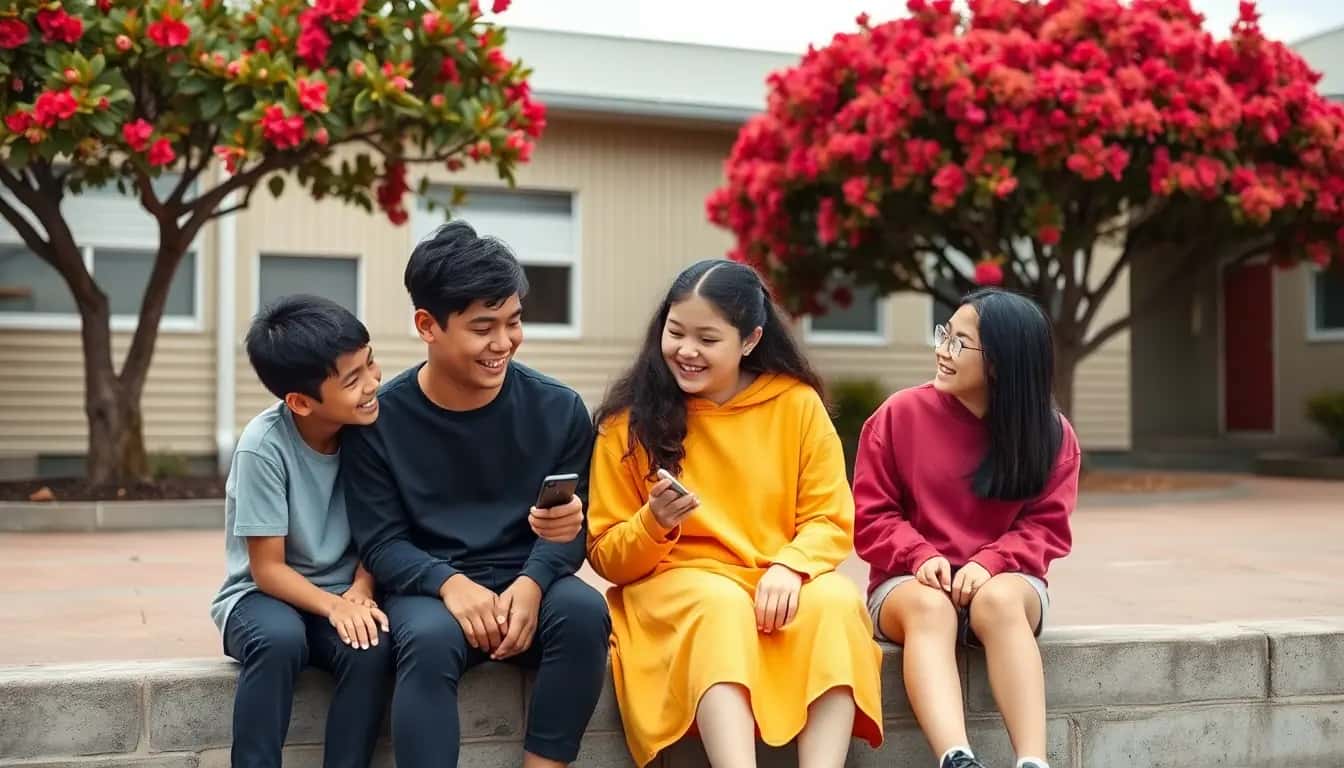 5 weeksKind Online, Strong OfflineGroup chats, feeds and filters: learn how the online world really works, then build a toolkit that helps younger kids stay kind and safe.Explore this world →
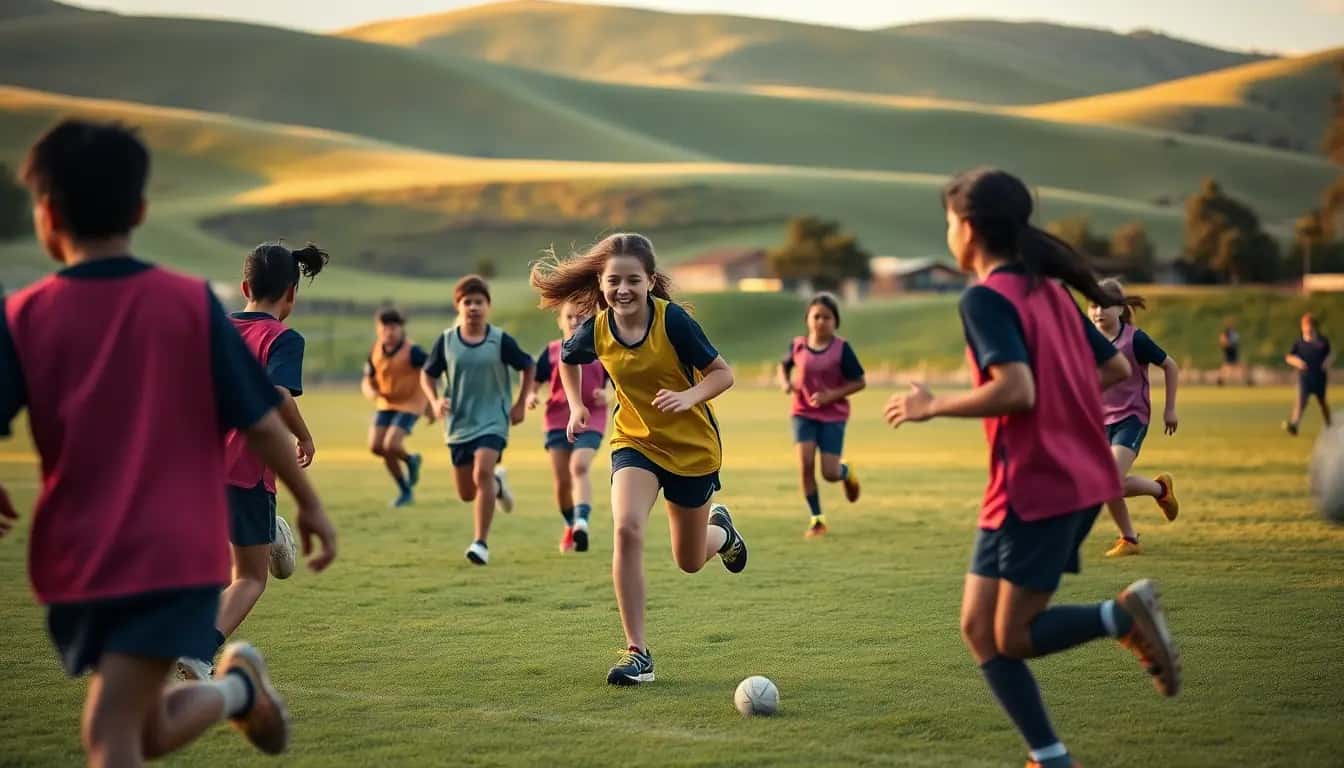 5 weeksGame On: Tactics, Teamwork and Fair PlayFind the space, read the play, make the call. Learn to think like a player, a coach and a referee, then run a games festival.Explore this world →
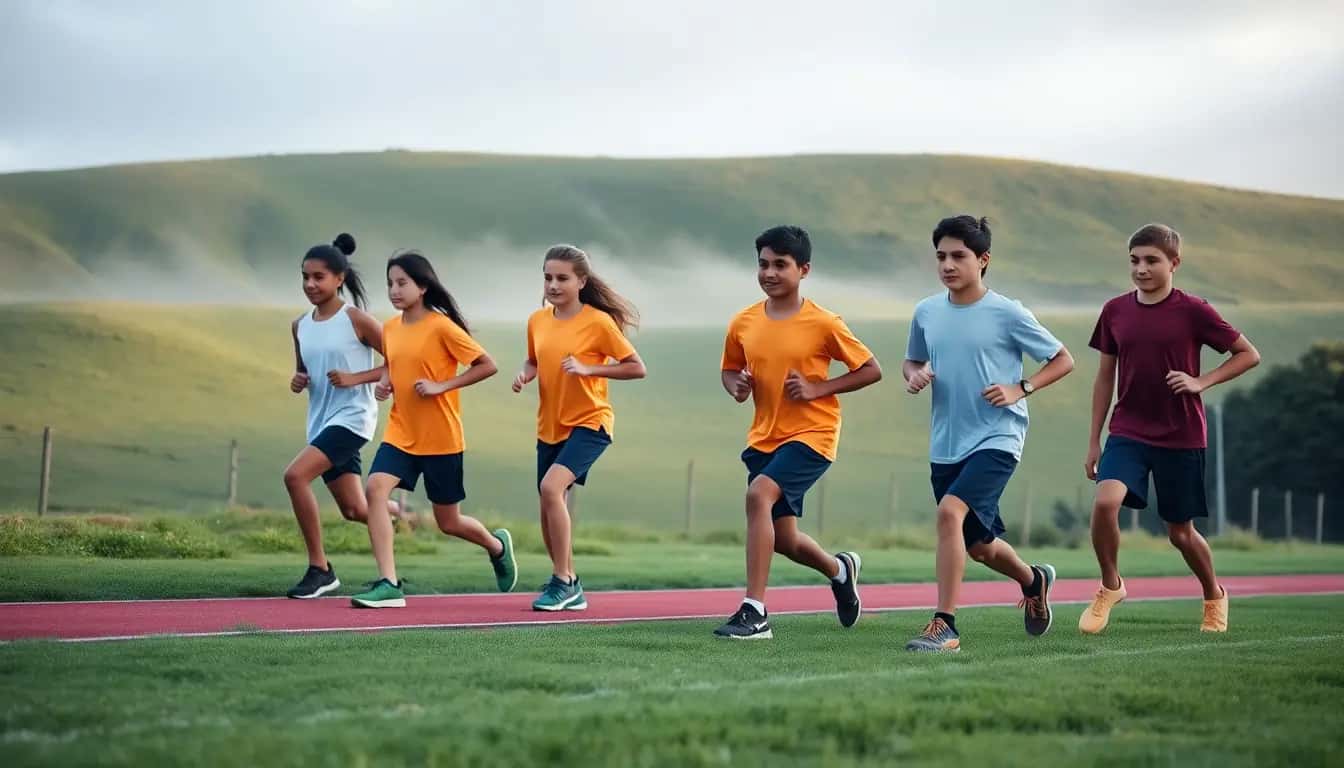 5 weeksPersonal Best: Training and Goal SettingTest yourself, train smart and track your own progress. The only person you're racing is last month's you.Explore this world →
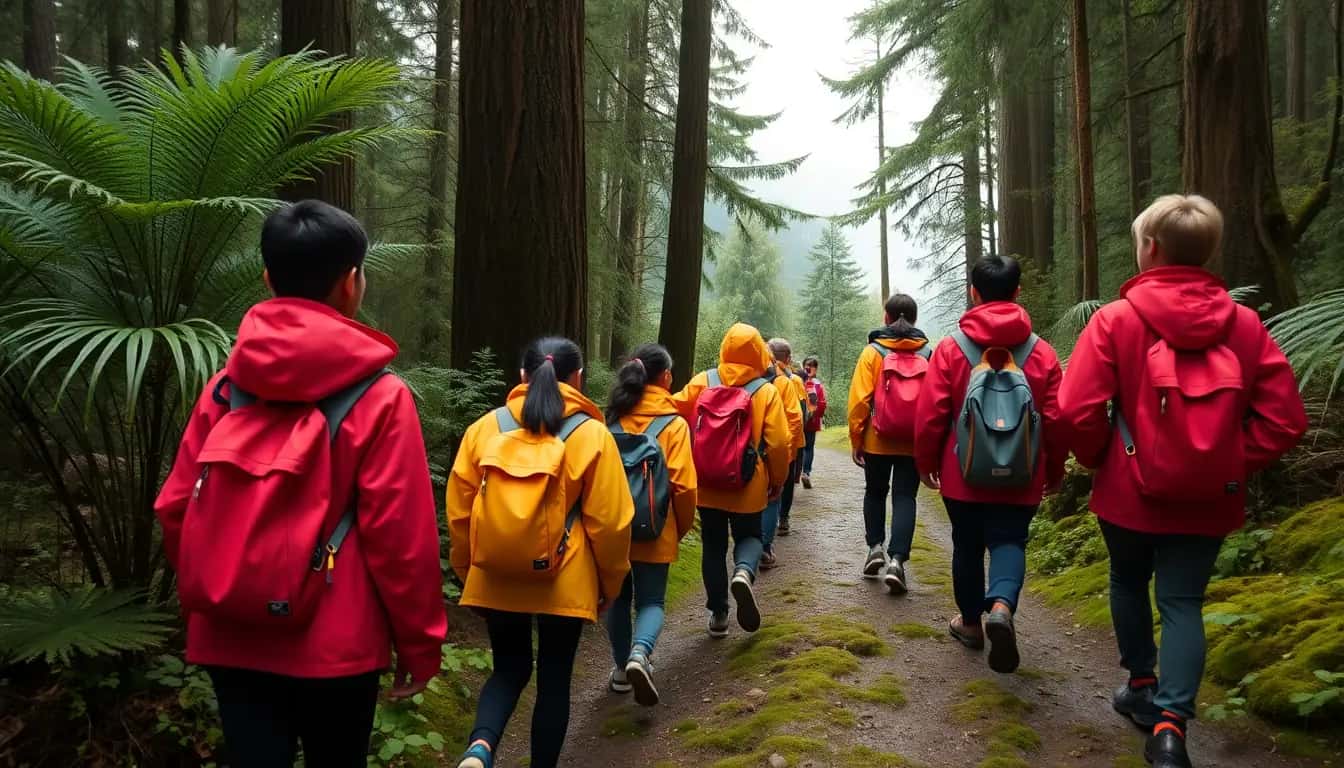 5 weeksInto the Outdoors: Risk, Navigation and LeadershipRead the weather, pack the right gear, find your way with a map and compass, and bring everyone home. Plan a real trip.Explore this world →
Your journey: THRIVE
Every Health and Physical Education world moves through the same stages.
- Tune In
- Habits
- Relationships
- Improve
- Value
- Evaluate
Background reading
Read to understand
Short readings from every world, written for Kōkiri Learn students.
- Te Whare Tapa Whā: the four walls of hauoraA model of wellbeing from Aotearoa: four walls, the land beneath, and why a small change in one wall can strengthen the whole house.
- Sleep, screens and movement: what the evidence saysNZ guidelines for young people, why puberty moves your body clock, and how to use guidelines without comparing yourself to anyone.
- How habits stick (and why most don't)Every habit runs on a loop of cue, routine and reward. Learn how to build one small enough to keep, and how to judge whether it helped.
- Wellbeing is a team sportWhy groups thrive or struggle together, and how the Five Ways to Wellbeing can help you spot what a group needs.
- Speaking up and making spaceHow to handle pressure, notice who is being left out, and challenge stereotypes when leading a group, even when it feels uncomfortable.
- Did it work? Evaluating like a health workerHow to set a measurable goal, collect honest evidence, and judge fairly what your initiative achieved, including what didn't go to plan.
- A balanced plate for a growing bodyWhat your body needs while it grows fast, the food groups that provide it, and why variety beats any 'superfood'.
- Reading a food label like a detectiveThe front of the packet is an advert; the back is the evidence. How to compare foods fairly per 100 g, read ingredients, and see through the tricks.
- Kai traditions: growing, sharing and saving seedsHow Māori grew and cooked kai, why sharing food matters in so many cultures, and why people are saving old varieties of fruit and vegetables.
- Why you get sleepy: sleep pressure, your body clock and screensTwo systems decide when you feel sleepy. Learn how sleep pressure and your body clock work, why puberty moves the clock later, and what evening light and screens do.
- Stress: your body's alarm systemWhat stress is, what it does in your body, why the same event can feel like a challenge to one person and a threat to another, and two kinds of ways to cope.
- Vaping, alcohol and energy drinks: the factsPlain facts about what vaping, alcohol and energy drinks do to a growing brain and body, what the law says, and why most young people choose not to.
- Footprints and feeds: how the online world worksWhy posts last and spread, who your invisible audience is, and how feeds use your clicks to decide what you see next.
- Your voice: boundaries, changing your mind and standing upHow to say what you need clearly, why everyone can change their mind, how to tell banter from bullying, and safe ways to back someone up.
- Filters, stereotypes and what's realHow images of bodies are edited, why we compare ourselves anyway, how stereotypes turn into 'rules', and how to push back.
- Reading the play: tactics in invasion, net and striking gamesMost games are really about space. Learn the four families of games and the smart decisions players make in each.
- Fair, safe and fun: rules, roles and including everyoneWhy rules exist, what an umpire really does, how shared roles make teams stronger, and how to change a game so everyone can play.
- Ngā tākaro: traditional Māori games and kī-o-rahiGames were an important part of life in traditional Māori society. Many are being played again today, including the team game kī-o-rahi.
- How training works: SPORT, FITT and the methods athletes useYour body adapts to the challenges you give it. Learn the principles and methods that make training work.
- Your data, your goal: racing only yourselfHow to measure where you're starting, set a goal you can reach, read your own progress graph, and why comparing yourself with others doesn't help.
- Warm up, fuel up, recover: looking after your bodyWhy warm-ups and cool-downs matter, what to eat and drink around training, and why rest is part of getting better.
- Four seasons in one day: weather, wind and staying warmWhy weather in Aotearoa changes so fast, how wind and water steal heat from your body, and how layers keep you safe.
- Finding your way: maps, compasses and planning a routeHow to read a topographic map, use a compass, and plan a route with times, a turnaround point and ways out.
- Everyone home safe: leadership, shelter and first aidHow a group shares jobs and decisions outdoors, and the simple survival and first aid steps that help when things go wrong.
New Zealand Curriculum, Phase 3
What Health and Physical Education asks for in Years 7–8
A summary of the refreshed teaching sequence. A combined class meets the Year 7 sequence in one year of the cycle and the Year 8 sequence in the other.
Required from 2029 (can start earlier) Official statement ↗
Health: bodies and minds
Year 7 sequence
- Puberty, sleep and emotions
- Balanced diet and what shapes food choices
- Managing change and stress
- Resisting pressure about substances
Year 8 sequence
- Physical, emotional and social changes of puberty
- Reading food advertising and labels
- Causes and management of stress
- Harms from alcohol, vaping and other drugs
Health: relationships
Year 7 sequence
- Decision-making and empathy
- Role models
- Boundaries and consent
- Online safety; stereotypes
Year 8 sequence
- Strategies for high-pressure situations
- Consent
- Unrealistic online images of bodies
- Challenging stereotypes and unfair behaviour
PE: movement skills
Year 7 sequence
- Safety, fairness and rules
- Warm-ups and training routines
- Tactical decisions in games
- Movement sequences: balance, strength, flexibility
Year 8 sequence
- Rules, strategies and tactics
- Improving technique
- Using data to set goals
- Training methods and nutrition
PE: outdoor education
Year 7 sequence
- Changing risks in the outdoors
- Group capabilities and needs
- Safe decisions outdoors
Year 8 sequence
- Basic survival skills and first aid
- Leadership and shared responsibility
- Maps, compass and route planning
Trusted NZ sites
Explore more
- Te Whare Tapa Whā ↗
Mental Health Foundation
The four walls of hauora, explained.
- Sport New Zealand ↗
Sport NZ
Ideas for getting active and playing well together.
Ready to run it with your class?
Free trial for NZ schools. One combined Years 7–8 class, any term.