Science · World 4 of 8 · Years 7–8
Fuel, Breath and Family Traits
Where does your lunch go? Why do you puff on a hill? Why are no two peas in a pod the same? Your body and your garden hold the answers.
Big question: How do living things turn food and air into energy, and how do they pass their traits on to the next generation?
- You'll make
- A 'Life Keeps Going' interactive display with three stations: a working lung model with your breathing data, a digestion demonstration that follows one meal from mouth to cell, and a trait-and-flower station with your pea or seed data and a labelled flower you dissected.
- For
- Whānau at a sports day or garden open day, a junior class who try your stations, and the school garden team or a local seed-saving group
- Time
- 5 weeks · 2 sessions a week
Your mission
Why it matters
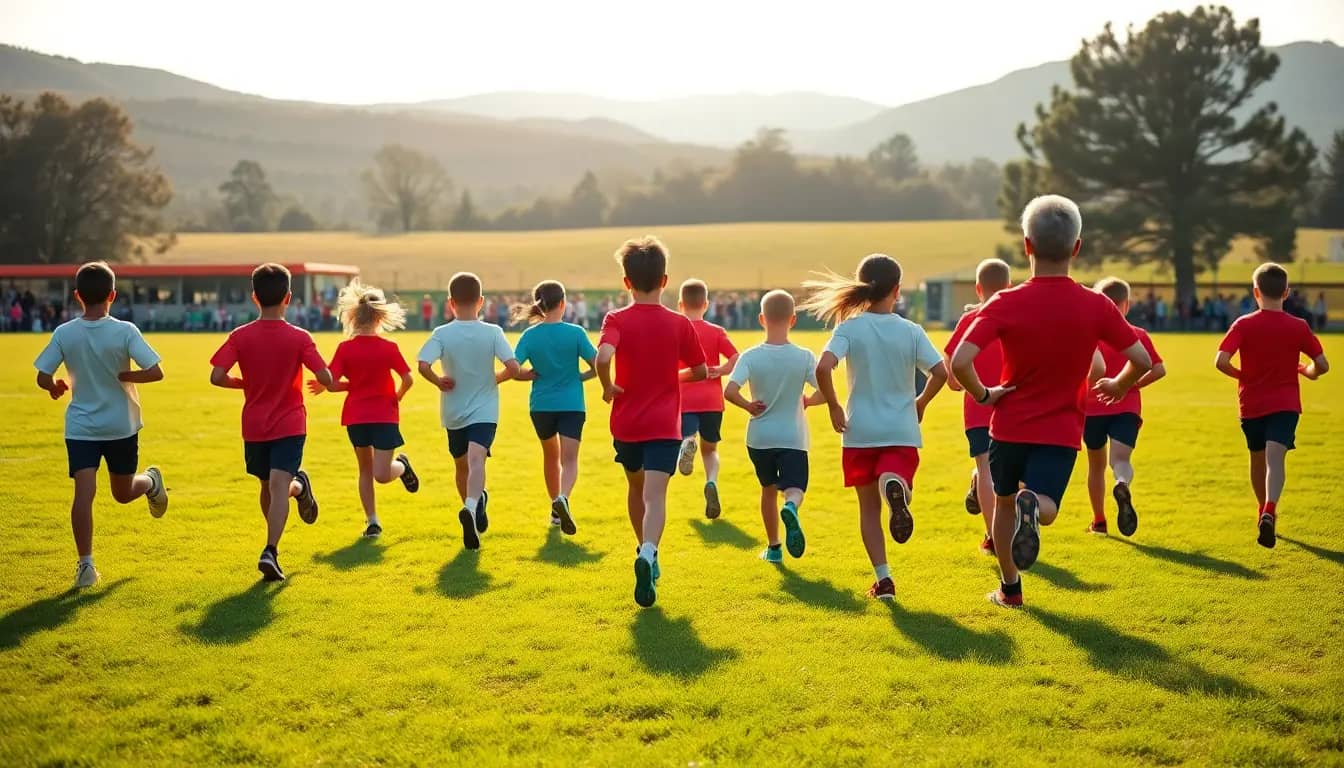
Cross-country season is starting and the school garden's pea and bean patch is flowering. Runners want to know why they puff and what to eat before a race. The garden team wants to know why the bees and birds matter, and why seeds saved from last year's plants did not all grow up looking the same. Your class will investigate the body systems that keep you going and the way plants and animals pass on their traits, then build a hands-on 'Life Keeps Going' display.
Every minute your body is digesting, breathing and delivering fuel and oxygen to around 30 trillion cells. Knowing how those systems work helps you look after yourself: why you need fibre and water, why your breathing speeds up, why fitness training works. And every living thing you see is the result of traits passed on through generations. Farmers, gardeners, pet breeders and conservation scientists in Aotearoa use this every day, from breeding new kiwifruit and apple varieties to keeping enough variety in kākāpō so the species stays healthy.
Your first step
Count your breaths for one minute sitting still. Then jog on the spot for two minutes and count again. Write down what changed and one question about why.
Make it yours
Choose a context
Same big question, three different places to explore it. Pick the one that fits your class and community.
The sports field and cross-country season
Use your own training as the experiment: breathing rate, pulse and recovery time before and after a run, lung volume, and what runners eat and drink. Link breathing (air in and out), gas exchange (oxygen into the blood) and cellular respiration (energy released in every cell). Keep all personal data private: record class averages, never compare individuals.
The school garden: peas, beans and pollinators
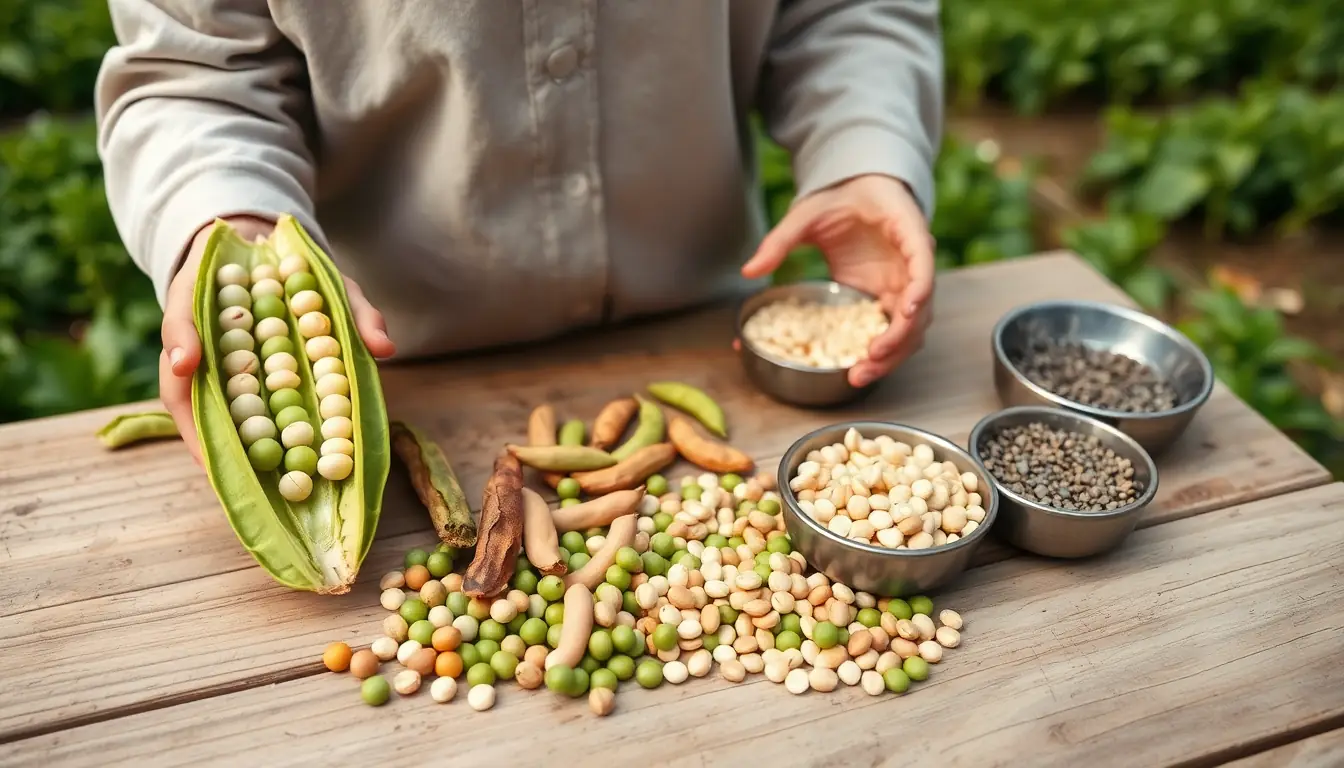
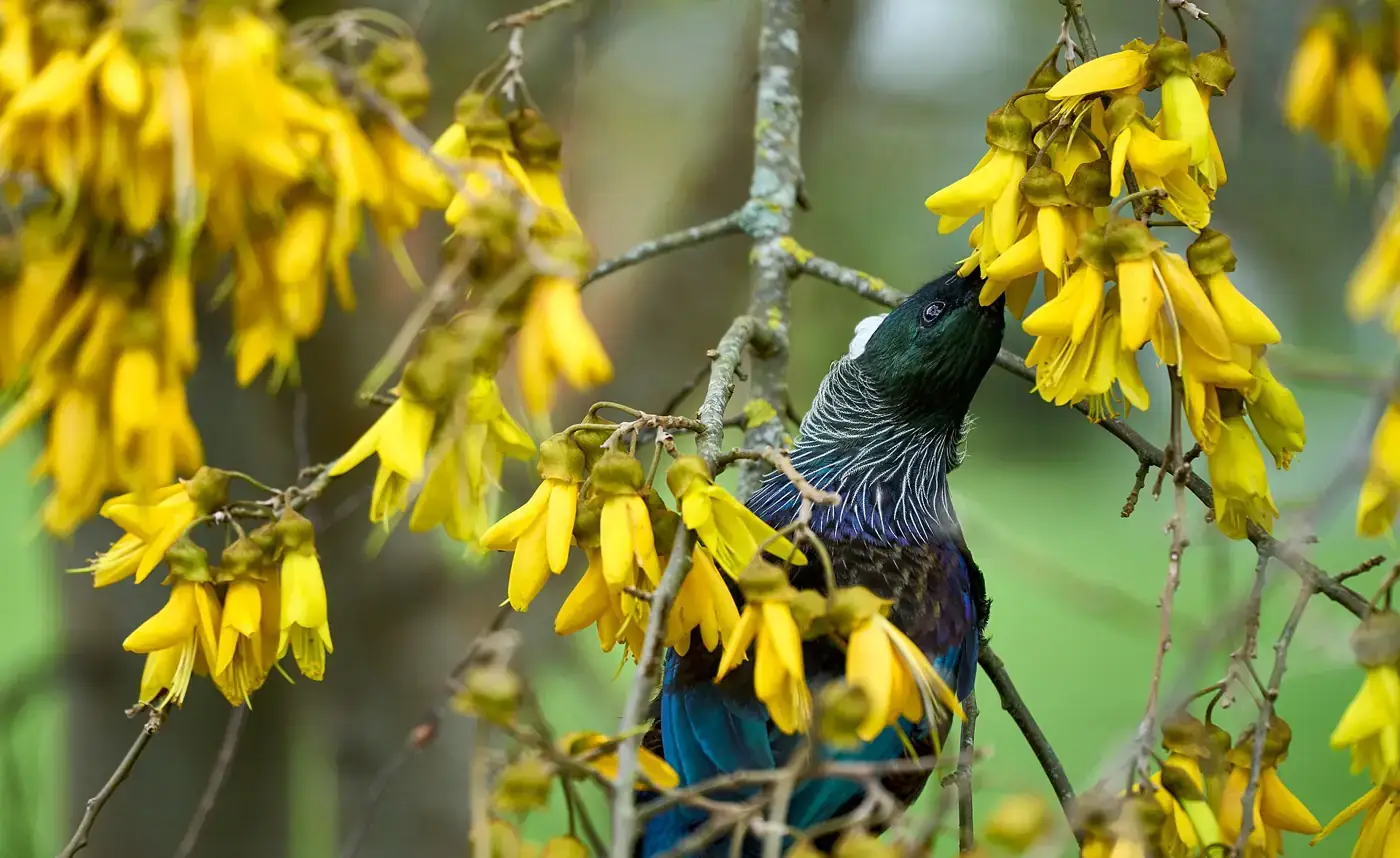
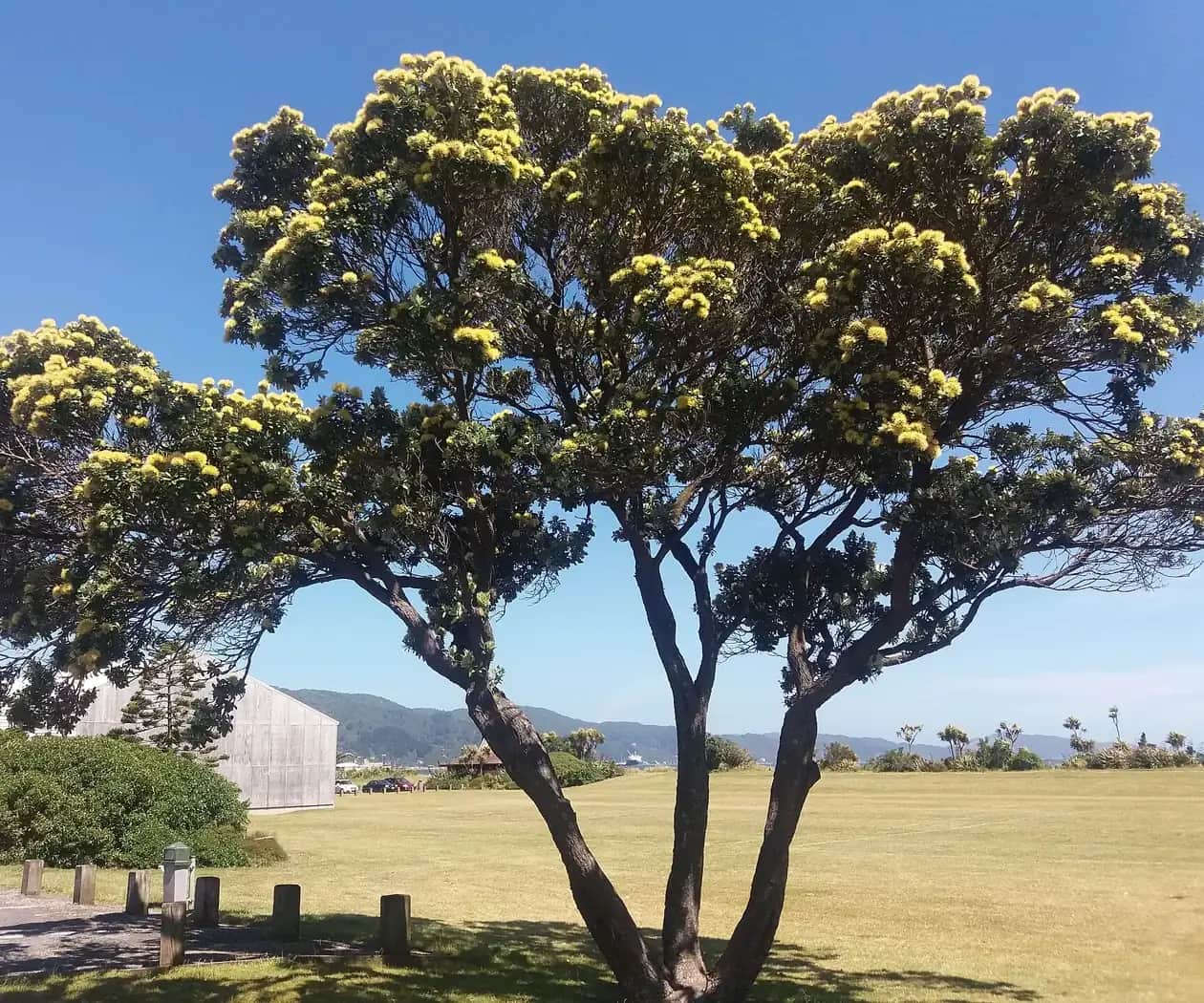
Grow or buy peas, beans and flowers to dissect. Watch bees, tūī and other visitors at flowers, find pollen under a microscope, count pea traits the way Gregor Mendel did, and test how native seeds like kōwhai, harakeke and pōhutukawa get around. Good for any school with a garden bed, planter boxes or a nearby park.
Pets, farms and the A&P show
Look at inherited traits in animals and crops people care about: coat colour in cats and dogs, horns in cattle, fleece colour in sheep, fruit size in kiwifruit. Visit or research a local agricultural and pastoral (A&P) show or a breeder, and ask how they choose which animals or plants to breed. Great for rural classes and anyone with a pet at home.
VOICE
Week by week
Two sessions a week, each with Getting started and Stretch support so the whole class works together.
- W1What keeps a living thing going, and what does it pass on?Validate the Problem: The runners and the garden · Observe: Pulse, breath and recovery
- W2Looking closely: lungs, flowers and traitsObserve: Flower detectives and pea counters · Investigate: How do lungs fill?
- W3Following a meal: digestion and enzymesInvestigate: Digestion in a bag · Investigate: The kiwifruit and jelly test
- W4Passing it on: inheritance, variation and seedsInvestigate: Jelly results, variation and seed journeys · Create Conclusions: Making sense of traits and body systems
- W5Build and share the 'Life Keeps Going' displayCreate Conclusions: Build the three stations · Evaluate: Open day and review
Hands-on
Activities
Investigations and projects that fit the weeks above. Open one to see what you need and how you'll know it worked.
Pulse and breath recoveryHow quickly do your breathing and heart rate return to normal after exercise?Open
You need: a stopwatch · a class recording sheet with no names · an open space
- Sit still for two minutes. Count breaths for one minute and pulse for 15 seconds (multiply by 4).
- Run or jog steadily for three minutes.
- Immediately record breaths and pulse, then again every minute for five minutes.
- Add your numbers to the class sheet under a code, not your name.
- Plot the class average for each minute and describe the curve.
How you'll know: The graph rises steeply after exercise and falls back over a few minutes, and you can explain that muscle cells needed more oxygen for respiration.
Safety: Warm up first. Anyone with asthma or a health condition chooses their own level and keeps medication nearby. Stop if you feel dizzy.
Go further: Compare a walk, a jog and a sprint. Does recovery take longer after harder exercise?
Fits week 1 →Same seeds, different livesWhich differences between plants are inherited and which come from their environment?Open
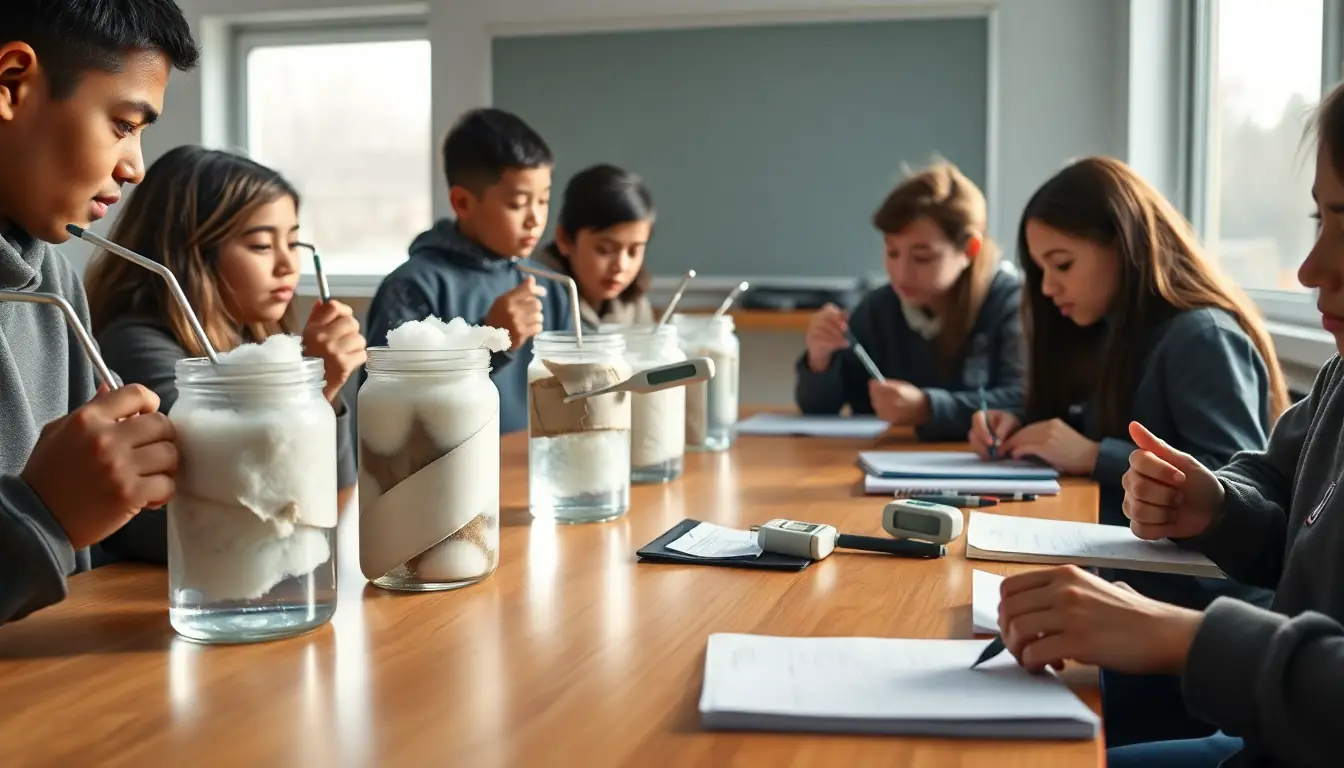
You need: cress or mung bean seeds from one packet · 4 small trays or pots · cotton wool or potting mix · a dark cupboard · a ruler
- Plant the same number of seeds from one packet in each tray.
- Put one tray in light and watered, one in the dark and watered, one in light with little water, and one in light with plenty of water and some compost.
- Measure the height of 10 seedlings in each tray every few days for three weeks.
- Note colour, leaf size and stem thickness.
- Decide: the seeds were closely related, so what caused the differences you see?
How you'll know: The dark tray's seedlings are tall, thin and pale, showing that the environment changes how inherited instructions show up.
Go further: Add a tray of a different cress variety grown in the same conditions. Now which differences are inherited?
Fits week 1 →Bottle lung modelHow does the diaphragm make air move into your lungs?Open
You need: a clear plastic bottle with the bottom cut off · 2 small balloons · a Y-shaped straw or two straws · plasticine · a large balloon or rubber glove · a rubber band
- Attach the two small balloons to the straws (the bronchi) and push them into the bottle neck, sealing with plasticine.
- Stretch the large balloon or glove across the cut bottom and fix it with a rubber band. This is the diaphragm.
- Pull the diaphragm down gently and watch the lungs.
- Push it up and watch again.
- Explain what happened using the words volume and pressure.
How you'll know: When the diaphragm pulls down, the space inside gets bigger, pressure drops and air rushes in to fill the balloons.
Safety: The teacher cuts the bottle; cover sharp edges with tape.
Go further: Which part of your body does the model leave out? Add ribs with card strips and explain how rib muscles help.
Fits week 2 →How big are your lungs?How much air can you breathe out in one big breath?Open
You need: a 2 L or larger plastic bottle marked every 100 mL · a tub or sink of water · plastic tubing · a clean mouthpiece or straw for each person · a recording sheet with codes, not names
- Fill the bottle with water, cap it, turn it upside down in the tub and remove the cap under water.
- Slide one end of the tubing up into the bottle.
- Take the biggest breath you can and breathe out through your own mouthpiece into the tube in one long breath.
- Read how much water was pushed out. That is your breath volume.
- Repeat three times and use the middle result.
How you'll know: You have a repeatable measurement and can explain why it varies between tries.
Safety: Breathe out only; never suck on the tube. Each person uses a new mouthpiece. Stop if you feel light-headed. Wipe up spills.
Go further: Does breath volume change after exercise, or when you sit versus stand? Plan a fair test.
Fits week 2 →Flower detectivesWhich parts of a flower make seeds happen?Open
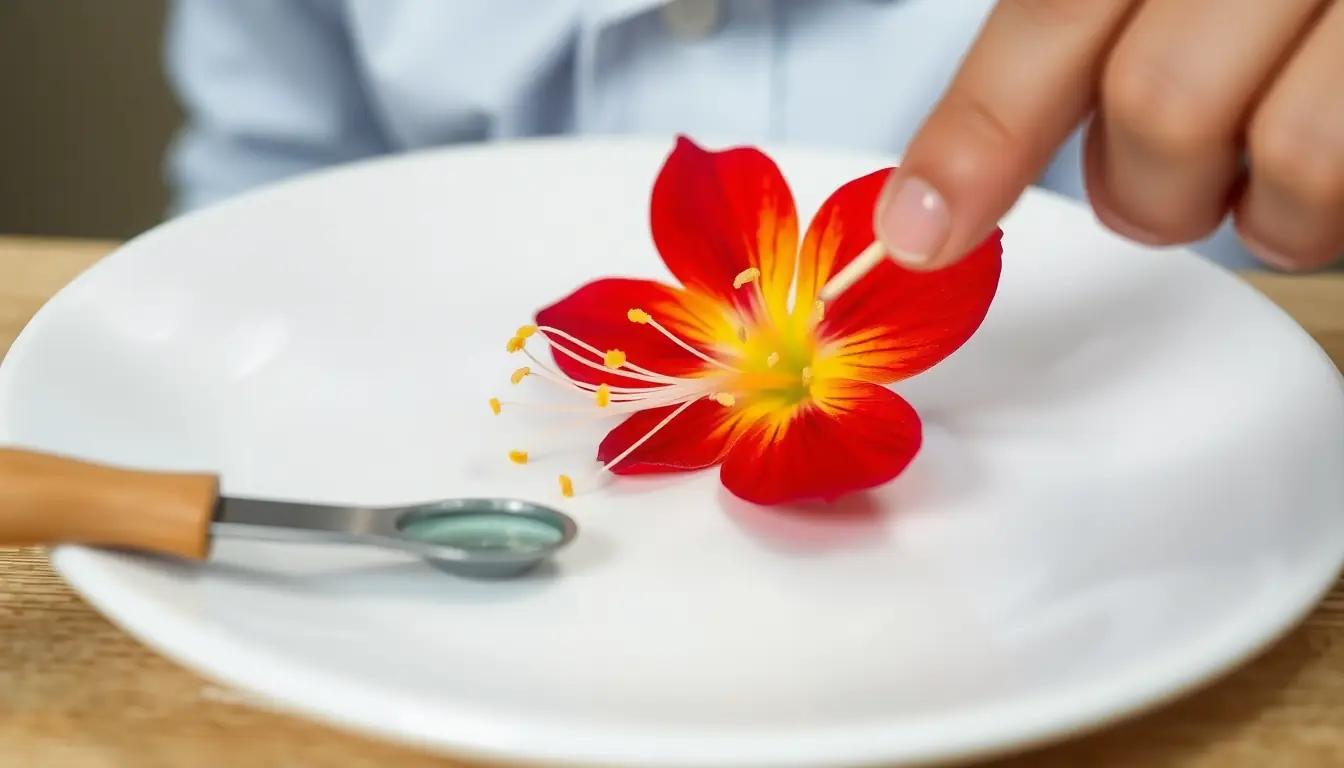
You need: large flowers (hibiscus, alstroemeria, gladiolus, lily or kōwhai if fallen blooms are available) · a chopping board and round-ended knife · tweezers · a hand lens · a microscope and slide · sticky tape and card · gloves
- Remove the sepals and petals one at a time and tape them to the card.
- Find the stamens. Each has a stalk (filament) and a pollen bag (anther). Tape one down.
- Find the pistil in the centre: sticky stigma, the style below it, and the swollen ovary at the base.
- Cut the ovary across and look for the tiny ovules with a hand lens. These can become seeds.
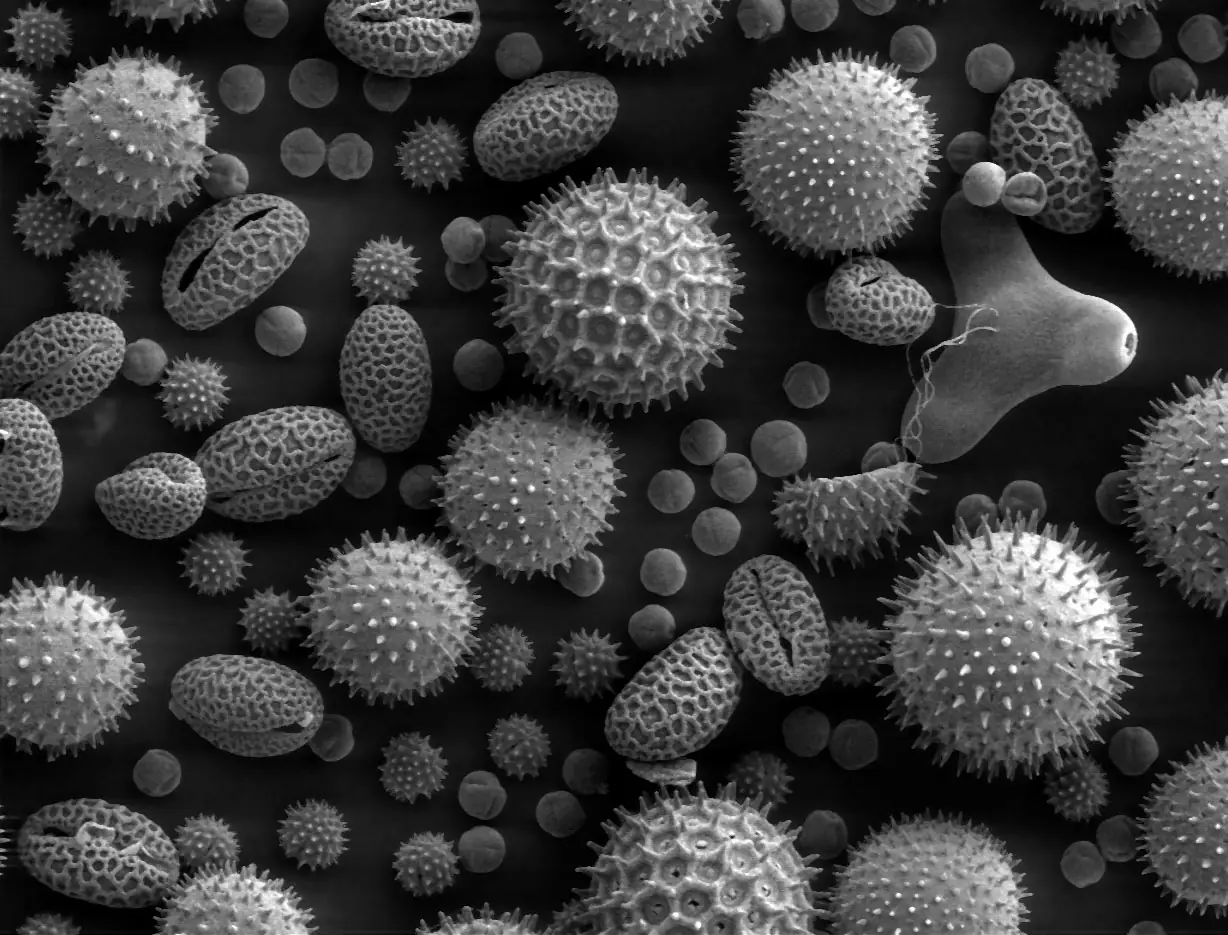
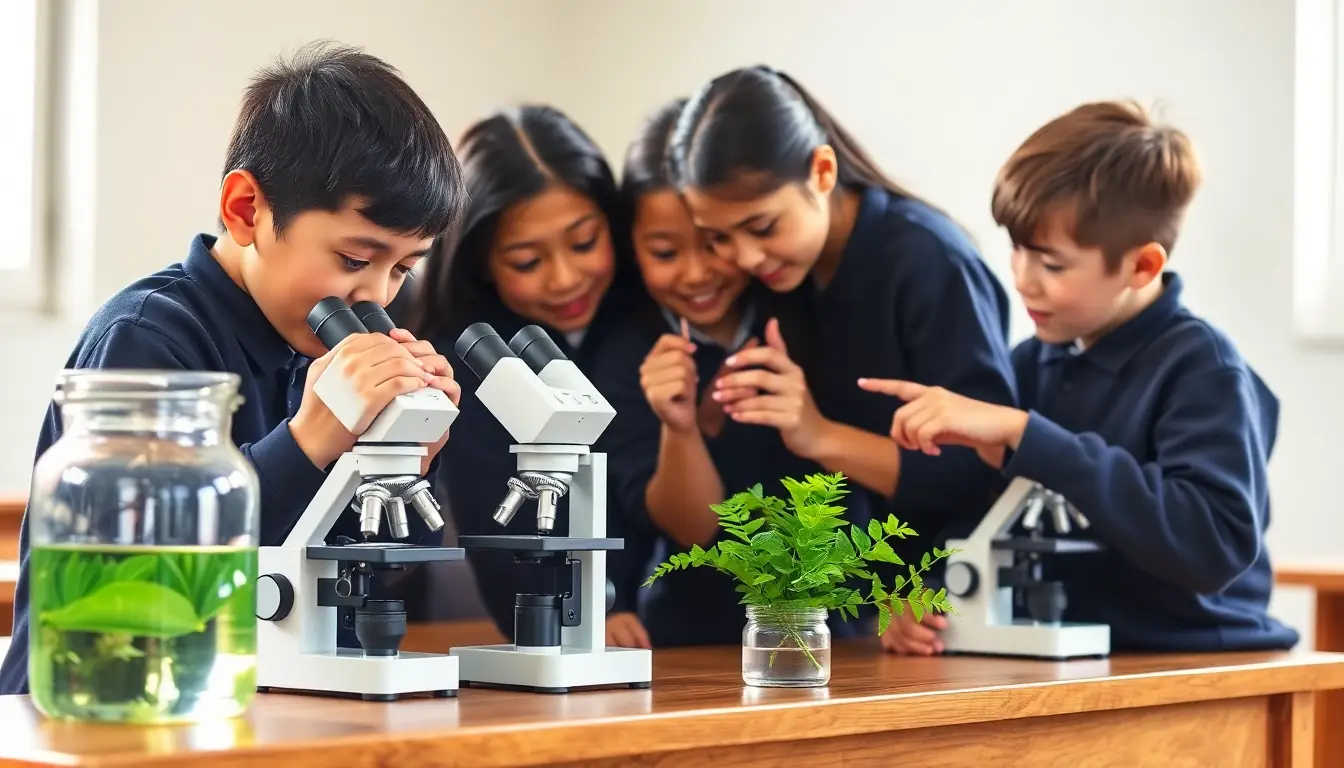
- Tap pollen onto a slide and draw two grains under the microscope.
How you'll know: Your card shows every part, labelled, and you can explain the path pollen takes to reach an ovule.
Safety: Wear gloves for lily pollen, which stains. Keep lilies away from cats. Knives stay on the board.
Go further: Compare an insect-pollinated flower with a wind-pollinated grass flower. How is each shaped for its job?
Fits week 2 →Digestion in a bagWhat happens to food on its journey through your body?Open
You need: a zip-lock bag · 2 crackers · half a banana · water · orange juice · an old stocking or pantyhose leg · a cup · scissors · gloves
- Crush the crackers and banana in the bag with your hands: that is your teeth doing mechanical digestion.
- Add a splash of water for saliva and a splash of orange juice for stomach acid. Seal and squish for two minutes: that is stomach churning.
- Cut a corner off the bag and squeeze the mush into the stocking held over a cup: the small intestine.
- Squeeze gently. The liquid in the cup stands for nutrients absorbed into the blood.
- What is left in the stocking goes on to the large intestine, where water is taken back.
How you'll know: You can name each organ the model stands for and say which steps are mechanical and which are chemical.
Safety: Check allergies first. Gloves on. Do not taste. Wash up and bin the waste.
Go further: Where do the liver and pancreas fit in? Add them to your model and explain what bile and pancreatic juices do.
Fits week 3 →The kiwifruit and jelly testCan an enzyme from kiwifruit digest protein?Open
You need: jelly crystals · hot water (teacher-poured) · clear plastic cups · fresh green kiwifruit · canned or boiled kiwifruit or pineapple · a spoon and chopping board · a fridge · gloves
- The teacher makes the jelly and pours equal amounts into five cups once it has cooled a little.
- Add a spoonful of mashed fresh kiwifruit to cup 1, boiled kiwifruit to cup 2 and canned fruit to cup 3. Cup 4 gets nothing (control). Cup 5 gets fresh kiwifruit added after the jelly has set.
- Label and refrigerate overnight.
- Tip each cup gently and record which set firmly, which are soft and which are runny.
- Explain the results using the words enzyme, protein and heat.
How you'll know: Fresh kiwifruit stops the jelly setting because its enzyme breaks down the protein gelatine; heating destroys the enzyme, so boiled and canned fruit let it set.
Safety: Check kiwifruit and pineapple allergies. Gloves on, as the fruit can sting skin. The teacher handles hot water. Do not eat the jelly.
Go further: Test gold kiwifruit, pawpaw or fresh ginger. Which have the strongest protein-digesting enzymes?
Fits week 3 →Pea traits and Mendel's beadsWhy can a trait disappear in one generation and come back in the next?Open
You need: a bag of dried peas of mixed colour or shape, or fresh pods · green and yellow beads or counters · two paper cups · a tally sheet
- Sort 100 peas into yellow and green (or round and wrinkled) and tally them.
- Model Mendel's cross: each pea plant carries two factors. A pure yellow parent is YY and a pure green parent is gg.
- Put one bead from each parent into a cup to make the first generation. They are all Yg and look yellow, because yellow is dominant.
- Now cross two Yg plants: each parent cup holds one Y and one g bead. Draw one from each cup 40 times and record the pairs.
- Count how many look yellow and how many green. Compare with Mendel's 3 to 1 ratio and your real peas.
How you'll know: About one in four of your bead pairs are gg (green), showing how a hidden factor can reappear in the grandchildren.
Go further: Look up the seven pea traits Mendel studied and predict which trait was dominant in each pair.
Fits week 4 →Seed journey challengeHow do seeds travel away from the parent plant?Open
You need: a desk fan · paper spinners you make · fluffy seeds such as dandelion or toetoe · fleshy fruits · burrs or hooked seeds · a few kōwhai seeds · a jug of salt water · a tape measure · gloves
- Drop each seed or spinner from the same height in front of the fan on low. Measure how far it lands.
- Repeat each five times and find the median distance.
- Drop kōwhai seeds into salt water and check whether they are still floating after a day.
- Brush hooked seeds against a wool jersey. Do they stick?
- Sort the seeds by method: wind, water, animals, or bursting.
How you'll know: You can match each seed's shape to how it travels, using your measurements as evidence.
Safety: Kōwhai seeds are poisonous: gloves on, no eating, wash hands afterwards. Collect only fallen seeds and fruit.
Go further: Design a paper spinner that stays in the air longest and explain why it works, then find a native seed with a similar shape.
Fits week 4 →Look closer
From the real world
Background reading
Read to understand
Short readings written for Kōkiri Learn students, with their sources.
- From kai to cells: the journey of a mealYour digestive system breaks food into tiny pieces your blood can carry to every cell, using teeth, muscles, acid and enzymes.
- Breathing, gas exchange and respiration: three different jobsBreathing moves air, gas exchange swaps oxygen and carbon dioxide with the blood, and respiration releases energy inside every cell.
- Passing it on: traits, peas and flowersLiving things pass instructions to their offspring in DNA. Flowers are how many plants mix those instructions, which is why no two seedlings are quite the same.
Trusted NZ sites
Explore more
Placed at the stage of the journey where each one helps.
Validate the Problem
Body systems ↗Science Learning Hub
How the systems of the body work together, to frame your questions.
Observe
Pollination ↗Science Learning Hub
Flower parts and how bees, birds and wind move pollen, with NZ examples.
Observe
Obtaining oxygen ↗Science Learning Hub
A clear diagram of how oxygen gets from the air to your cells.
Investigate
The human digestive system ↗Science Learning Hub
Each organ and its job, to check your digestion model against.
Investigate
Fruit enzyme uses ↗Science Learning Hub
Why kiwifruit and pineapple stop jelly setting, and how enzymes are used in food.
Investigate
Seed dispersal ↗Science Learning Hub
Wind, water, animals and explosions: how seeds travel, including native ones.
Create Conclusions
Mendel's experiments ↗Science Learning Hub
What Mendel did with his peas and what his counts showed.
Evaluate
Genotype and phenotype ↗Science Learning Hub
How inherited instructions and the environment work together, to test your cress conclusions.
Real audiences
- Whānau at a sports day or garden open day, trying the three stations
- A junior class who build their own mini lung model with your help
- The school garden team or a local seed-saving group, with advice on saving seed
Work with other schools
- Run the kiwifruit and jelly test at the same time as a partner school, each testing different fruits, and pool results in a shared table.
- Swap seed packets with a school in another region, grow them under the same conditions, and compare how the plants turn out.
- Hold a video call where each class presents its pea or bean trait counts, then combine the data to see whether the combined ratio gets closer to Mendel's.
Stretch challenges
- Investigate why kākāpō conservation scientists track the DNA of every bird, and why low variety in the population is a risk.
- Find out how Plant & Food Research breeds new kiwifruit or apple varieties by cross-pollinating chosen parents.
- Build a model of villi from a towel and a flat sheet of paper to show how folding increases surface area for absorption.
- Compare gas exchange in a fish's gills with your lungs, and explain why a fish dies out of water even though air has more oxygen.
- Grow your own peas from seed, cross-pollinate two plants with a paintbrush, and save the seeds to see what grows next season.
New Zealand Curriculum
What this world covers
Mapped to the refreshed Phase 3 statements. The whole class covers both the Year 7 and Year 8 sequences over two years.
Science · Biological Science
Digestive system: mechanical and chemical digestion, key organs, enzymes, villi and peristalsis, gut bacteria and a balanced diet; gas exchange in lungs and leaves and its link to cellular respiration
Year 8 sequence
Science · Biological Science
Genetic material and inheritance: gametes, chromosomes and DNA, Mendel's pea experiments, and variation within a species
Year 8 sequence
Science · Biological Science
Reproductive structures in flowering plants: anthers, stigma, style, ovary and pollen; pollination, fertilisation, seed and fruit formation, dispersal and germination
Year 8 sequence
Science · Science practices
Investigating enzymes with a model experiment, measuring lung volume, and testing seed dispersal distance, then interpreting patterns in data
Year 8 sequence
Mathematics and Statistics · Statistics
Ratios and proportions in trait counts, and comparing distributions of seed size and dispersal distance
Year 8 sequence
Health and Physical Education · Health: bodies and minds
Links to the health programme, where puberty and human reproduction are taught, and to what the body needs from food and activity
Year 8 sequence
For teachers: how to run it
This world covers the Phase 3 Year 8 biological science content on the digestive system (mechanical and chemical digestion, key organs, enzymes, villi, gut bacteria, a healthy diet), gas exchange (the respiratory system, breathing as pressure and volume change, alveoli and capillaries, stomata in leaves, and the link to cellular respiration), genetic material and inheritance (gametes, chromosomes, DNA, Mendel's peas, inherited variation) and flowering-plant reproduction (flower structures, pollination, fertilisation, seed and fruit formation, dispersal and germination). Human reproduction, puberty, the menstrual cycle and hormones sit in the same curriculum section but are taught through your school's consulted health and relationships programme; do not teach them here, and tell students where and when they will learn about them. When comparing reproduction in plants and humans, keep to the plant side and name only the general idea that animals, including people, also make gametes. Inheritance: use plants, pets, farm animals and simulations, not surveys of students' own families. Family structures vary (adoption, whāngai, blended families, donor conception) and personal trait surveys can expose private information, so never ask students to compare themselves with their parents. Prep: pea and bean seed packets (include wrinkled and round, green and yellow varieties if you can), fresh pea pods, large flowers for dissection (hibiscus, lily with anthers removed, alstroemeria, gladiolus or harakeke; lilies are poisonous to cats, so keep them at school), hand lenses, a microscope for pollen, plastic bottles, balloons, a rubber glove, 2 L bottles and a tub for lung volume, plastic tubing with a clean mouthpiece per student, stopwatches, zip-lock bags, crackers, bananas, orange juice, an old stocking, jelly crystals, fresh and canned kiwifruit and pineapple, cress or mung bean seeds. Safety: food allergies and intolerances (kiwifruit, pineapple, wheat, nuts) must be checked before any food activity; do not eat or taste lab food. Kiwifruit and pineapple can sting skin, so use gloves. Lung volume: each student uses their own clean mouthpiece and breathes out only; nobody breathes in through the tube; stop if dizzy. Exercise: warm up, allow students with asthma or medical conditions to choose their level and keep inhalers nearby. Kōwhai seeds are poisonous: handle them, don't eat them, wash hands afterwards. Hot water for jelly is teacher-poured. Wellbeing and privacy: breathing, pulse and lung data are recorded anonymously and shown only as class ranges or averages; no rankings or comparisons of bodies. Diet discussions stay on what the body needs, never on weight or 'good' and 'bad' foods. Mātauranga: invite mana whenua or local growers through your school's own relationships if you want to include traditional seed-keeping (for example of kūmara or taewa varieties); do not invent practices. Differentiation: labelled organ diagrams with blanks, a trait tally sheet, sentence starters for claim-evidence-reasoning; stretch students use Punnett squares, calculate ratios and percentages, and graph dispersal distances. Kōkiri Lab link: the Regenerative Systems & Living world goes deeper into plant reproduction, pollination and soil life, and Evolution & Adaptation picks up where the inheritance section ends.
Plan this world into any term with the two-year planner. Students can record their thinking in their Kōkiri Learn portfolio.
More Science worlds

Ready to run it with your class?
Free trial for NZ schools. One combined Years 7–8 class, any term.