
English · Years 7–8 · AUTHOR
Think like an author
Read like a writer, write for a real audience.
8 inquiry worlds · 57 hands-on activities · 26 readings
Choose your world
8 English worlds to explore
Each world is a full inquiry: a real question, week-by-week sessions, hands-on activities, readings and a real audience. The whole class works on the same world, in any term.
 4 weeksVoices That Move UsWords can change minds. Pick something that matters to you and persuade a real audience to think again, or to act.Explore this world →
 5 weeksCrafting the ArgumentOpinions are easy. Arguments hold up. Research an issue, face the other side and send a submission that decision-makers read.Explore this world →
 5 weeksStories That Shape UsGet lost in a great novel, work out how the author did it, then write a story that grips a real reader.Explore this world →
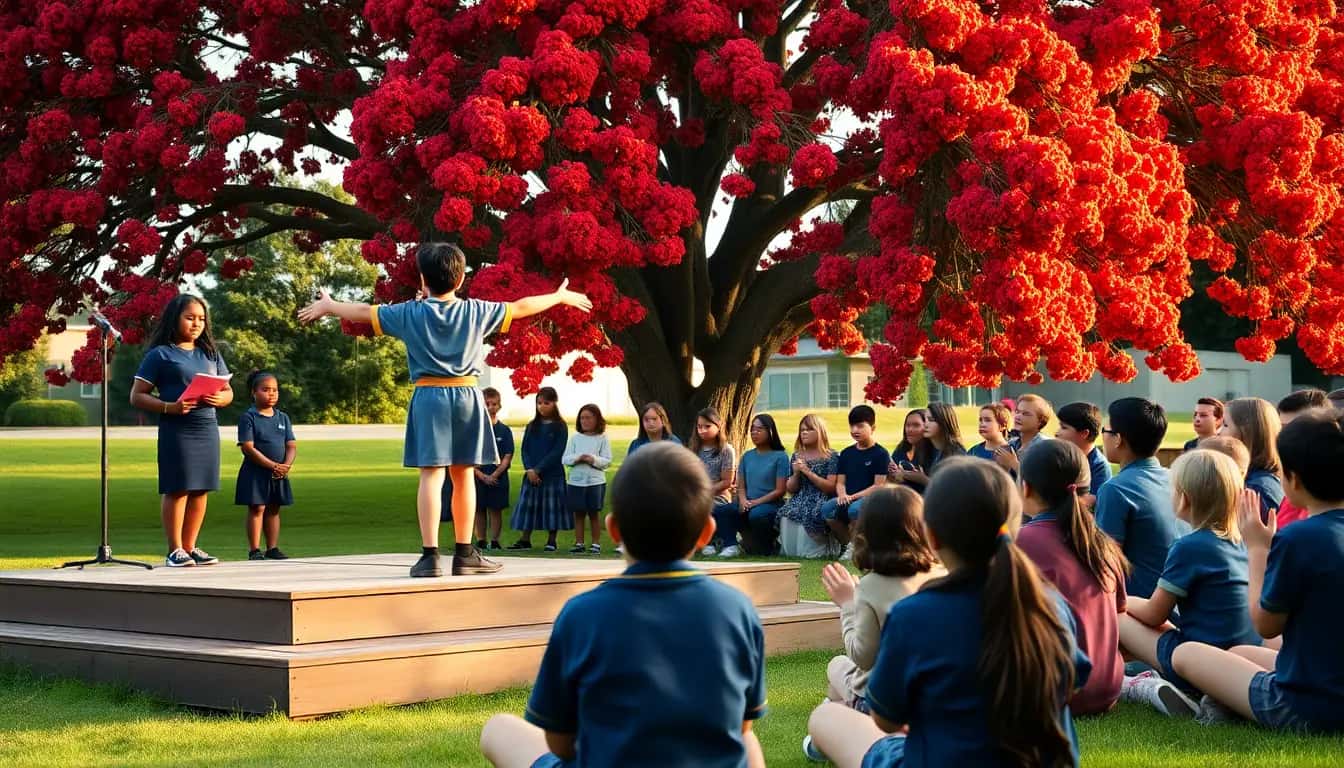 5 weeksWord Weavers: Poetry and PerformanceRead poems out loud, steal a poet's tricks, write your own and perform it live at a class poetry café.Explore this world →
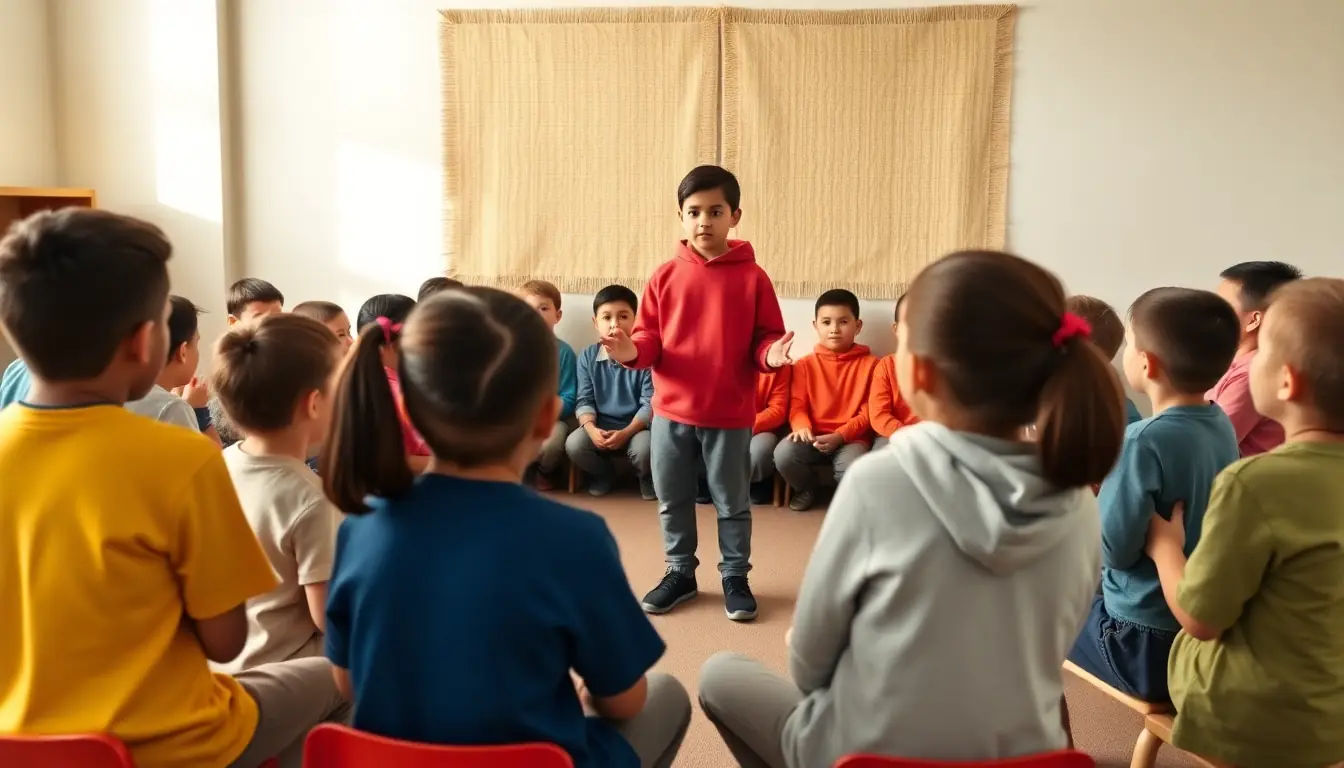 5 weeksSpeak Up: Speeches, Podcasts and PepehaHook them, move them, prove it, leave them thinking. Build a three-minute speech, record a podcast and stand tall to introduce yourself.Explore this world →
 5 weeksFact or Fake? Media and Digital LiteracyDecode ads, camera tricks and viral posts, then make a short media piece that helps younger kids spot the difference.Explore this world →
 5 weeksExplain It: Non-fiction and Feature WritingBecome the class expert on something real nearby, then explain it so clearly that anyone could get it, graphs and all.Explore this world →
 5 weeksWorlds Beyond: Science Fiction and the FutureBuild a world that doesn't exist yet, set a story in it, and use it to ask a big question about our own.Explore this world →
Your journey: AUTHOR
Every English world moves through the same stages.
- Audience
- Understand
- Techniques
- Hear Voices
- Organise
- Respond
Background reading
Read to understand
Short readings from every world, written for Kōkiri Learn students.
- How persuasive speakers hook an audienceEight techniques you can spot, name and use, and when each one backfires.
- Fair or foul? The line between persuading and trickingGood persuasion gives people honest reasons. Tricks try to get round their thinking. Here's how to tell the difference.
- Petitions and marches: voices that changed AotearoaThree times ordinary New Zealanders used words, signatures and a clear message to change the country.
- Building an argument that holds upPosition, reasons, evidence, counter-argument, conclusion: how strong arguments are built, and why the other side belongs in yours.
- Can I trust it? Checking sources before you use themFive questions that sort solid evidence from shaky claims, and the trick fact-checkers use called lateral reading.
- Having your say: how submissions workCouncils and Parliament ask the public what they think before many decisions. Here's how a submission works and what makes one count.
- Reading between the lines: inference and characterAuthors rarely tell you everything. Here's how to work out what they are showing you, and prove it.
- How a story works: setting, plot and themeThe parts of a story, how tension keeps you reading, and how to find what a story is really about.
- An Aotearoa bookshelf: stories worth readingNovels and stories by Māori, Pasifika and Pākehā writers, classics that changed how we see ourselves, and a few from the wider world.
- What makes a poem?Poems squeeze big feelings into a few words using line breaks, images and sound. Here is how to spot what a poem is doing.
- The poet's toolkitA quick guide to the language features poets use, with examples from everyday life in Aotearoa.
- From page to stage: spoken word and slamPoetry began as something spoken aloud. Learn how performance poets use voice, pause and gesture, and meet some poets from Aotearoa.
- From hook to conclusion: building a three-minute speechSix paragraphs, one clear idea: the structure behind speeches that make people listen.
- Pepeha and mihi: introducing yourself in AotearoaWhat pepeha and mihi are, why they connect people to land and each other, and how to prepare one with respect.
- Podcasts and debates: talking with, not atHow podcasts sound like a conversation, how debates let people disagree fairly, and the listening roles that make both work.
- How media texts workEvery media text is made by someone, for someone, for a reason. Learn the key questions to ask about any ad, post or news story.
- Reading the camera: shots, angles and framingCamera choices make us feel things before any words are spoken. Learn the language of shots, angles, framing and colour.
- Ads and influencers: the art of persuasionAdvertisers use colour, music, famous faces and feelings to make products stick in our minds. Influencers are advertising too, and New Zealand has rules about it.
- Spot the fake: check before you shareMisinformation spreads fast because it grabs our feelings. Four quick checks can help you work out what's true.
- Report, explanation or feature?Non-fiction comes in different shapes. Learn how reports, explanations and feature articles are built, and when to use each.
- Hooks, headings and transitionsThe writer's tools that make non-fiction easy and enjoyable to read: strong leads, clear headings, linking words and precise vocabulary.
- Show it: graphs, diagrams and visualsThe right visual can explain in seconds what words take paragraphs to say. Learn which visual does which job, and how to caption it.
- Research and citing: find it, check it, credit itHow to find good information, check it's true, take notes in your own words and give credit to your sources.
- What if? How science fiction worksScience fiction starts with a 'what if' question and follows it to see what happens. Here's how it helps us think about real life.
- Nyari: The Voice in the TidesA short science fiction story about a thinking machine who lands on an ocean world and decides to change the creatures she finds there. Was she right?
- Building a worldWorldbuilding is designing the setting of your story: its places, rules, technology and people. Here is a toolkit to build one readers will believe in.
New Zealand Curriculum, Phase 3
What English asks for in Years 7–8
A summary of the refreshed teaching sequence. A combined class meets the Year 7 sequence in one year of the cycle and the Year 8 sequence in the other.
In effect from 2026 Official statement ↗
Oral language
Year 7 sequence
- Open questions that test assumptions
- Rhetorical devices and inclusive pronouns in speeches
- Roles in group discussion
- Culturally responsive oral structures (mihi, pepeha, whakataukī)
Year 8 sequence
- Speeches that consider the audience's emotional response
- Debates, monologues and podcasts
- Presenting counter-arguments with evidence
- Leading discussion when views differ
Reading
Year 7 sequence
- A novel, poetry and non-fiction each year
- Language features: repetition, hyperbole, rhetorical questions
- Visual features in media texts
- NZ texts reflecting our culture and history
Year 8 sequence
- Inferences across texts with explicit and implicit evidence
- Comparing and synthesising themes across texts
- Texts that blend forms and purposes
- How context shapes a text
Writing
Year 7 sequence
- Writing to inform, entertain and persuade
- Planning, drafting, revising and editing
- Varied sentence types; active and passive voice
- Complex punctuation and spelling
Year 8 sequence
- Research and planning before composing
- Transitions between ideas
- Conclusions that prompt reflection
- Using graphs and visuals in writing
Trusted NZ sites
Explore more
- Services to Schools ↗
National Library of New Zealand
Books, reading ideas and research help for NZ schools.
- NZ On Screen ↗
NZ On Air
New Zealand film and TV to study as texts.
Ready to run it with your class?
Free trial for NZ schools. One combined Years 7–8 class, any term.