
Science · Years 7–8 · VOICE
Think like a scientist
Gather evidence from the real world and explain what it shows.
8 inquiry worlds · 65 hands-on activities · 24 readings
Choose your world
8 Science worlds to explore
Each world is a full inquiry: a real question, week-by-week sessions, hands-on activities, readings and a real audience. The whole class works on the same world, in any term.
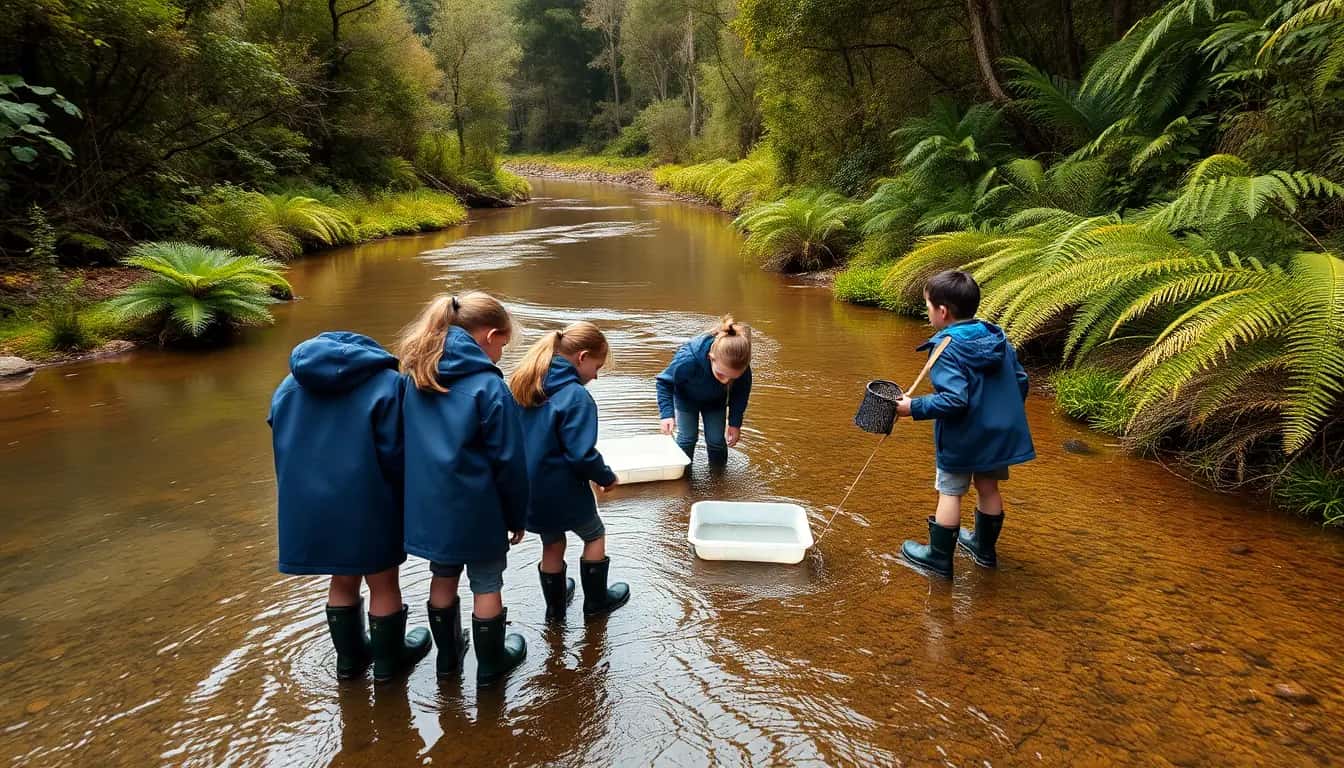 4 weeksNgā Tohu o te Taiao: Signs in Our EnvironmentMayfly larvae, midnight footprints and kina are clues. Read the signs your place is giving you, then back them with evidence.Explore this world →
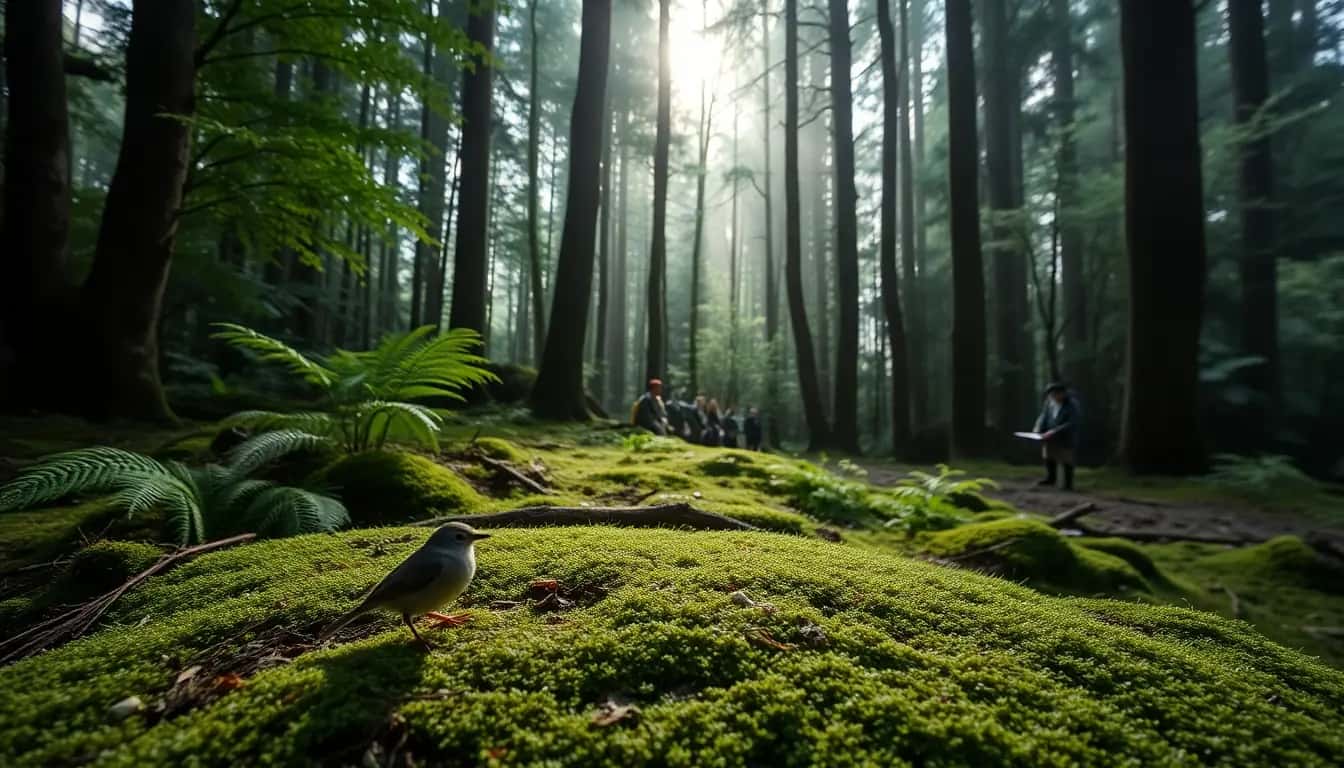 5 weeksTe Pūnaha Hauropi: Investigating Ecosystem ChangeRats, wasps, weeds and returning birds: find out what is really changing your local ecosystem, and which living things can keep up.Explore this world →
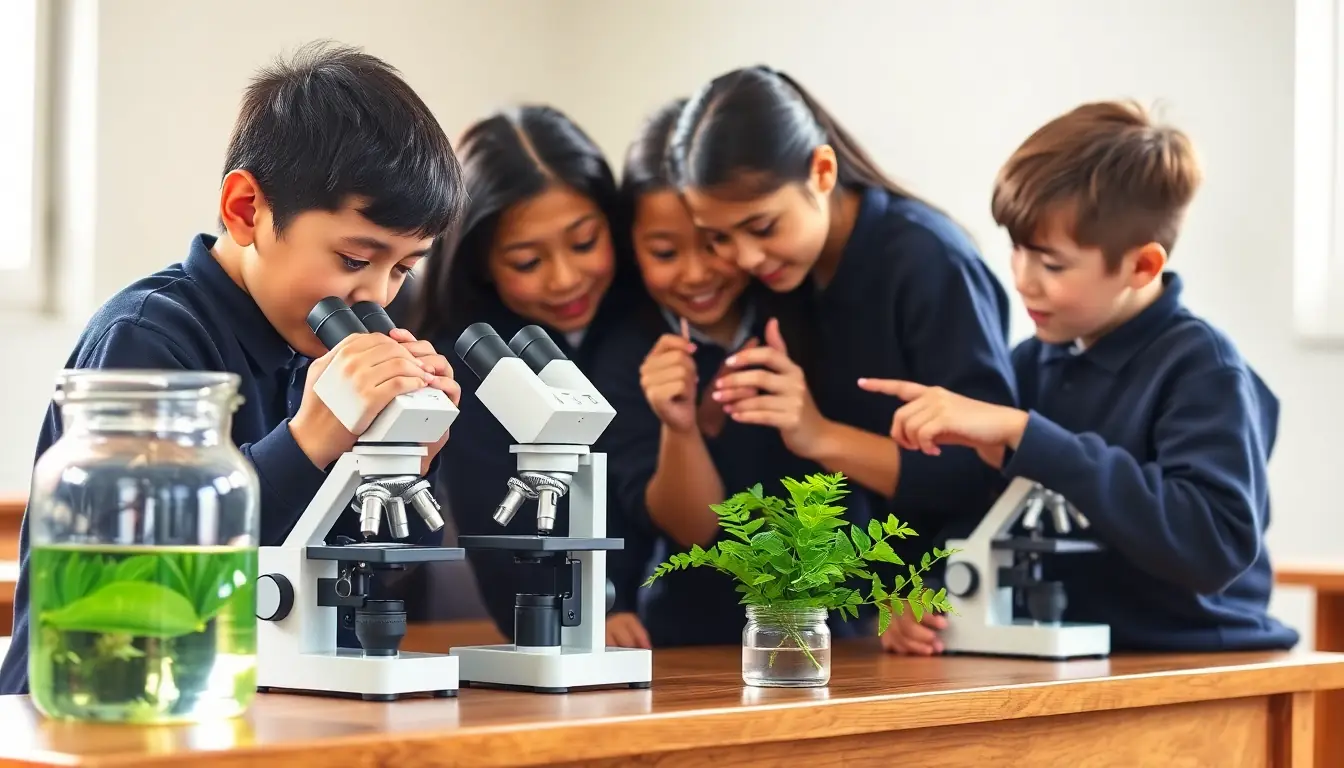 5 weeksThe Hidden World of CellsA drop of pond water is a crowded city. A teaspoon of soil holds more lives than there are people on Earth. Come and meet them.Explore this world →
 5 weeksFuel, Breath and Family TraitsWhere does your lunch go? Why do you puff on a hill? Why are no two peas in a pod the same? Your body and your garden hold the answers.Explore this world →
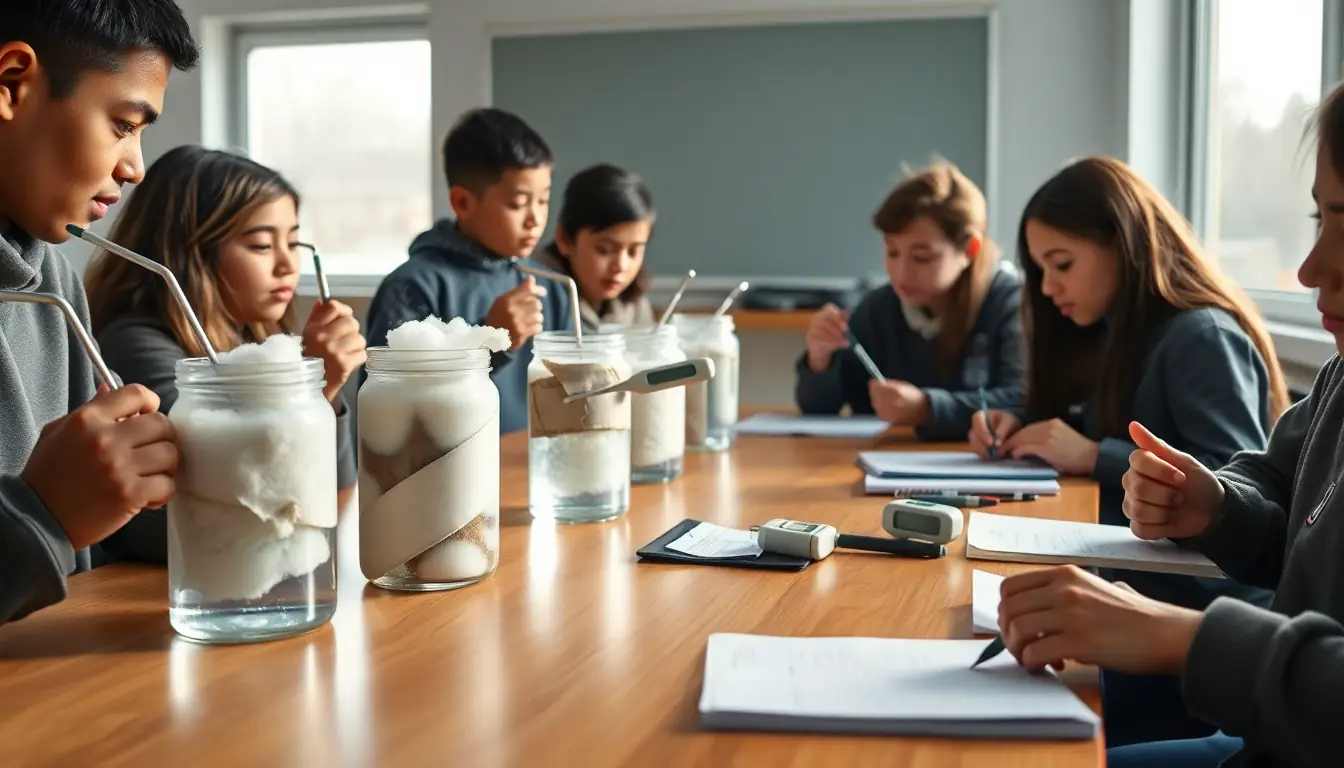 5 weeksMatter on the Move: Heat, Mixtures and ChangeWhy does a cold room stay cold, a hot drink go lukewarm and salt vanish in water? Follow the particles and find out.Explore this world →
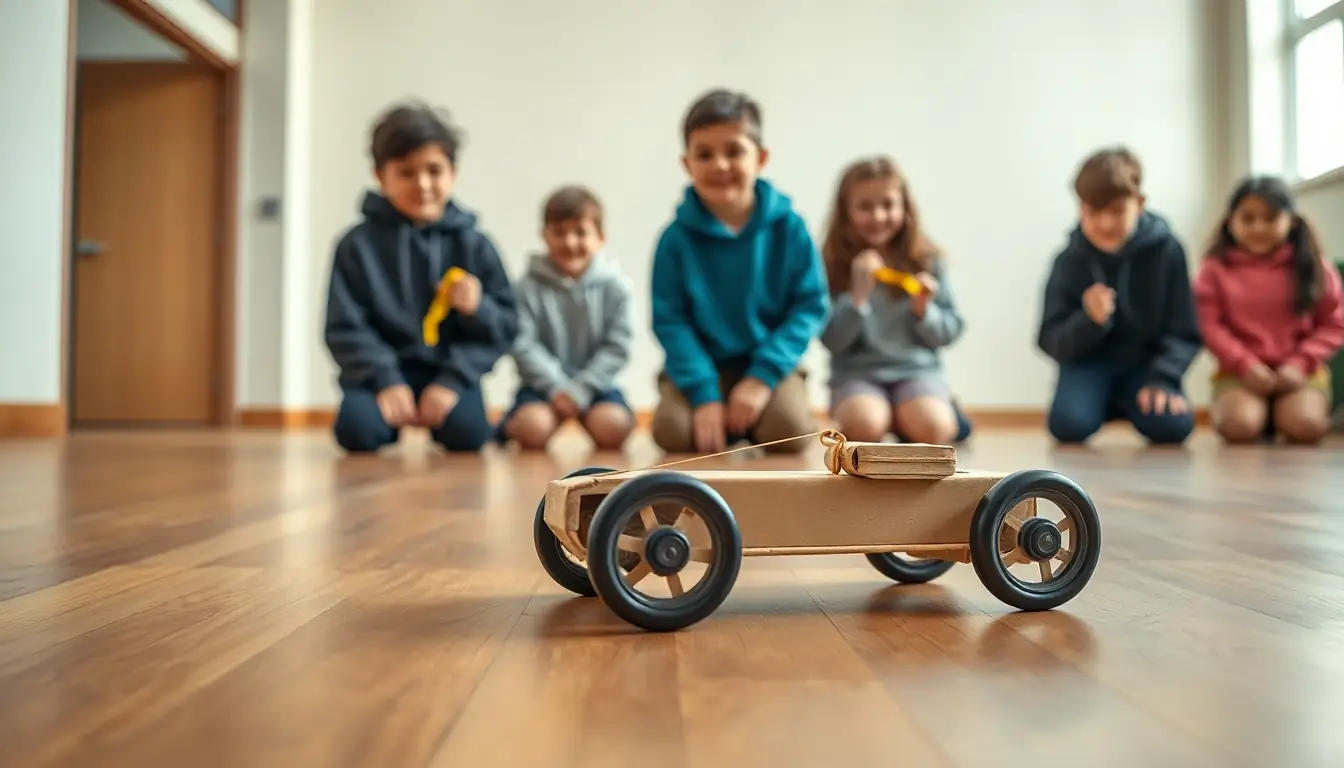 5 weeksPush, Pull and PressureWind it, launch it, measure it, change one thing. Build an elastic-band car and discover the forces that make it go and stop.Explore this world →
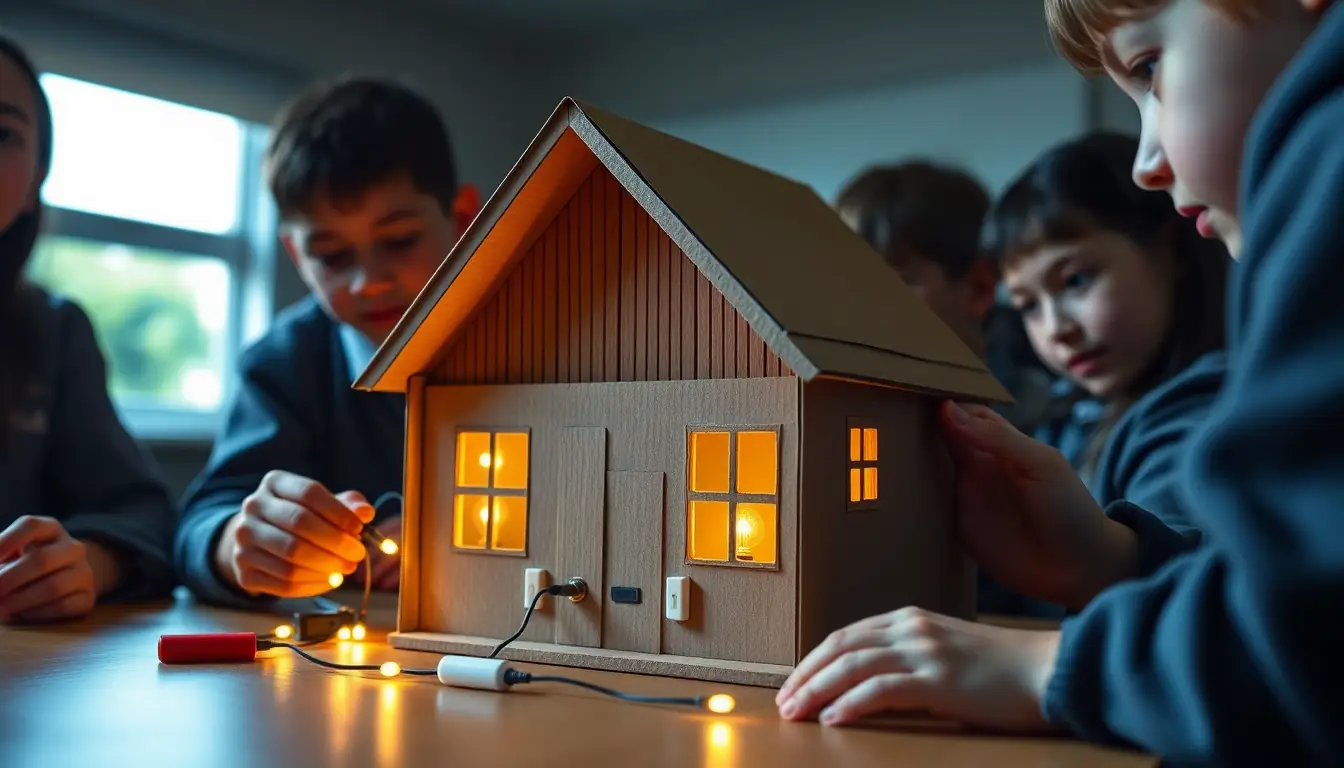 5 weeksSpark: Static and CircuitsMake paper jump, bend water with a balloon and light up a whare you built yourself. Follow the electrons and take control.Explore this world →
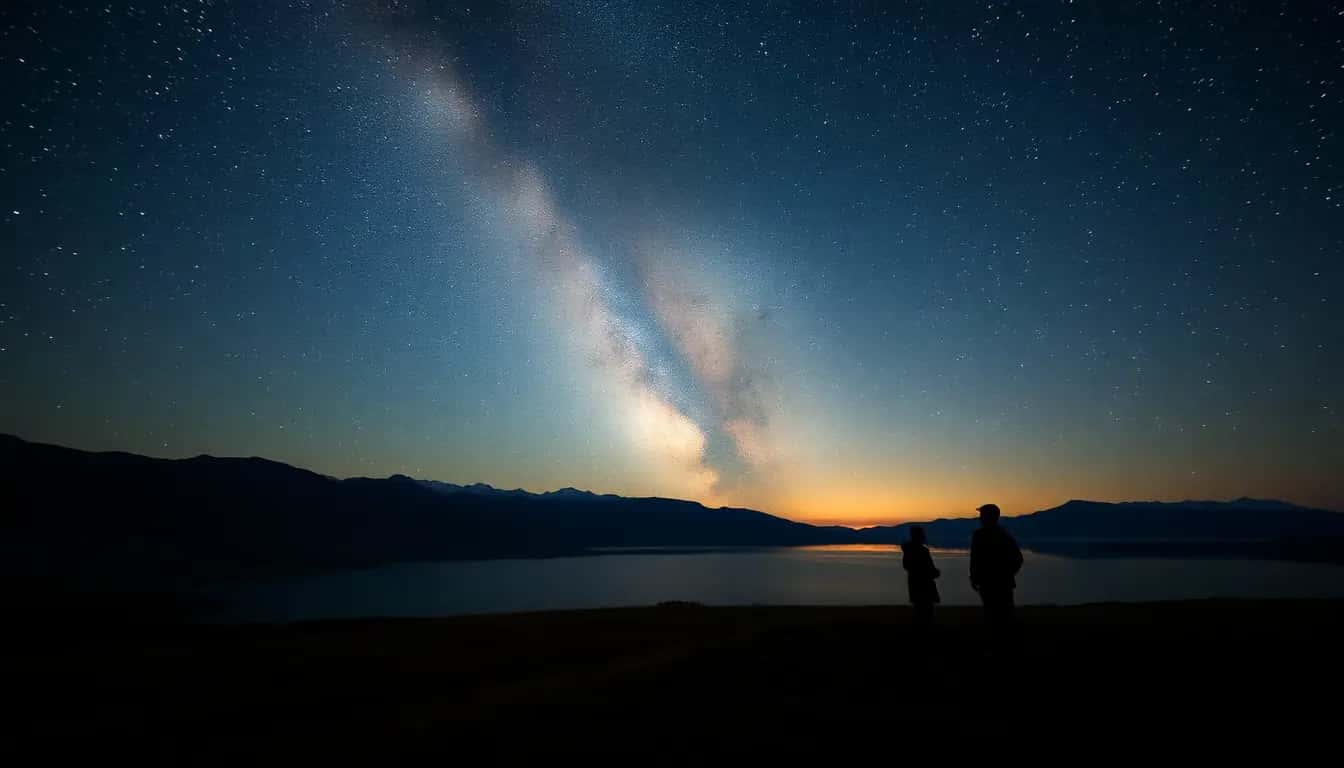 5 weeksRocks to Stars: Earth and SpaceCrack open a 2-million-year-old shell bed, shrink the Solar System onto your field and find Matariki before dawn.Explore this world →
Your journey: VOICE
Every Science world moves through the same stages.
- Validate the Problem
- Observe
- Investigate
- Create Conclusions
- Evaluate
Background reading
Read to understand
Short readings from every world, written for Kōkiri Learn students.
- What a stream can tell youStream creatures are living measuring instruments. Here is how to read them, and why one sample is never enough.
- Food chains: following the energyEvery food chain starts with the Sun, most of the energy is used up at each step, and decomposers keep the whole system going.
- Life between the tidesA rocky shore is sorted into bands by how long each part stays dry, and a missing predator can change a whole reef.
- Adaptation: how populations changeLiving things differ, some differences are inherited, and when the environment pushes, the useful ones spread through a population over many generations.
- The wasp problem at Bushy Park TarapuruhiA pest-proof fence brought native birds back to a Whanganui forest, but a smaller invader still threatens their food. Here is what the evidence says about stopping it.
- Many causes, one ecosystemPredators, weeds, wasps and people all push on an ecosystem at once. Here is how scientists pull the causes apart.
- Cells: the building blocks of lifeEvery living thing is made of cells. Plant and animal cells share many parts, but plants have a few extras that let them stand up and make their own food.
- Single-celled wonders in ponds, soil and breadMost living things on Earth are just one cell. They swim in ponds, feed the soil and even make bread rise.
- Sunlight, sugar and air: how cells get their energyPlants make sugar from light, water and carbon dioxide. Every cell then breaks sugar down with oxygen to release energy. Diffusion moves the gases in and out.
- From kai to cells: the journey of a mealYour digestive system breaks food into tiny pieces your blood can carry to every cell, using teeth, muscles, acid and enzymes.
- Breathing, gas exchange and respiration: three different jobsBreathing moves air, gas exchange swaps oxygen and carbon dioxide with the blood, and respiration releases energy inside every cell.
- Passing it on: traits, peas and flowersLiving things pass instructions to their offspring in DNA. Flowers are how many plants mix those instructions, which is why no two seedlings are quite the same.
- Particles on the moveEverything around you is made of tiny particles that never stop moving. Heat changes how fast they move and how far apart they are.
- Three ways heat travels (and how to stop it)Heat always moves from warm places to cold ones, by conduction, convection and radiation. Insulation slows it down.
- Mixtures, solutions and brand-new substancesSome changes just mix particles or move them around. Others rearrange particles into something completely new.
- Pushes, pulls and the force that fights backForces can speed things up, slow them down, change their direction or change their shape. Friction is the force that works against movement.
- The science of an elastic-band carA wound-up elastic band stores energy. How far your car goes depends on how that energy reaches the road, and on testing one change at a time.
- Pressure: why sharp things cut and wide things float on mudPressure depends on how much force there is and how big the area is. Tool makers use this idea every day.
- Static: the spark you can make yourselfRubbing two materials together can move tiny charged particles from one to the other. That is static electricity.
- Current, voltage and resistance: how a circuit worksA circuit is a complete loop that lets charge flow. Voltage pushes, current flows and resistance holds it back.
- Where our power comes from, and how to stay safeMost of Aotearoa's electricity comes from moving water, heat from the ground and wind. The same power that runs your home can hurt you, so respect it.
- Reading the rocks: minerals, rocks and fossilsRocks are made of minerals, and some hold fossils. Together they tell the story of how the land under you was made.
- From the ground up: how we use Earth's resourcesCoal, ironsand, limestone, gravel and pounamu all come out of the ground. We choose each one for its properties.
- Our place in space: stars, gravity and MatarikiThe Sun is one star among billions in one galaxy among trillions. Gravity holds it all together, and Matariki connects the sky to life on the ground.
New Zealand Curriculum, Phase 3
What Science asks for in Years 7–8
A summary of the refreshed teaching sequence. A combined class meets the Year 7 sequence in one year of the cycle and the Year 8 sequence in the other.
Required from 2027 Official statement ↗
Biological Science
Year 7 sequence
- Plant and animal cells; specialised and single-celled organisms
- Respiration, photosynthesis and diffusion
- Food chains, energy transfer and human impact on ecosystems
Year 8 sequence
- Inheritance and sexual reproduction
- Adaptation and evolution
- Digestion, breathing and cellular respiration
Go deeper in Kōkiri Lab: Evolution & Adaptation (adaptation and evolution), Regenerative Systems & Living (plant reproduction, pollination and soil life), Biodiversity & Discovery (classifying living things)
Physical Science
Year 7 sequence
- States of matter and how materials behave
- Heat transfer: conduction, convection, radiation
- Forces, friction and motion
- Rocks, minerals, fossils and Earth's resources
Year 8 sequence
- Mixtures, dissolving, physical and chemical change
- Static electricity; series and parallel circuits
- Pressure and tool design
- Galaxies, stars, gravity; Sun, Earth and Moon
Go deeper in Kōkiri Lab: Ecohome & Design (heat transfer and insulating materials), Robotics & Systems (forces, friction and motion), Earth Systems & Space (rocks, fossils, the moon and the solar system)
Science practices
Year 7 sequence
- Fair tests and controlled variables
- Recording and analysing data
- Evidence-based explanations
Year 8 sequence
- Designing investigations and judging reliability
- Models to explain and predict
- Evaluating claims
Trusted NZ sites
Explore more
- Science Learning Hub ↗
University of Waikato
NZ science articles, videos and activities, many set in Aotearoa.
- Citizen science projects ↗
Science Learning Hub
Real NZ projects your class can contribute data to.
Ready to run it with your class?
Free trial for NZ schools. One combined Years 7–8 class, any term.