
The Arts · Years 7–8 · CREATE
Think like an artist
Turn an idea into a work that makes people feel something.
8 inquiry worlds · 63 hands-on activities · 24 readings
Choose your world
8 Arts worlds to explore
Each world is a full inquiry: a real question, week-by-week sessions, hands-on activities, readings and a real audience. The whole class works on the same world, in any term.
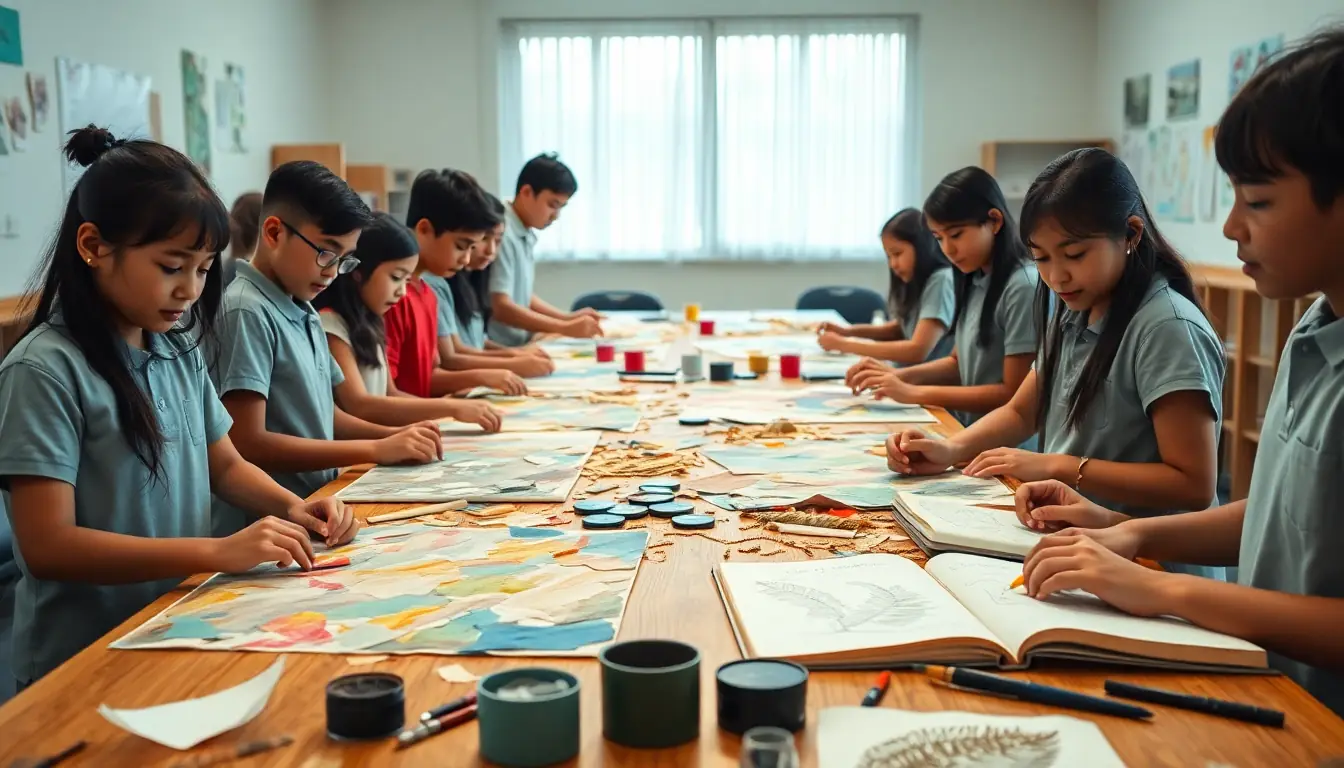 4 weeksHe Kōrero Auaha: Art That SpeaksPick one idea you really care about, then make an artwork that says it without a single word. Explain it, exhibit it, and see who gets it.Explore this world →
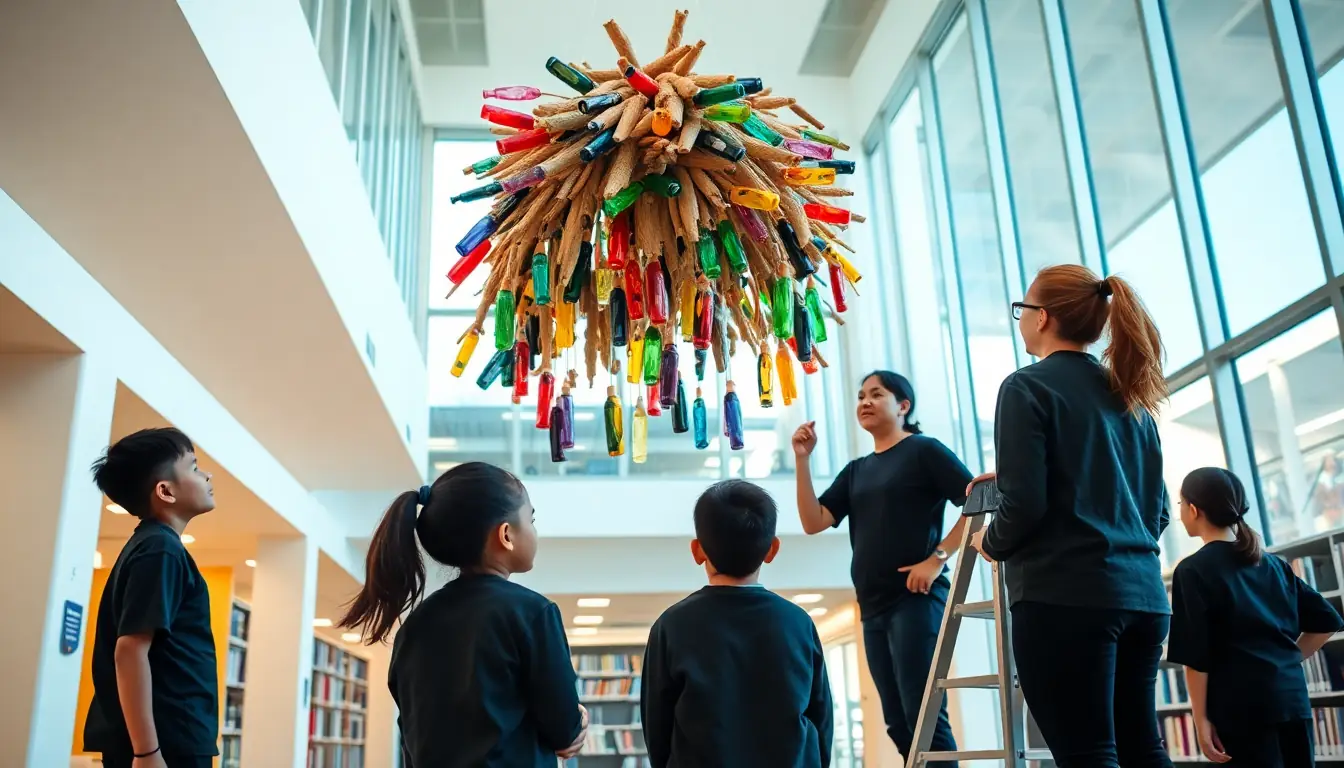 5 weeksTransforming Ideas into FormMake art for a real event, not just a wall. Plan it, test it, take critique, change it, then show the public your work and your process.Explore this world →
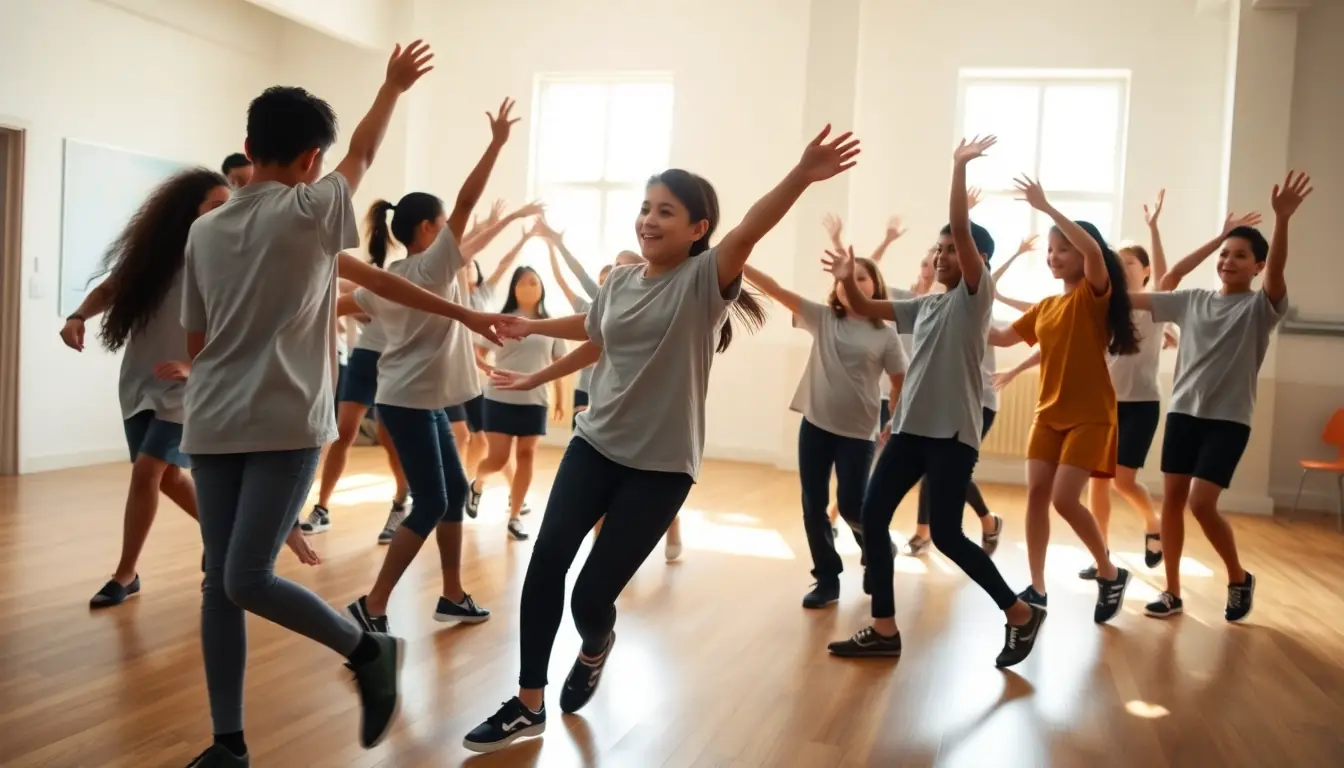 5 weeksMove: Dance and ChoreographyNo words, just bodies. Build a group dance from your own moves that makes an audience feel something, then perform it live.Explore this world →
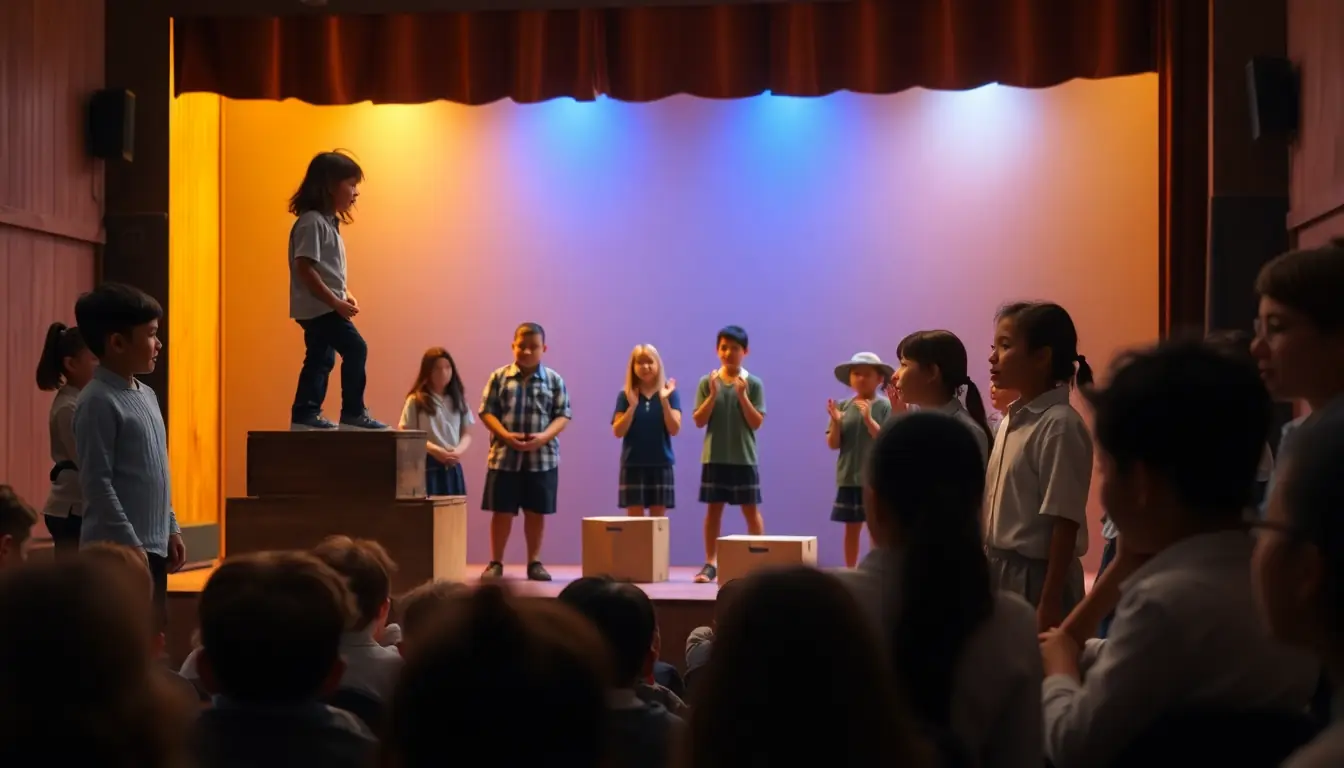 5 weeksStage It: Drama and Devised TheatreNo script? No problem. Pick a real issue, build the play yourselves, light it, score it, and let the audience step in and change the ending.Explore this world →
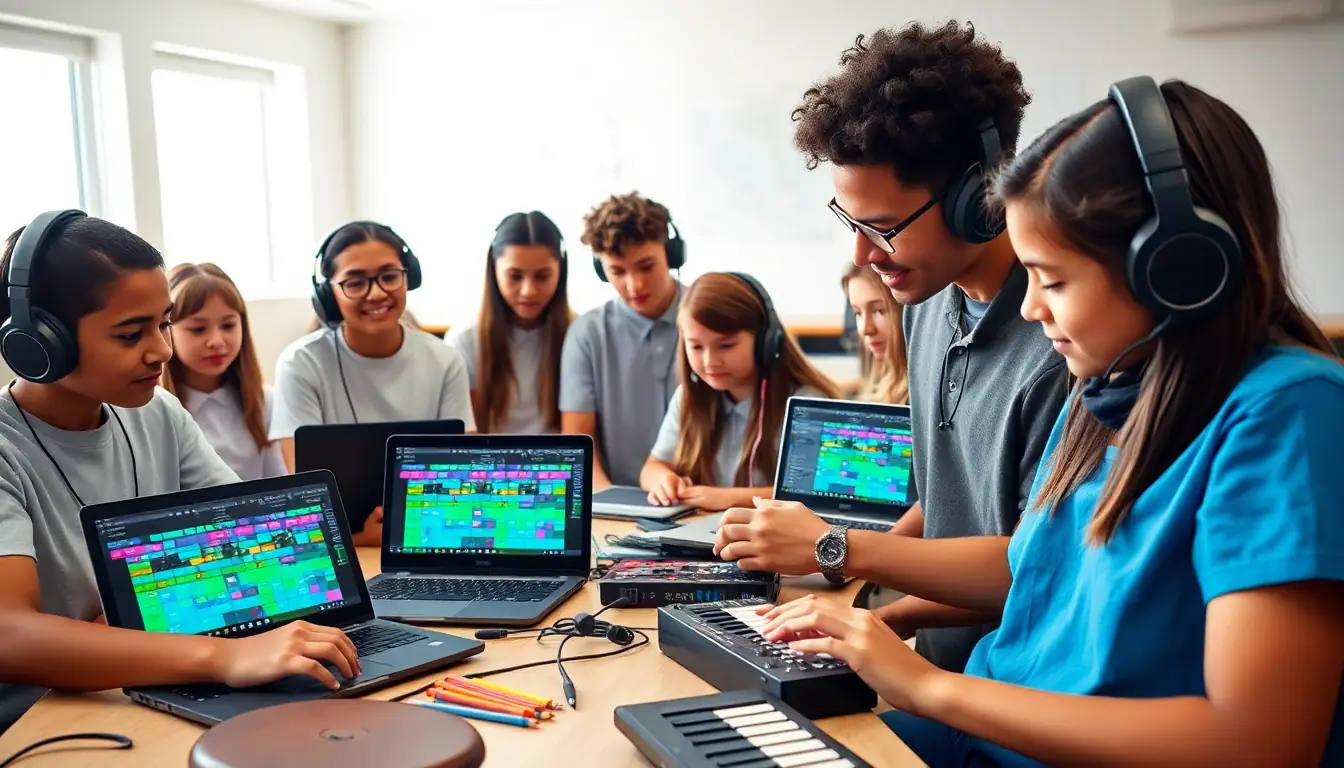 5 weeksBeat Makers: Composing with Music TechnologyBuild a track from nothing: beat, bass, chords and your own recorded sounds. Then play it to a room and watch it land.Explore this world →
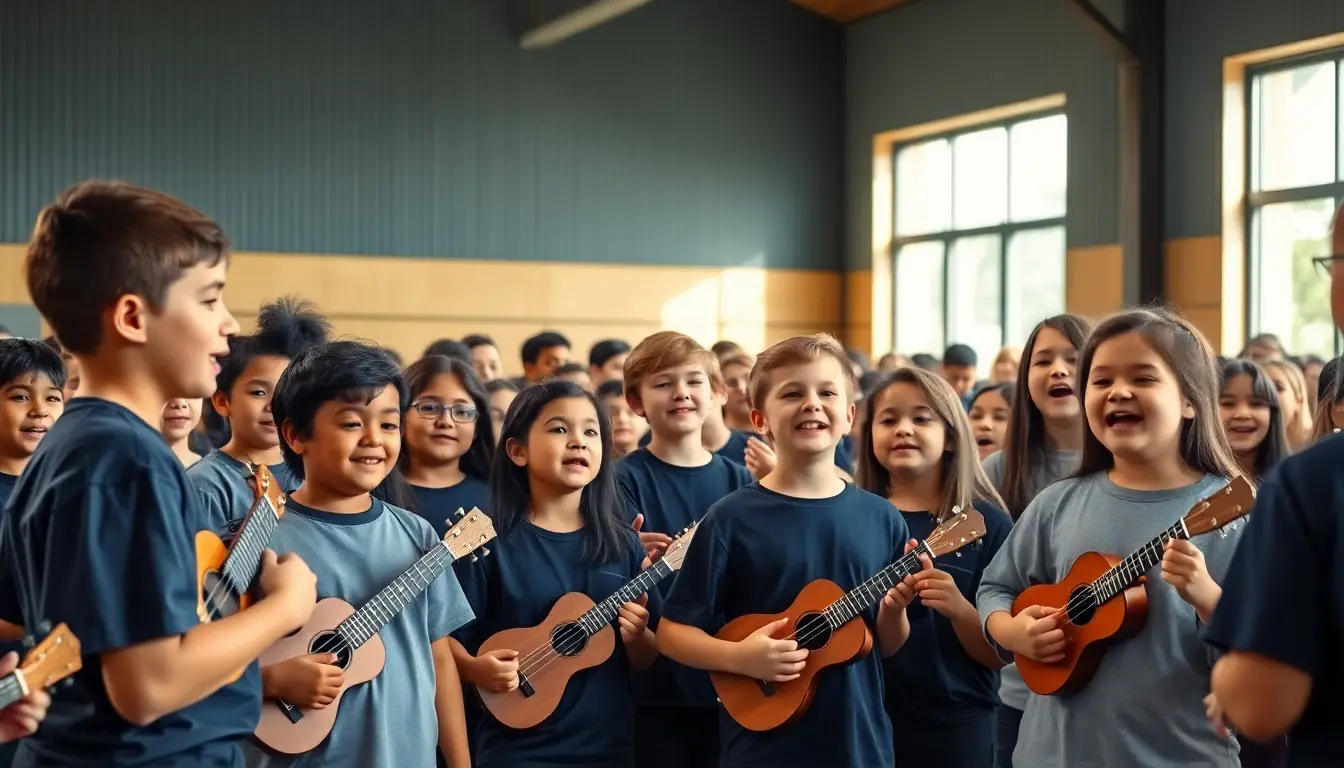 5 weeksHarmony: Singing and Playing TogetherOne voice is a tune. Twenty voices, four ukulele chords and a bass line are harmony. Build a sound bigger than any of you alone.Explore this world →
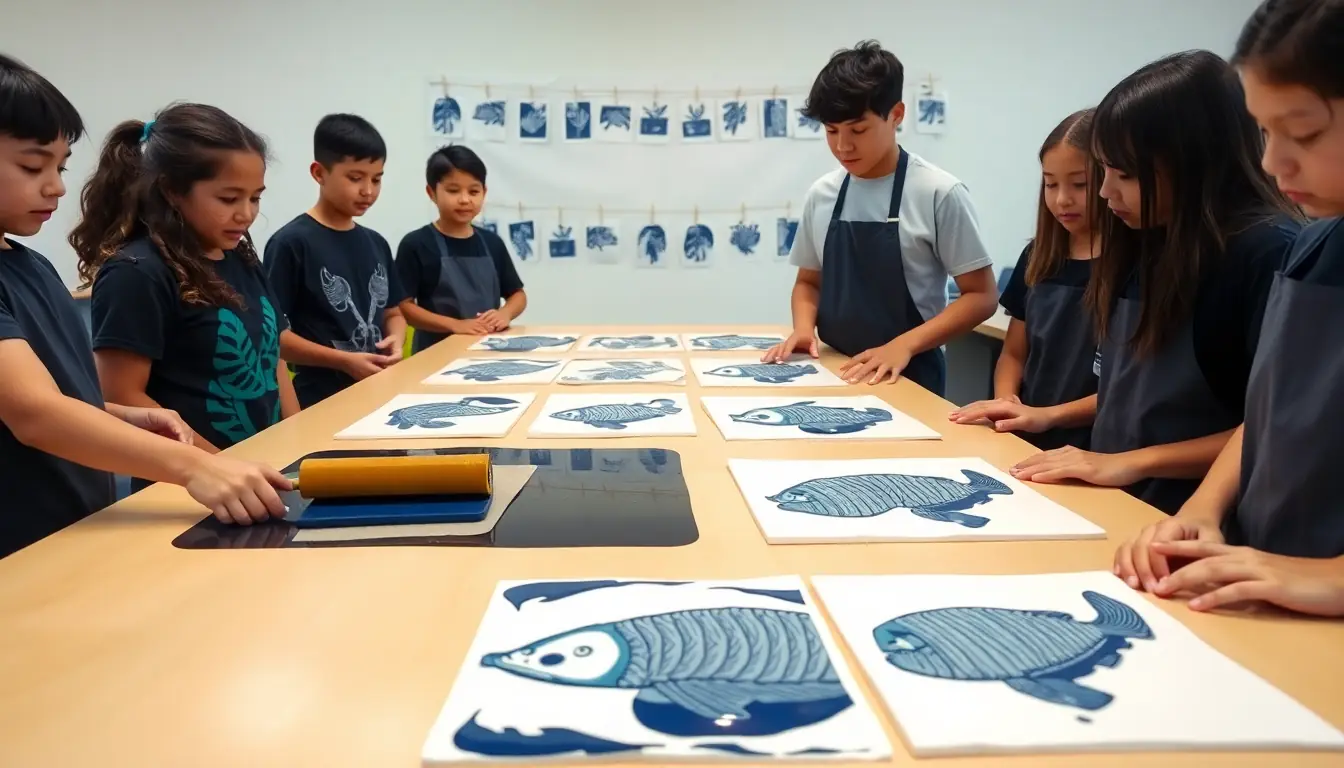 5 weeksPrint and Pattern: Printmaking and DesignCarve it, ink it, press it, peel it. Design a motif that is truly yours, then turn it into prints and patterns people can use.Explore this world →
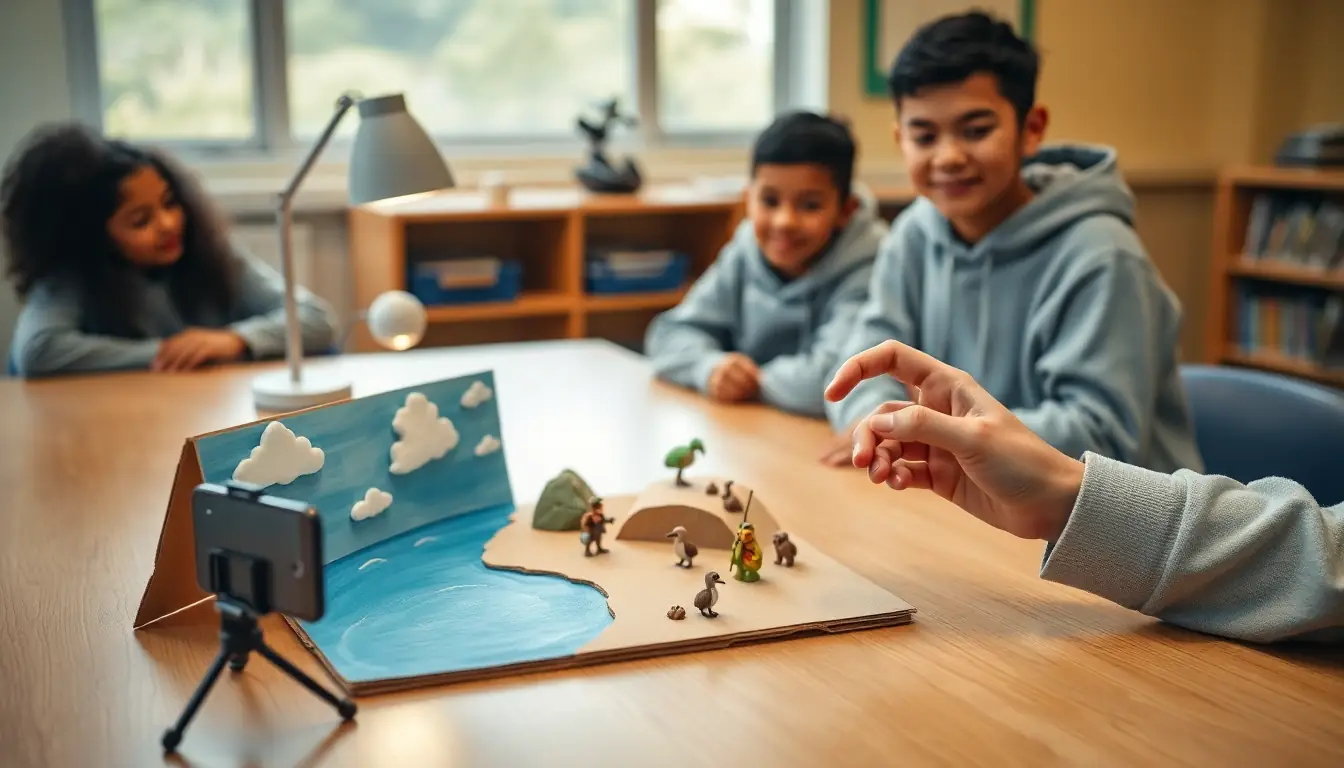 5 weeksStop Motion Studio: AnimationMove it a little. Snap. Move it again. Snap. Bring clay, paper and toys to life, frame by frame, in a film you premiere for a real audience.Explore this world →
Your journey: CREATE
Every Arts world moves through the same stages.
- Connect
- Respond
- Experiment
- Arrange
- Transform
- Exhibit
Background reading
Read to understand
Short readings from every world, written for Kōkiri Learn students.
- Symbols in art: saying more than you showHow artists use symbols, colour and composition to carry ideas, and how to use cultural symbols with respect.
- Where does your eye go first? Composition and emphasisVisual hierarchy, emphasis and focal points: the tricks artists use to control what you notice and in what order.
- Artist statements and critique: talking about your artWhat goes in an artist statement, how to give and take feedback kindly, and why artists welcome different interpretations.
- Visual diaries: how artists think on paperWhy artists keep a visual diary, what goes in it, and how trials, maquettes and critique turn a first idea into a resolved work.
- Art in public: making work for a place and its peopleHow public art differs from art on a gallery wall, with examples from Aotearoa, and the questions to ask before you make work for a community.
- Motifs, meaning and respectHow repeated shapes carry meaning, why some forms come with responsibilities, and how to create motifs that are truly your own.
- The dancer's toolkit: body, space, time, energy and relationshipsThe five elements every choreographer uses, and how changing just one of them changes what a movement means.
- Kapa haka, siva and more: learning from cultural dance with respectHow kapa haka and Pacific dance forms tell stories, what festivals like Te Matatini and Polyfest are, and how to learn from cultural dance respectfully.
- From moves to a dance: how choreographers build a pieceMotifs, devices, structure and transitions: the steps choreographers in Aotearoa use to turn movement ideas into a finished dance.
- The drama toolkit: techniques every actor usesThe elements of drama and the techniques you can use to build characters and scenes, from freeze frames to hot-seating.
- Theatre that speaks up: from Brecht to forum theatre to AotearoaHow playwrights and theatre companies around the world and in Aotearoa have used drama to raise issues and invite audiences to act.
- Light and sound: designing the world of the playHow lighting and sound designers create mood, show time and place, and guide the audience's attention, and how to do it safely at school.
- Inside a track: beat, bass, chords and hookThe four jobs that layers do in most modern music, and the words producers use when they build a track on a computer.
- Chords and feelings: how harmony changes the moodWhat chords are, how to build major and minor chords, why the tonic and dominant matter, and how to turn chords into a bass line.
- Beats with a message: how Aotearoa made new sounds its ownFrom 'Poi E' and 'E Tū' to taonga pūoro and Lorde: how New Zealand musicians borrowed new sounds and technology to tell their own stories.
- Two notes are better than one: how harmony worksUnison, rounds, drones, intervals and chords: the building blocks of harmony, and why some notes sound sweet together.
- Voices together: harmony traditions in AotearoaSettler choirs and community sings, Māori choirs and action songs, Pacific church choirs and barbershop: how people in Aotearoa have sung together, and how to learn their songs with respect.
- Playing together: ukulele, bass lines and ensemble skillsWhere the ukulele came from, the four chords that open up hundreds of songs, and the listening skills that make a group of players sound like one.
- What is printmaking? Carve, ink, press, peelThe main kinds of printmaking you can do at school, the words printmakers use, and some New Zealand printmakers to know.
- Patterns with meaning: barkcloth, kōwhaiwhai and stamped clothHow peoples of the Pacific, Aotearoa and beyond use printed, rubbed and painted patterns to carry identity, and how to learn from them with respect.
- How repeat patterns workMotifs, tiles and transformations: the maths and design behind wallpaper, fabric and wrapping paper, from Hokusai's woodblocks to your own print.
- How animation works: frames, speed and your brainWhy a row of still pictures looks like movement, what frame rate means, and how to plan how many photos your film needs.
- Animators to know, from Aotearoa and the worldNew Zealand animation pioneers Len Lye and Fred O'Neill, the stop-motion sheep of The Pen, and animators overseas whose ideas you can borrow.
- Planning like a filmmaker: storyboards, shots, timing and soundHow to plan a short animated story, choose shots that guide the audience's eye, make movement feel alive, and add sound.
New Zealand Curriculum, Phase 3
What The Arts asks for in Years 7–8
A summary of the refreshed teaching sequence. A combined class meets the Year 7 sequence in one year of the cycle and the Year 8 sequence in the other.
Required from 2029 (can start earlier) Official statement ↗
Performing arts (dance and drama)
Year 7 sequence
- Movement, gesture, props and costume as symbols
- Drama techniques for character
- Performance technologies
- Genres and critique of themes
Year 8 sequence
- Symbols, signs and abstract ideas
- Role play
- Flow and transitions
- Whanaungatanga, manaakitanga and reciprocity
Music
Year 7 sequence
- Elements of music
- Composers across traditions
- Singing in harmony; melody and bass
- How technology shapes sound
Year 8 sequence
- Harmony and mood
- Instruments' roles
- Digital composition and mixing
- Social and cultural influences on music
Visual arts
Year 7 sequence
- Elements and principles to communicate ideas
- Hierarchy and emphasis
- Experiment, take risks, refine
- Identity and respect for cultural symbols
Year 8 sequence
- Personal and cultural identity in composition
- Symbolic forms and motifs
- Visual diaries
- Interpreting art with art language
Trusted NZ sites
Explore more
- Te Papa Collections Online ↗
Te Papa
Artworks by New Zealand artists to respond to.
- NZ On Screen ↗
NZ On Air
New Zealand film, music video and performance.
Ready to run it with your class?
Free trial for NZ schools. One combined Years 7–8 class, any term.