Session 1 · DESIGN: Discover
What goes to waste?
- 10 minHook: a bowl of fallen feijoas and a bruised apple. How much of this gets thrown away in Aotearoa, and why?
- 15 minKai waste hunt: list foods that go to waste at school, at home and in local backyards. Choose one to investigate and plan how to weigh it this week.
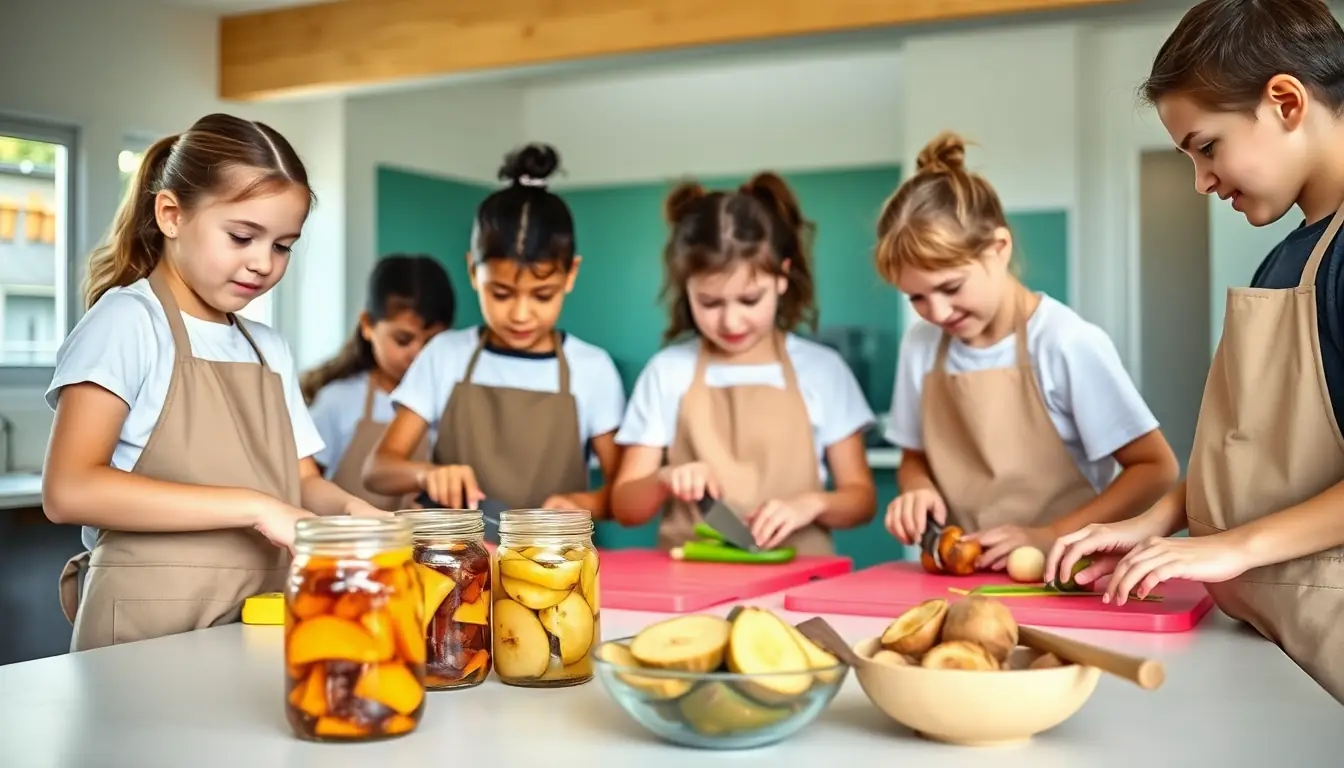
- 20 minKai safety licence: hand-washing, hair, aprons, the 4Cs (clean, cook, cover, chill), and the bridge and claw knife grips practised on bananas.
- 5 minAllergy check: know which allergens are banned from the room and why.
Session 2 · DESIGN: Explore
How ingredients behave
- 10 minWhy do apples go brown? Predict, then set up slices with lemon juice, salt water, plain water and nothing.
- 15 minIngredient stations: taste and describe sweet, sour, salty, bitter and umami foods; feel textures (crunchy, chewy, soft).
- 15 minRecord the apple results. Which treatment stopped browning best, and why might acid help?
- 10 minTalk about how kai was stored before fridges: rua kūmara, drying on hot stones, tītī in pōhā.
Getting started
Use the picture card for the bridge and claw grips.
Stretch
Visit a heritage garden, community garden or orchard and record what is harvested each month.
Checkpoint
Everyone holds a kai safety licence, and your group has chosen one wasted food to work with.
Activities for this week
- Knife skills: bridge and claw: How do chefs cut food quickly without cutting themselves?
- Why do apples go brown?: What stops cut fruit browning?
- Kai waste weigh-in: How much good food goes to waste near us?
Useful this week
- Clean, cook, chill: safe food at home ↗ New Zealand's food-safety basics for preparing and storing kai.
- Allergen labelling ↗ Which allergens must be shown on labels, and how to read them.
- Traditional cooking and preserving ↗ How Māori dried, stored and preserved kai.
- Fermentation ↗ The microbes behind bread, yoghurt and sauerkraut.
- Pōhā – rokiroki kai ↗ How pōhā made from kelp kept preserved tītī and other birds safe for months.