Session 1 · DESIGN: Explore
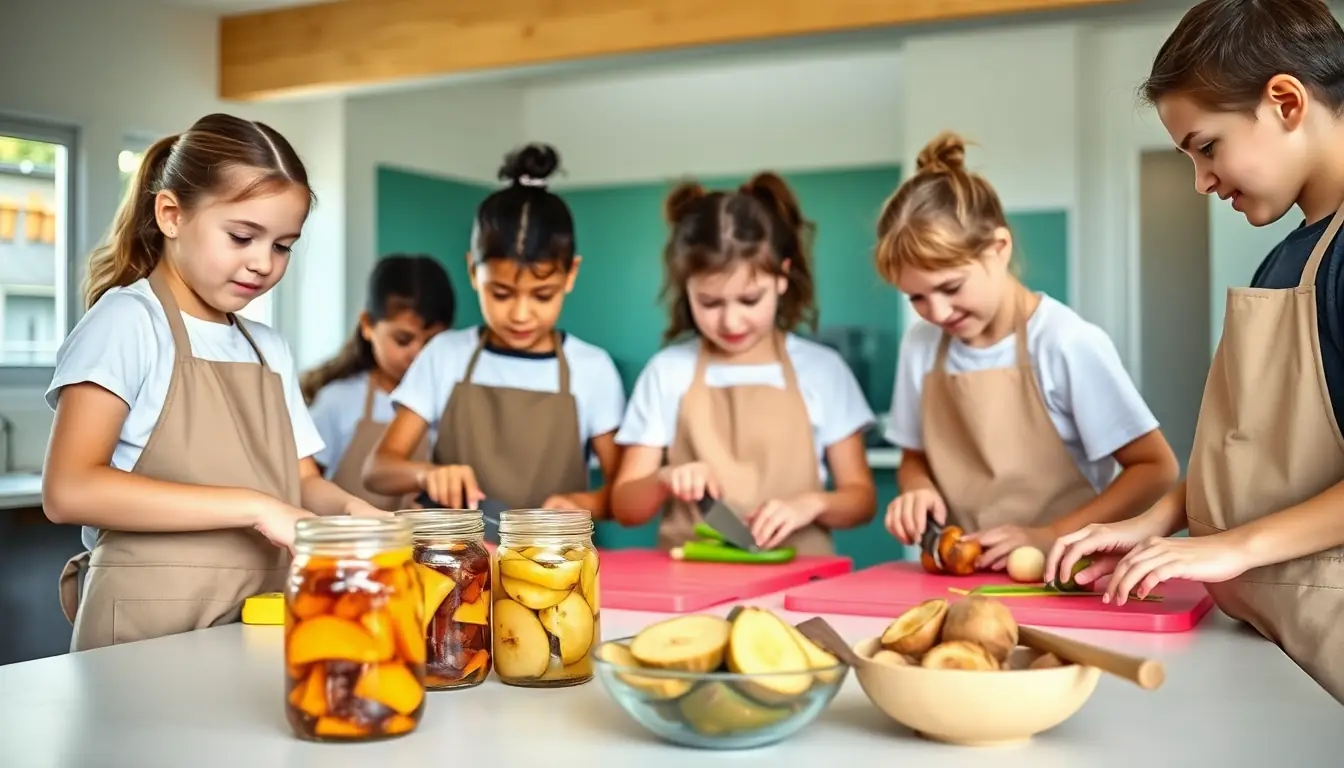
Preservation lab
- 5 minSafety reminder: adults pour hot brine; ovens and dehydrators only with adults.
- 15 minDrying: weigh thin apple or feijoa slices, place in a low oven or dehydrator (teacher), and plan to weigh them again.
- 15 minPickling: make a quick fridge pickle of carrot or cucumber in vinegar brine. Label and date it.
- 15 minFermenting: salt and massage shredded cabbage (2% salt by weight), pack it under its own brine, and set it to ferment.
Session 2 · DESIGN: Sketch
Product ideas
- 10 minWeigh the dried slices and work out the percentage of water lost.
- 15 minCrazy eights: eight product ideas using your wasted food and one preservation method each.
- 15 minInterview two people in your audience: what snacks do they like, what can't they eat, what would they try?
- 10 minChoose one idea and sketch the product and its packaging with notes.
Getting started
Start with the drying experiment: it only needs slicing and weighing.
Stretch
Test pH of the pickle and the ferment each day with indicator strips and graph the change.
Checkpoint
Three preservation experiments running, and one product idea your audience would try.
Activities for this week
- Drying lab: How much water is in fruit, and what happens when we take it out?
- Quick fridge pickle: How does vinegar keep vegetables safe to eat?
- Ferment in a jar: How do tiny living things turn cabbage into sauerkraut?
Useful this week
- Traditional cooking and preserving ↗ How Māori dried, stored and preserved kai.
- Fermentation ↗ The microbes behind bread, yoghurt and sauerkraut.
- Pōhā – rokiroki kai ↗ How pōhā made from kelp kept preserved tītī and other birds safe for months.
- Developing healthy food products ↗ How food technologists take a product from idea to shelf.