Technology · World 3 of 8 · Years 7–8
Kai Lab: Food Technology
Dry it, pickle it, ferment it: turn surplus garden and orchard kai into a safe, tasty product and test it on real people.
Big question: How can we turn fresh, local kai into a safe food product that people enjoy and that wastes less?
- You'll make
- A preserved food product (fruit leather, dried fruit, a quick pickle, a ferment or a chutney) with a tested recipe, a sensory panel report and a label that lists every ingredient and allergen.
- For
- A whānau tasting evening, the school garden or Garden to Table group, or a community market stall
- Time
- 5 weeks · 2 sessions a week
Your mission
Why it matters
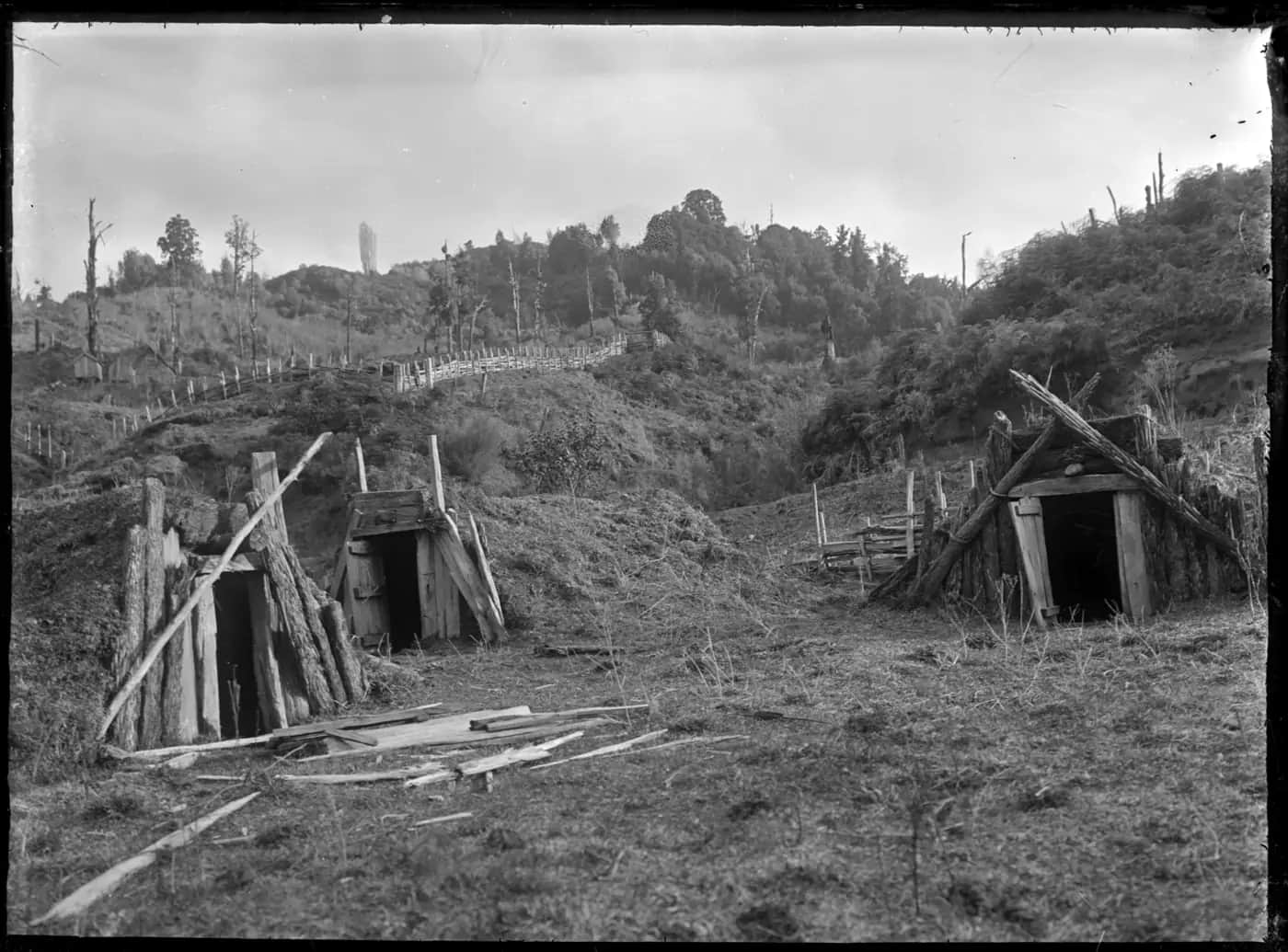
Every autumn, feijoas carpet the ground under backyard trees, apples roll off school orchard trees and the garden grows more silverbeet than anyone can eat. Most of it ends up in the compost or the bin. People in Aotearoa have preserved kai for centuries, from kūmara stored in rua to tītī sealed in their own fat. Your job is to design a preserved food product from surplus local kai, keep it safe, test it on a real tasting panel and share it.
Food technologists decide what ends up in our lunchboxes and supermarkets. Knowing how ingredients behave, how food goes off and how to keep it safe lets you cook with confidence, waste less, respect people's allergies and cultures, and invent kai that people actually want to eat.
Your first step
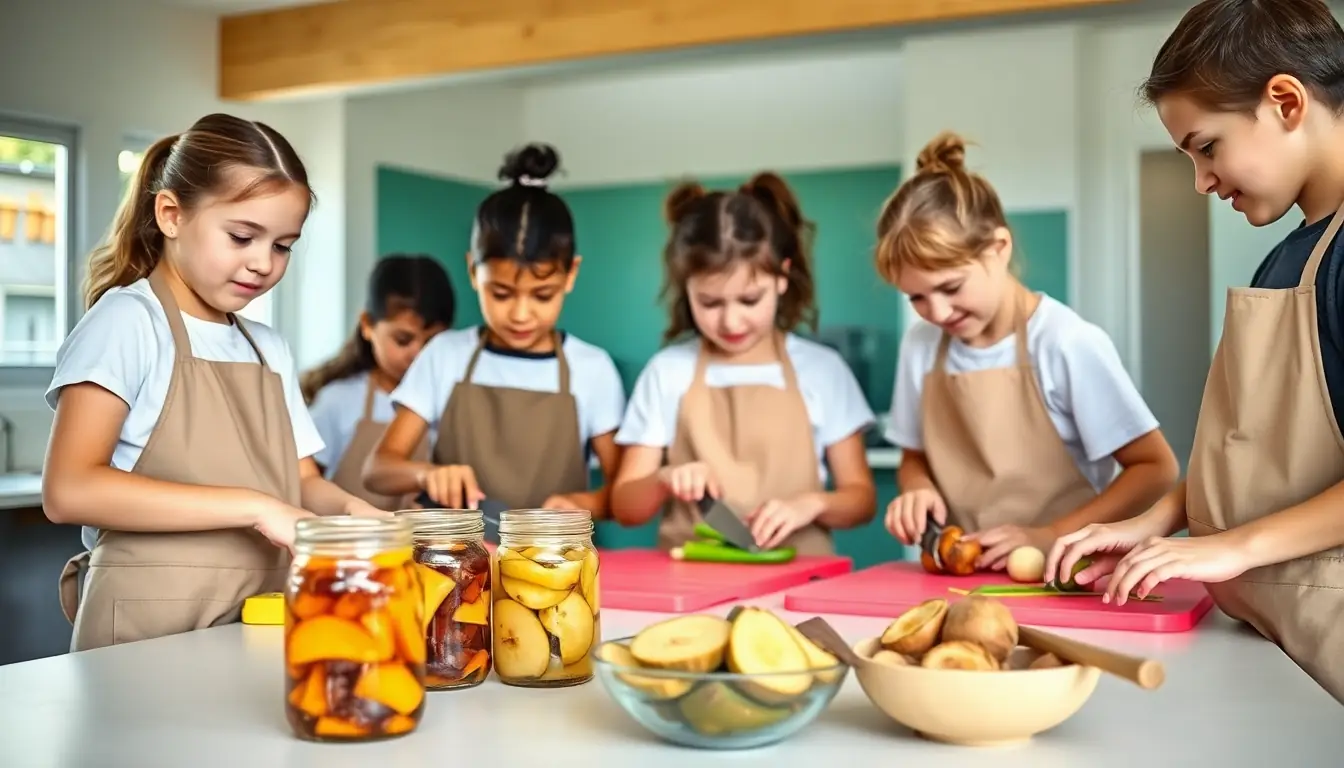
Find one food that goes to waste near you: fallen feijoas, extra silverbeet, bruised apples. Weigh how much is wasted in a week. Then pass the kai safety check: wash hands, tie hair back and learn the bridge and claw knife grips.
Make it yours
Choose a context
Same big question, three different places to explore it. Pick the one that fits your class and community.
The school garden and orchard
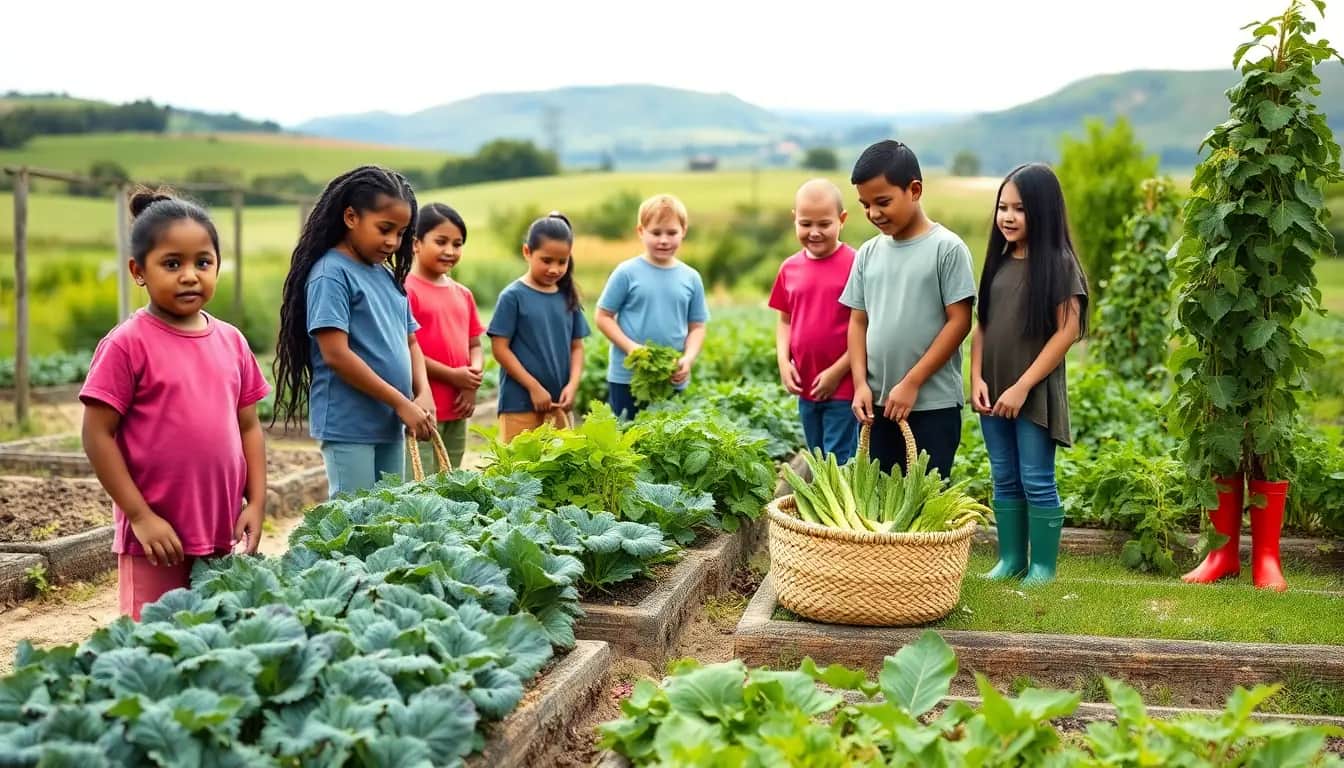
Work with what grows at school or in local backyards: feijoas, apples, lemons, silverbeet, cabbages, beans. Link with a Garden to Table programme or Enviroschools group, and plan what to plant next season so there is always something to preserve.
A marae or community kitchen
With the host's invitation, learn from the people who feed large groups: how kai is stored, how hygiene is managed, and traditional ways of preserving and preparing food like rēwena bread with its fermented potato 'bug'. Follow the kitchen's tikanga and your school's iwi relationships.
Our whānau kitchens
Every culture preserves food: Korean kimchi, German sauerkraut, Indian achar, Pacific coconut and taro dishes, Māori dried and stored kai, a nana's feijoa chutney. Collect family recipes, compare the methods and the science behind them, and design a product that blends ideas with respect.
DESIGN
Week by week
Two sessions a week, each with Getting started and Stretch support so the whole class works together.
- W1Kai safety and the problem of food wasteDiscover: What goes to waste? · Explore: How ingredients behave
- W2Three ways to make food lastExplore: Preservation lab · Sketch: Product ideas
- W3Write the recipe and run the first trialSketch: Specification and recipe · Improve: Trial one and a sensory panel
- W4Improve the recipe and share the storiesImprove: Change one thing · Give Value: Kai, culture and value
- W5Label it, cost it and share it safelyNavigate Constraints: Allergens, labels and limits · Navigate Constraints: The tasting
Hands-on
Activities
Investigations and projects that fit the weeks above. Open one to see what you need and how you'll know it worked.
Knife skills: bridge and clawHow do chefs cut food quickly without cutting themselves?Open
You need: chopping board on a damp cloth · small serrated knife · banana, cucumber, carrot · apron
- Put a damp cloth under the board so it can't slide.
- Bridge: make an arch with your thumb and fingers over the food, and cut down through the gap.
- Claw: curl your fingertips under, knuckles forward, and slice beside your knuckles.
- Start with a banana, then cucumber, then carrot.
- Carry a knife pointing down beside your leg, and never try to catch a falling knife.
How you'll know: You can slice a carrot into even rounds with your fingertips tucked away the whole time.
Safety: Adult demonstration first; about one adult to eight students; knives stay on the board; report any cut straight away.
Go further: Time yourself slicing ten even rounds, then try to beat it without losing the claw.
Fits week 1 →Why do apples go brown?What stops cut fruit browning?Open
You need: one apple · lemon juice · salt water · plain water · four labelled saucers · timer
- Cut the apple into eight equal slices (bridge grip).
- Dip two slices in lemon juice, two in salt water, two in plain water, and leave two plain.
- Photograph them at 0, 10, 30 and 60 minutes.
- Rank them from least to most brown.
How you'll know: You can explain that cutting lets air reach chemicals in the fruit, and acid slows the browning reaction.
Safety: Check for fruit allergies; tasting only if your teacher allows it.
Go further: Try pineapple juice or honey water. Is it the acid, or something else?
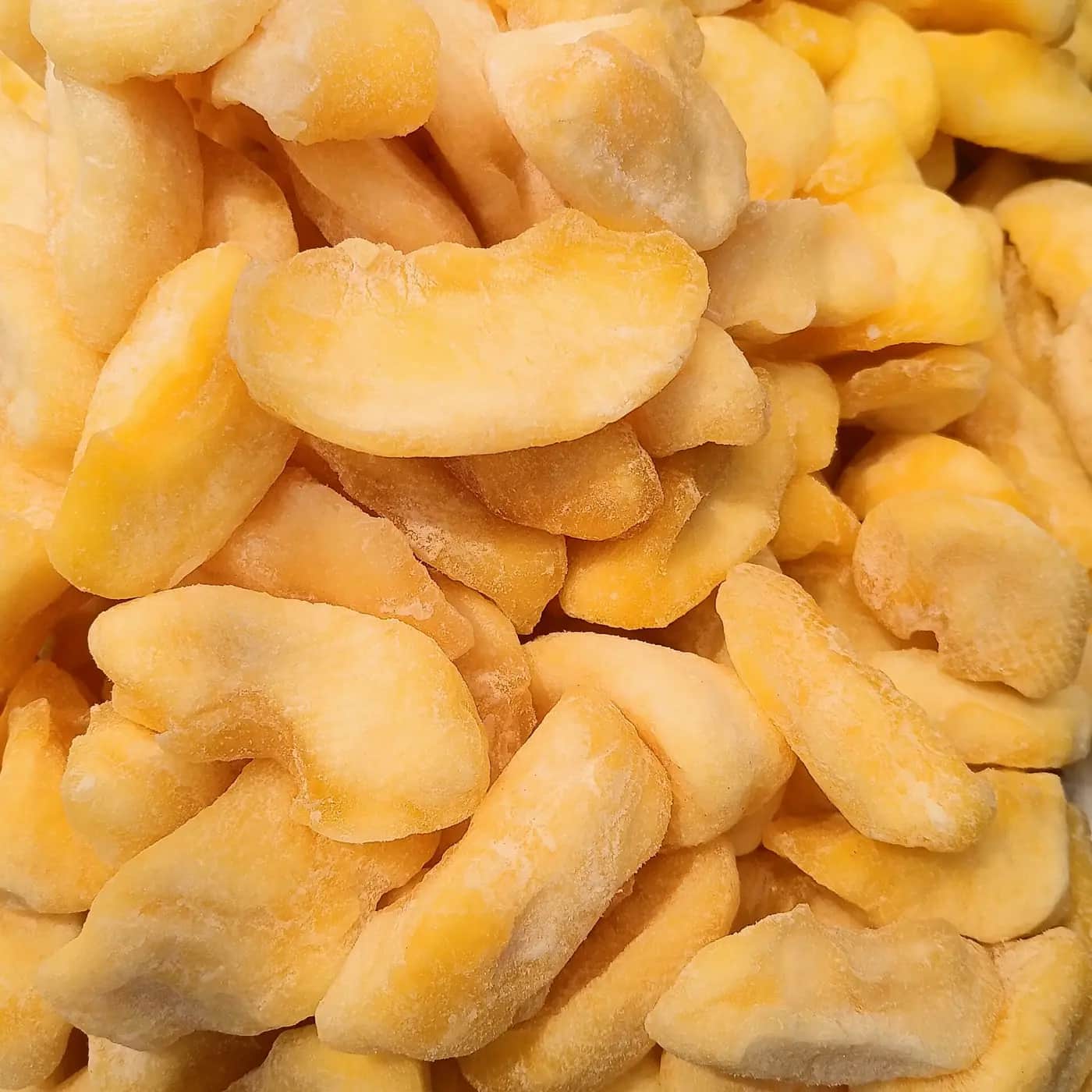
Fits week 1 →Drying labHow much water is in fruit, and what happens when we take it out?Open
You need: apples or feijoas · kitchen scale · baking paper and oven tray or a dehydrator · oven gloves
- Slice the fruit thinly and evenly (about 3 mm).
- Weigh the slices together and record the fresh weight.
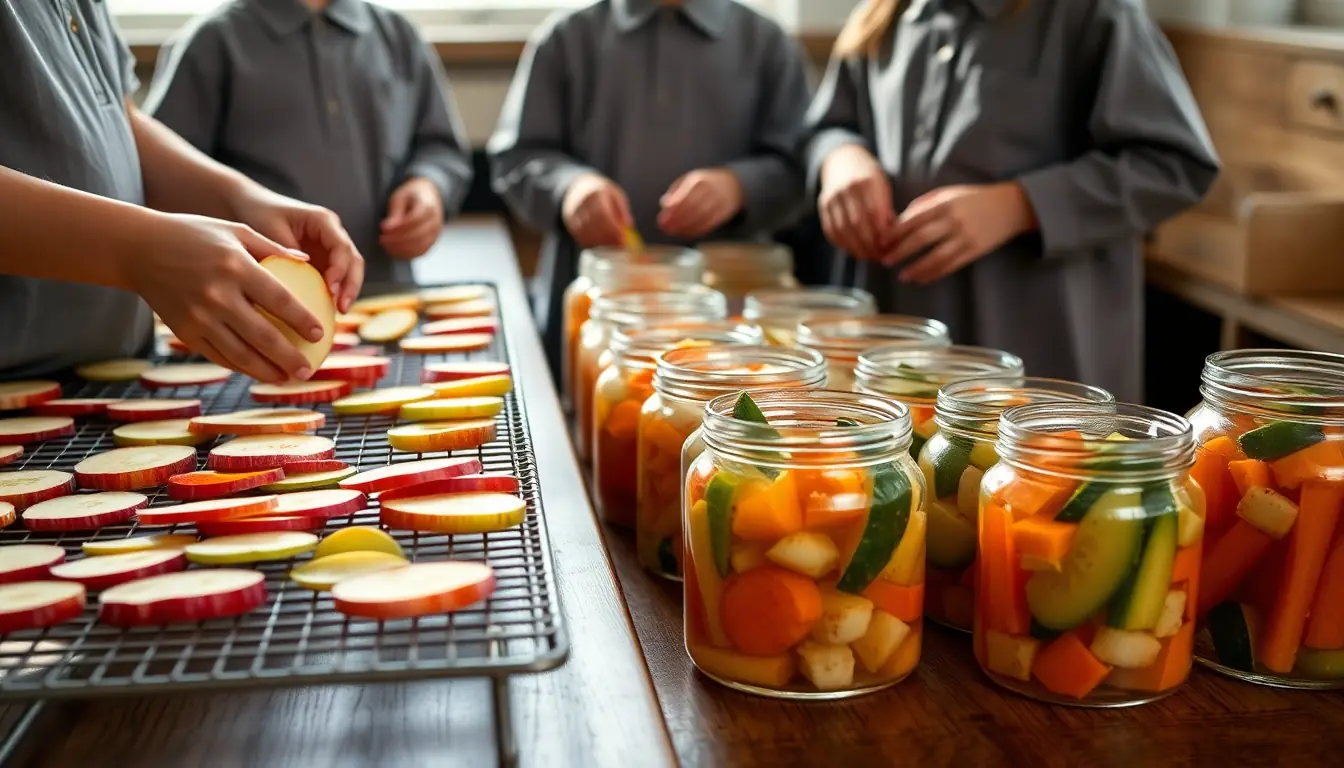
- Dry at a low temperature (about 60 to 70°C) for several hours, with an adult managing the oven.
- Weigh again when leathery and dry.
- Water lost (%) = (fresh weight − dry weight) ÷ fresh weight × 100.
How you'll know: You can say what percentage of the fruit was water, and explain why dry food keeps longer.
Safety: Only adults put trays in and out of the oven; use oven gloves; let trays cool before touching.
Go further: Compare thick and thin slices. Which dries faster, and which tastes better?
Fits week 2 →Quick fridge pickleHow does vinegar keep vegetables safe to eat?Open
You need: clean glass jar with lid · carrot, cucumber or cauliflower · vinegar, water, salt, a little sugar · pH strips (optional)
- Wash the jar in hot soapy water and let it air dry.
- Cut vegetables into sticks and pack them in the jar.
- An adult heats equal parts vinegar and water with a little salt and sugar until dissolved, then pours it over.
- Cool, put the lid on, label with the date and keep it in the fridge.
- Taste and test crunch on day 1, 3 and 7.
How you'll know: You can explain that the acid makes it too sour for most harmful bacteria to grow.
Safety: Adults handle hot liquid; fridge pickles stay in the fridge and are eaten within a few weeks.
Go further: Try different vinegar strengths and record crunch and flavour. Which is still safe?
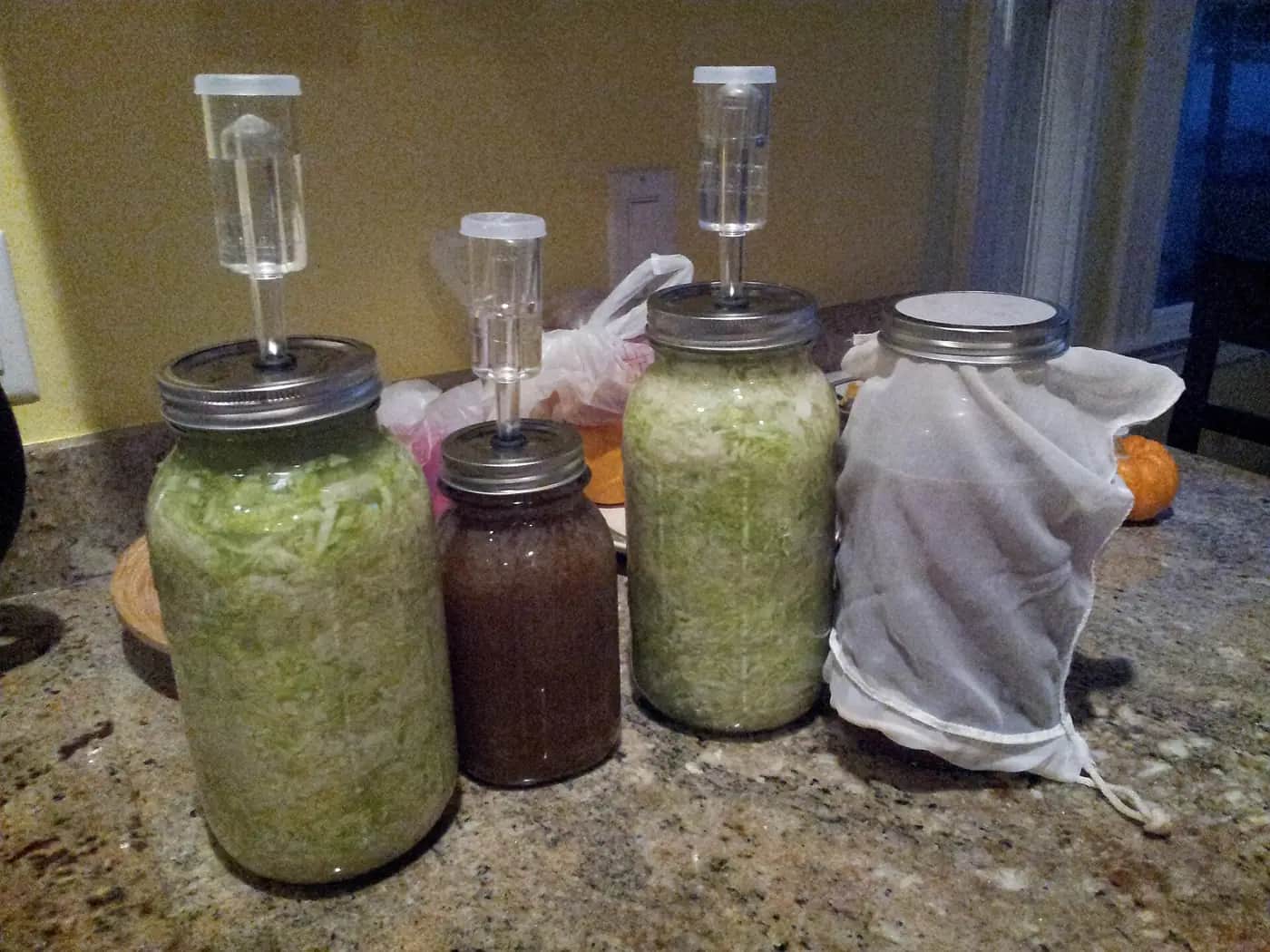
Fits week 2 →Ferment in a jarHow do tiny living things turn cabbage into sauerkraut?Open
You need: cabbage · kitchen scale · salt · large bowl · clean jar · a small clean weight (a smaller jar of water) · pH strips
- Shred the cabbage and weigh it. Work out 2% of the weight: that's how much salt to add.
- Massage the salt in for about ten minutes until juice comes out.
- Pack it tightly into the jar so the juice covers it, and weigh it down.
- Cover loosely and keep at room temperature. Look and test pH every day for a week.
- Record bubbles, smell, colour and pH. When it tastes sour enough, move it to the fridge.
How you'll know: Your pH readings drop over the week as lactic acid bacteria make acid, and you can explain why that keeps other microbes out.
Safety: Keep the cabbage under the brine; throw it out if you see fuzzy, pink or black mould, slime, or it smells rotten. Teacher decides on tasting.
Go further: Find out how rēwena bread's potato 'bug' or kimchi uses fermentation, and compare with your jar.
Fits week 2 →Blind sensory panelHow can we judge taste fairly?Open
You need: small samples in cups with three-digit codes · water to rinse · five-face score sheets · allergy list
- Give each sample a random three-digit code so tasters aren't influenced by names.
- Serve samples in a different order to each taster.
- Tasters sip water between samples and score appearance, aroma, taste, texture and overall on a five-face scale.
- Ask one open question: 'What would make it better?'
- Put the scores in a table and find the median for each attribute.
How you'll know: Your results show which attribute to improve, and nobody knew which sample was which.
Safety: Check every taster's allergies first; single-use spoons; tasters can say no.
Go further: Draw a sensory profile (spider diagram) of your product and a shop-bought one on the same chart.
Fits week 3 →Allergen detectiveCan we find every allergen on a food label?Open
You need: six to eight real food packets (clean and empty) · highlighters · allergen list
- Find the ingredients list. It is written in order of weight, biggest first.
- Highlight the allergens. In New Zealand they must be named and shown in bold.
- Find the 'Contains' summary statement and any 'may contain' warning.
- Check: would this be safe for someone allergic to milk? To sesame? To wheat?
How you'll know: You can find every allergen on a label in under a minute and explain what 'may contain' means.
Go further: Design an allergy-friendly version of your product for someone who can't have one of your ingredients.
Fits week 5 →Kai waste weigh-inHow much good food goes to waste near us?Open
You need: kitchen or bathroom scale · buckets · gloves · tally chart
- Choose one place: the school orchard, a whānau feijoa tree, the canteen or lunchboxes.
- For five days, collect and weigh the food that would be thrown away.
- Sort it: could be eaten, could be preserved, only good for compost.
- Graph the results and work out a week's and a term's total.
How you'll know: You have real numbers for how much food could be saved, and a plan for some of it.
Safety: Gloves for handling waste; wash hands afterwards; don't eat fallen fruit without washing and checking it.
Go further: Scale your numbers up to the whole town using Love Food Hate Waste ideas.
Fits week 1 →Look closer
From the real world
Background reading
Read to understand
Short readings written for Kōkiri Learn students, with their sources.
- Keeping kai safe: hygiene, allergens and sharp knivesThe 4Cs of food safety, why bacteria love warm food, how to read allergens on a label, and how to use knives and heat safely.
- Why food lasts: drying, pickling and fermentingWhat makes food go off, and how people in Aotearoa and around the world have used drying, acid, salt and friendly microbes to keep kai for months.
- From garden to jar: developing a food productHow food technologists write specifications, test taste fairly with sensory panels, improve recipes and think about waste, culture and cost.
Trusted NZ sites
Explore more
Placed at the stage of the journey where each one helps.
Discover
Clean, cook, chill: safe food at home ↗Ministry for Primary Industries
New Zealand's food-safety basics for preparing and storing kai.
Discover
Allergen labelling ↗Allergy New Zealand
Which allergens must be shown on labels, and how to read them.
Explore
Traditional cooking and preserving ↗Te Ara Encyclopedia of New Zealand
How Māori dried, stored and preserved kai.
Explore
Fermentation ↗Science Learning Hub
The microbes behind bread, yoghurt and sauerkraut.
Explore
Pōhā – rokiroki kai ↗Science Learning Hub
How pōhā made from kelp kept preserved tītī and other birds safe for months.
Sketch
Developing healthy food products ↗Science Learning Hub
How food technologists take a product from idea to shelf.
Improve
Sensory scientists ↗Science Learning Hub
How NZ scientists test flavour, texture and appearance fairly.
Give Value
Heritage Food Crops Research Trust ↗Heritage Food Crops Research Trust
A Whanganui trust growing and researching heritage fruit and vegetables.
Navigate Constraints
Love Food Hate Waste ↗WasteMINZ
Ideas for using up food and cutting kai waste at home and school.
Navigate Constraints
Allergy in children ↗KidsHealth
What allergic reactions and anaphylaxis look like, and what to do.
Real audiences
- Whānau at a tasting evening
- The school garden, Garden to Table or Enviroschools group
- A community garden, marae kitchen or local market (as a demonstration, following food-safety rules)
Work with other schools
- Swap preserved-kai recipes with a school in a different region: feijoas from the north, stone fruit from Otago, citrus from Gisborne.
- Build a shared online recipe book where each class adds one tested recipe with its sensory results and allergen list.
- Run the same sauerkraut pH experiment in several schools and compare how temperature changes fermentation speed.
- Hold a video 'kai kōrero' where whānau cooks from different schools share preserving traditions.
Stretch challenges
- Invent a zero-waste product that uses the peel, core or stalks as well (apple-peel crisps, broccoli-stalk pickle).
- Plan a heritage-variety garden bed with seeds from a heritage seed trust, so next year's product is grown on site.
- Compare the nutrition of fresh, dried and pickled versions of the same fruit or vegetable using food composition data.
- Research a New Zealand food innovation, such as Len Light's EasiYo home yoghurt maker (1992), and explain the technology inside it.
New Zealand Curriculum
What this world covers
Mapped to the refreshed Phase 3 statements. The whole class covers both the Year 7 and Year 8 sequences over two years.
Technology · Materials and ingredients
Ingredient attributes (flavour, texture, heat stability) and processing choices shape sensory qualities and nutrition; biotechnology through controlled fermentation; safe techniques
Year 7 sequence
Technology · Materials and ingredients
Fair sensory testing and sensory profiling of food products; objective measures as specifications; comparing processing methods and cultural practices
Year 8 sequence
Technology · Design and innovation
Culture and design: reviewing food procedures for efficiency, sustainability and cultural appropriateness
Year 7 sequence
Health and Physical Education · Health: bodies and minds
Reading food labels, including allergen and 'may contain' statements
Year 8 sequence
Science · Biological Science
Single-celled organisms (yeasts and bacteria) at work in fermentation and food spoilage
Year 7 sequence
Mathematics and Statistics · Measurement
Metric conversions and percentages: water loss in drying, salt as a percentage of weight, cost per serve
Year 7 sequence
For teachers: how to run it
Prep: before any food work, collect allergy and dietary information from whānau and the school's health records, and plan every recipe around them (no nuts in the room at all is the simplest rule; check for sesame, egg, milk, gluten, soy and fish). Keep each student's action plan and adrenaline autoinjector location known to every adult. Kitchen set-up: hand-washing station, hair tied back, clean aprons, colour-coded boards, sanitised benches, a first-aid kit with burn gel. Teach the bridge and claw knife grips with soft produce first; use serrated or small cook's knives only after a safety demonstration and with a ratio of about one adult to eight students. Heat: only adults pour boiling brine or handle hot oven trays; students use oven gloves and keep pot handles turned in. Fermenting and pickling: use tested recipes (about 2% salt by weight for sauerkraut; vinegar pickles at least half vinegar), keep ferments under brine, store finished pickles in the fridge, and discard anything with fuzzy, pink or black mould, slime or an off smell. Do not attempt home canning of low-acid foods or preserve meat, seafood or garlic in oil. Tasting follows your school's food policy; products are for class and whānau tasting, not sale, unless you meet MPI food-safety rules. Culture: invite whānau and community cooks as experts; when visiting a marae kitchen, go through the school's iwi relationships and follow the host's tikanga (food is kept separate from the head and from items like hats and bags on tables). A visit to the Heritage Food Crops Research Trust in Whanganui or a local community garden fits week 1 (follow a health-and-safety plan: consent, allergies, wash hands, do not eat crops unless staff say so). Differentiation: pairs with a picture recipe card; extension groups calculate water loss, salt percentage and cost per serve, or run a triangle test. Pūkeko, the AI companion, asks one question about a recipe change; it never writes recipes or judges taste. Links: Health and PE world 'Kai and Me' for nutrition; Kōkiri Lab garden worlds for growing the ingredients.
Plan this world into any term with the two-year planner. Students can record their thinking in their Kōkiri Learn portfolio.
More Technology worlds
 4 weeksTe Hoahoa Otinga: Designing Solutions
 5 weeksDesigning for Our Community
 5 weeksBuild It Strong: Structures and Mechanisms
 5 weeksSmart Circuits: Electronics and Control
 5 weeksCode a Game: Algorithms and Debugging
 5 weeksData Detectives: Data, Spreadsheets and AI
 5 weeksGrow It: Aquaponics and Sustainable Systems
Ready to run it with your class?
Free trial for NZ schools. One combined Years 7–8 class, any term.