Session 1 · VOICE: Observe
Plant cells, animal cells
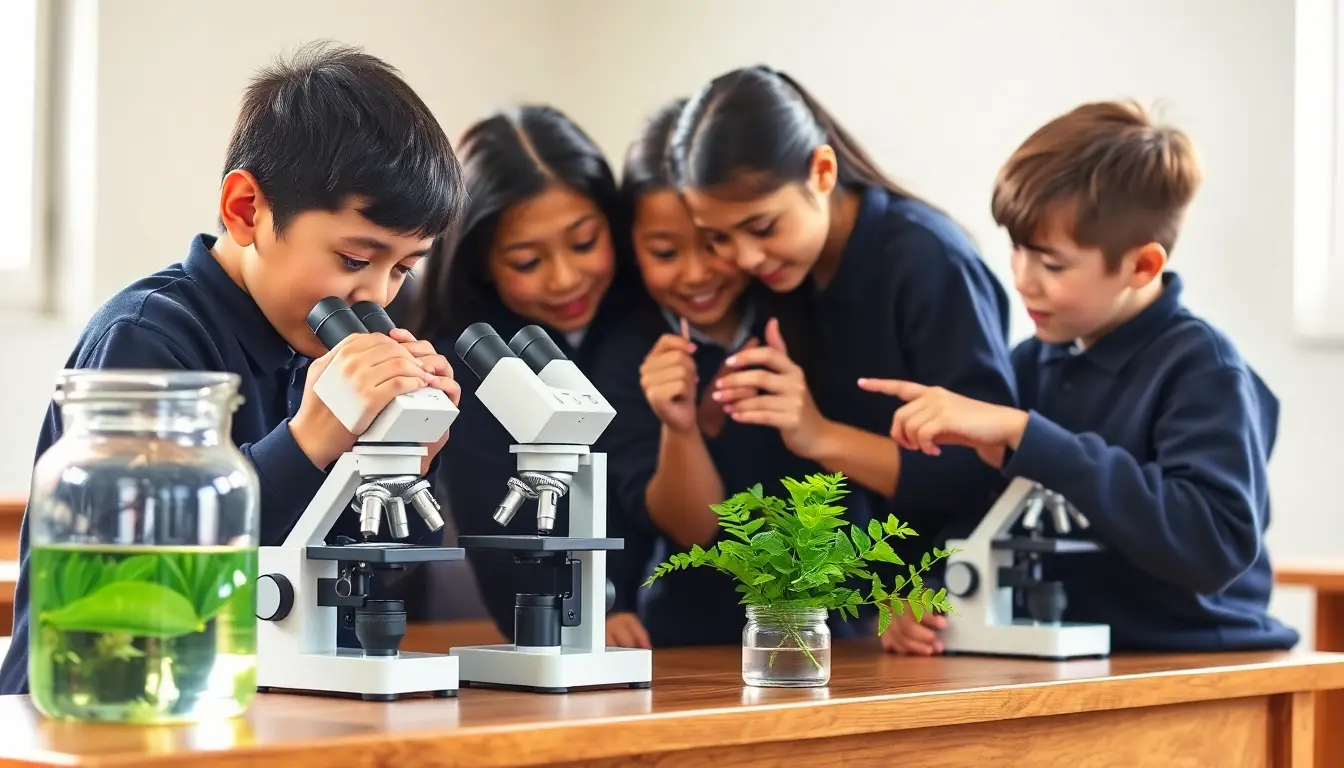
- 15 minCompare slides or images: onion skin, a moss leaf (one cell thick, full of green chloroplasts) and prepared animal cells such as cheek or blood cells.
- 15 minSpot the differences: cell wall, chloroplasts, big vacuole. Sort ten mystery cell images into plant or animal and write the evidence for each choice.
- 15 minBuild a 'cell in a bag' model (see activities) and label each part with its job.
- 5 minQuick quiz in pairs: point at a part of your model, your partner names it and its job.
Session 2 · VOICE: Investigate
How big is a cell? Cells with special jobs
- 15 minMeasure the field of view on low power with a clear ruler. Count how many onion cells fit across it and calculate the length of one cell in millimetres and micrometres.
- 15 minSpecialised cells gallery: root hair, guard cells, nerve cell, muscle cell, red blood cell. For each, match the shape to the job.
- 15 minFrom cell to organism: cut-and-stick flow of cell, tissue, organ, system, organism using a leaf and a person as examples.
- 5 minRecord your results in your inquiry journal.
Getting started
Use the plant-or-animal checklist: wall? chloroplasts? big vacuole? Tick what you see before you decide.
Stretch
Compare the size of a bacterium, a red blood cell, an onion cell and a paramecium on one scale line. How many bacteria would fit across an onion cell?
Checkpoint
Each student can explain, using evidence from a cell, whether it came from a plant or an animal.
Activities for this week
- Cell in a bag: What does each part of a cell do?
- How big is a cell?: How can you measure something smaller than a millimetre?
Useful this week
- Exploring with microscopes ↗ How microscopes work and what scientists see with them.
- Cells ↗ The main parts of plant and animal cells, and how to look at onion cells.
- Cell size and scale ↗ Zoom from a coffee bean down to a carbon atom to feel how small cells really are.
- Observing soil microbes ↗ Safe ways to see the invisible life in soil.
- Diffusion ↗ Watch particles spread out and change the temperature to see what happens.