Session 1 · SOLVE: Verify
Design and predict
- 10 minRead 'Fair games, the stall and the Lotto'. What does a fair game need?
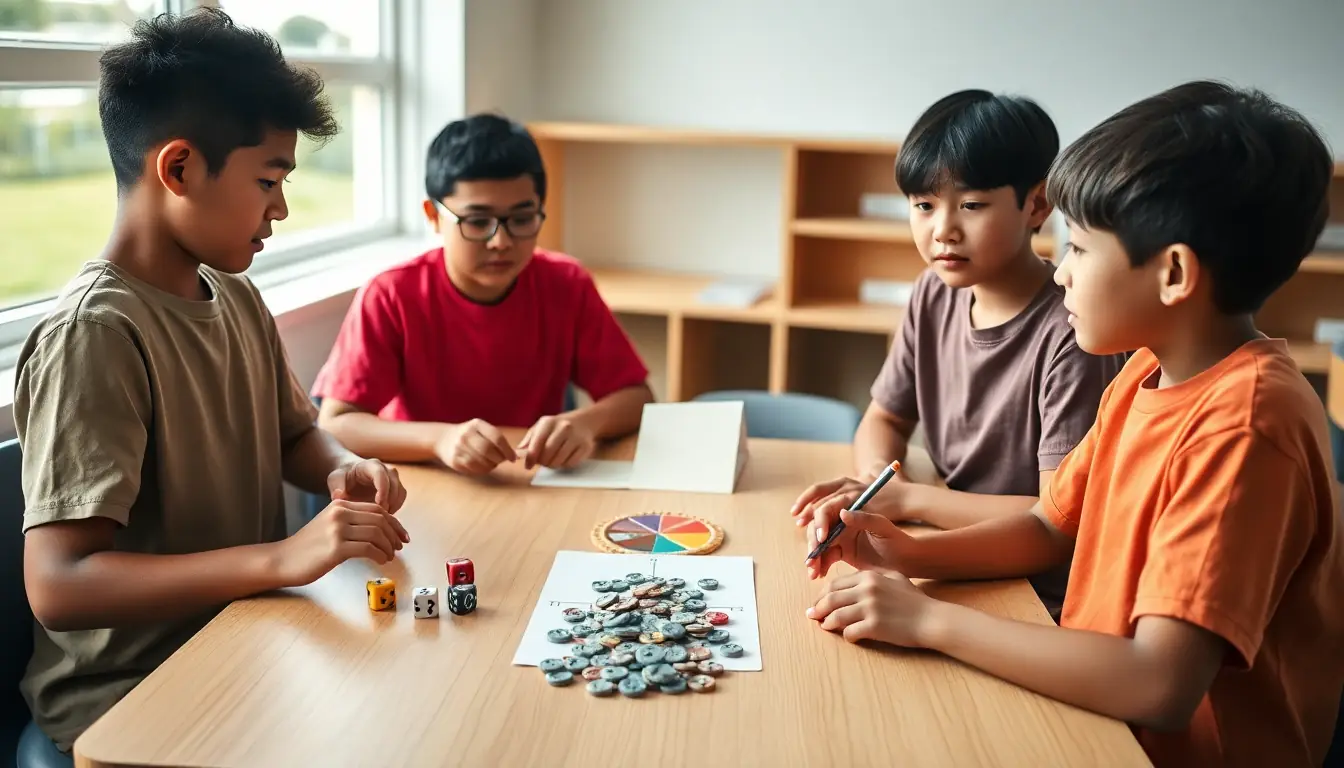
- 20 minIn groups, design a gala game using dice, spinners, cards or a bag of counters. Write the rules and work out the theoretical chance of winning.
- 15 minTohu asks one question about your game: how will you know if it is fair? Plan how to test it.
- 5 minPredict how many wins you expect in 100 plays.
Session 2 · SOLVE: Verify
The 100-trial test
- 10 minSet up the recording sheet: trial number, outcome, running total of wins.
- 30 minPlay your game at least 100 times, taking turns. After every 10 trials, work out the running percentage of wins and plot it on a line graph.
- 10 minCompare with your prediction. Does the line settle near the theoretical probability?
Getting started
Use a game with only two outcomes (win or lose) and a one-page recording sheet.
Stretch
Use a spreadsheet or Polypad to simulate 1,000 plays. How close does it get to the theory?
Checkpoint
Every group has a game, its theoretical probability, and the results of at least 100 real trials.
Activities for this week
- Gala game 100-trial test: Does our gala game give players the chance we say it does?
Useful this week
- Polypad ↗ Virtual dice, coins and spinners that can run hundreds of trials and graph them.
- Year 7 & 8 probability ideas ↗ New Zealand probability activities and teaching ideas for this age group.
- Probability ↗ Games and puzzles for testing fairness and reasoning about chance.