English · World 4 of 8 · Years 7–8
Word Weavers: Poetry and Performance
Read poems out loud, steal a poet's tricks, write your own and perform it live at a class poetry café.
Big question: How can a few carefully chosen words make an audience see, hear and feel something they will remember?
- You'll make
- A short collection of your own poems (at least three different forms) and one poem rehearsed and performed at a live class poetry café, with a printed or digital class anthology.
- For
- Whānau, a junior class and invited guests at a class poetry café, plus readers of the class anthology in the school library.
- Time
- 5 weeks · 2 sessions a week
Your mission
Why it matters
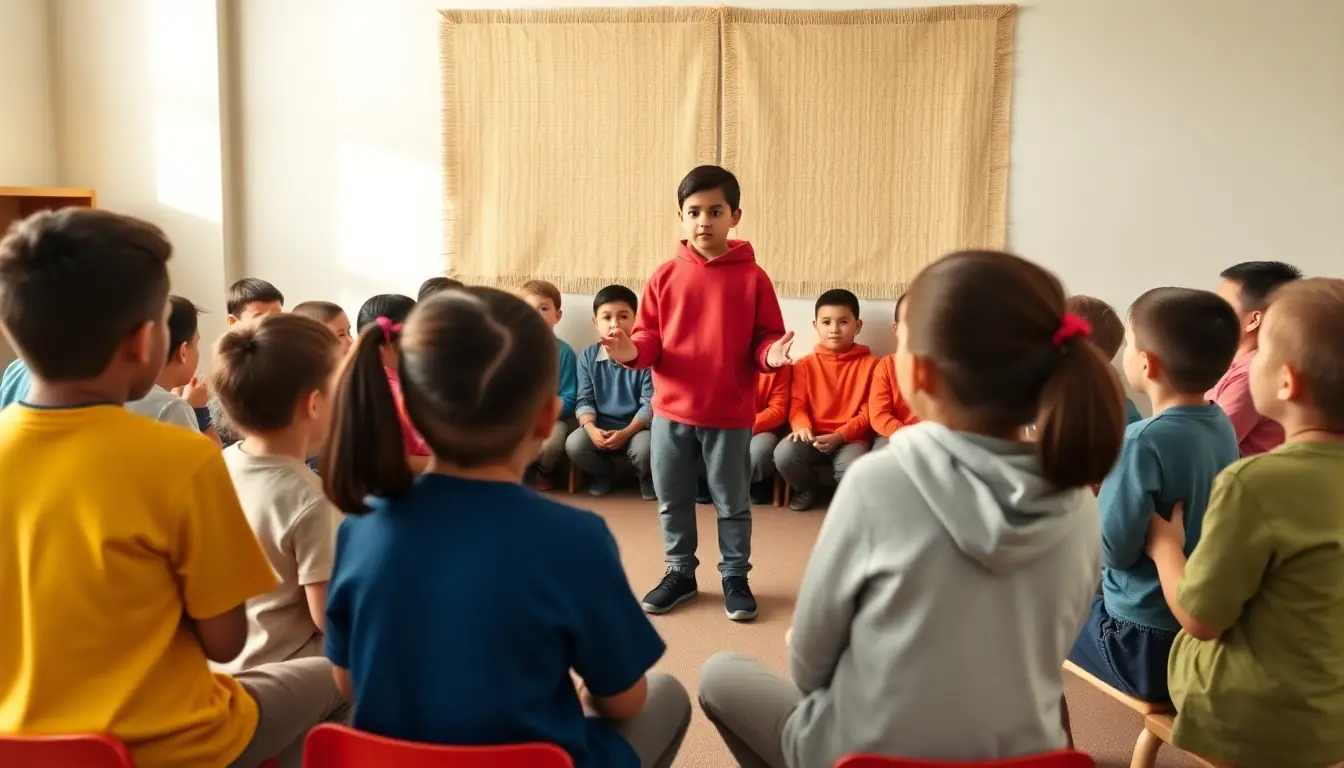
Each August, New Zealand celebrates National Poetry Day with readings in libraries, cafés and schools. Your class has been asked to run a poetry café for whānau and a junior class. Every poem has to be written by you, and every poem has to be performed, not just read off a page.
Poetry is the most compact kind of writing there is. When you learn to make every word count in a poem, your stories, speeches and reports get sharper too. Performing a poem also builds the voice, timing and confidence you need whenever you stand up in front of people.

Your first step
Go outside for five minutes with a notebook. Write down ten things you can hear, see, smell or feel. These are the raw threads you will weave into your first poem.
Make it yours
Choose a context
Same big question, three different places to explore it. Pick the one that fits your class and community.
Poems of our place
Write about somewhere that matters to you: the beach, the bush track, the marae, the bus stop, the family kitchen. Walk it, listen to it and turn it into images. Good for coastal, rural and urban schools alike.
Voices of Te Moana-nui-a-Kiwa
Read and listen to Māori and Pacific poets such as Hone Tuwhare and Selina Tusitala Marsh, then write poems about family, language and belonging that draw on your own heritage, whatever it is.
Poems that speak up
Spoken word and slam poems about something you care about: a local stream, fairness at school, climate, or kindness online. Aim to move an audience, not just describe.
AUTHOR
Week by week
Two sessions a week, each with Getting started and Stretch support so the whole class works together.
- W1Who is poetry for, and what makes it different from other writing?Audience: Poetry café launch · Understand: What makes a poem a poem?
- W2Read closely: images, sounds and feelingsUnderstand: Close reading: Tuwhare and Glover · Techniques: The poet's toolkit
- W3Try different forms and hear poets from Aotearoa and beyondTechniques: Form workshop · Hear Voices: Poets on stage
- W4Workshop your poems with other voices, then shape your best oneHear Voices: Poetry circle feedback · Organise: Revise and arrange
- W5Rehearse, perform and reflectOrganise: Score your poem for performance · Respond: Poetry café
Hands-on
Activities
Investigations and projects that fit the weeks above. Open one to see what you need and how you'll know it worked.
Sound walk poemWhat does our place sound like when we really listen?Open
You need: notebook and pencil · a timer · an outdoor space (school field, garden, beach or park)
- Stand or sit still with eyes closed for two minutes. Just listen.
- Write every sound you heard, near and far. Aim for 15.
- Next to each sound, write what it reminded you of (a simile or metaphor).
- Pick your best five lines and arrange them from quietest to loudest, or far to near.
- Add a final line that tells how the place makes you feel.
How you'll know: Your poem uses real sounds you heard, not guesses, and a reader can picture the place without being told its name.
Safety: Stay inside the agreed boundary and within sight of the teacher. At the beach or a stream, stay well back from the water's edge.
Go further: Repeat the walk at a different time of day and write a second poem. Put them side by side.
Fits week 1 →Blackout poemCan you find a poem hiding inside someone else's words?Open
You need: photocopied page from an old newspaper, magazine or school newsletter · pencil · black marker or dark crayon
- Skim the page and lightly circle 15–20 words that jump out at you.
- Read your circled words in order. Look for a message, image or mood.
- Narrow down to the words that make your poem. Keep them in the order they appear.
- Black out or decorate everything else, leaving your poem showing.
- Give it a title and read it aloud to a partner.
How you'll know: Someone reading only the uncovered words can follow a clear idea or feeling.
Safety: Use markers in a ventilated room, and cover the desk.
Go further: Make a second blackout poem from the same page that says the opposite of the first.
Fits week 2 →Metaphor machineHow can comparing two unlike things make a feeling easier to see?Open
You need: two piles of cards: one with objects (jandal, kettle, lighthouse, rugby ball…), one with feelings or ideas (courage, homesickness, Monday…) · notebook
- Draw one object and one feeling.
- Write three metaphors joining them: 'Courage is a lighthouse…'.
- Add a detail that explains the link: '…still standing when the storm has gone home.'
- Swap cards with a partner and try again.
- Choose your strongest line and build a four-line poem around it.
How you'll know: Your metaphor makes a reader nod or smile because the comparison fits in a surprising way.
Go further: Turn one metaphor into an extended metaphor that lasts through a whole poem.
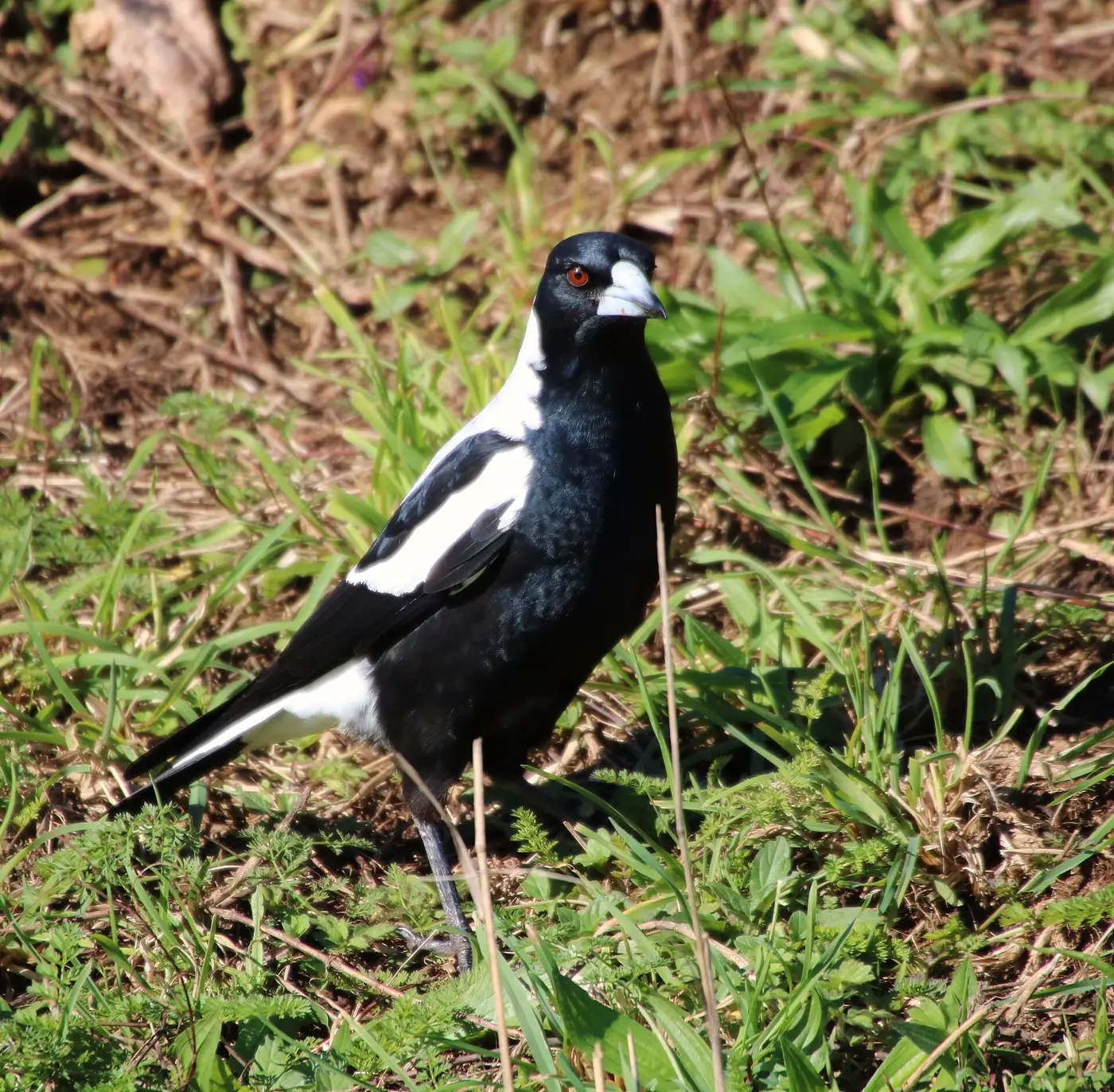
Fits week 2 →Magpie remix: a chorus poemHow can sound and repetition hold a poem together?Open
You need: a copy or recording of Denis Glover's 'The Magpies' · notebook · a local bird or everyday sound to use
- Listen to 'The Magpies' and clap along with the refrain. Notice where it comes back.
- Choose a sound from your own world (a tūī, a school bell, a washing machine, rain on a tin roof).
- Invent an onomatopoeic refrain for it, one line long.
- Write three short stanzas that tell a tiny story, with your refrain after each stanza.
- Perform it as a group, with everyone joining in on the refrain.
How you'll know: The refrain changes feeling as the story moves on, even though the words stay the same.
Go further: Make the last refrain slightly different so it surprises the audience.
Fits week 3 →Where I'm from poemWhat small details tell the story of who you are?Open
You need: notebook · a list of prompts: food, sayings, objects at home, places, songs, people
- Brainstorm ten specific details from your life (not 'food' but 'Nana's pani popo on Sunday').
- Begin lines with 'I am from…' and use one detail in each line.
- Include at least one saying, word or phrase from your family's language or a place you love.
- Group the lines into stanzas: home, people, places, dreams.
- End with a line that looks forward.
How you'll know: The poem is full of specific nouns and could only have been written by you.
Safety: You choose what to share. It is fine to keep some details private or write about a place rather than people.
Go further: Write a 'where we're from' version with the whole class, one line each, for the anthology's first page.
Fits week 3 →Line-break labHow does where you end a line change how a poem sounds and what it means?Open
You need: one sentence from your draft · strips of paper · scissors
- Write your sentence out three times on separate strips.
- Cut each strip into lines in a different place.
- Read each version aloud. Where does your voice pause? Which word gets the spotlight?
- Try putting one word on a line by itself.
- Choose the best version and explain your choice to a partner.
How you'll know: You can explain why the last word of each line matters.
Safety: Use scissors carefully and pass them handle first.
Go further: Try a shape poem where the line breaks draw the subject on the page.
Fits week 4 →Performance scoringHow do you plan a performance so every word reaches the back of the room?Open
You need: a clean copy of your poem · coloured pencils · a partner · a phone or tablet to record (optional)
- Mark pauses (/ short, // long), words to stress (underline) and places to slow down (wavy line).
- Plan one gesture or movement that fits the poem's meaning.
- Perform to your partner from the other side of the room.
- Partner gives one 'keep' and one 'try'.
- Perform again and notice the difference.
How you'll know: Your partner can hear every word from across the room and can tell you the poem's main feeling.
Go further: Learn your poem by heart and perform without the page.
Fits week 5 →Look closer
From the real world
Background reading
Read to understand
Short readings written for Kōkiri Learn students, with their sources.
- What makes a poem?Poems squeeze big feelings into a few words using line breaks, images and sound. Here is how to spot what a poem is doing.
- The poet's toolkitA quick guide to the language features poets use, with examples from everyday life in Aotearoa.
- From page to stage: spoken word and slamPoetry began as something spoken aloud. Learn how performance poets use voice, pause and gesture, and meet some poets from Aotearoa.
Trusted NZ sites
Explore more
Placed at the stage of the journey where each one helps.
Audience
NZ Poetry Shelf ↗Paula Green
New Zealand poems, interviews with poets and regular features for young readers and writers.
Understand
Poetry ↗Te Ara Encyclopedia of New Zealand
The story of poetry in Aotearoa and the poets who shaped it.
Understand
Poems for children ↗Poetry Foundation
A large collection of poems chosen for young readers from around the world.
Techniques
Glossary of poetic terms ↗Poetry Foundation
Clear definitions and examples for every device and form you meet.
Hear Voices
The Children's Poetry Archive ↗Poetry Archive
Hear poets read their own poems aloud.
Hear Voices
Tuwhare ↗NZ On Screen
A documentary about Hone Tuwhare, one of Aotearoa's best-loved poets.
Organise
Speech New Zealand ↗Speech NZ
Tips and programmes for speaking and performing poetry.
Respond
Services to Schools ↗National Library of New Zealand
Borrow poetry collections for your class and find reading ideas.
Real audiences
- Whānau and friends at a class poetry café
- A junior class, who hear the poems performed and choose favourites
- School library readers through a printed class anthology
- The school assembly or community radio for National Poetry Day in August
Work with other schools
- Swap 'poems of our place' with a class in a different part of Aotearoa (city and rural, north and south) and write a response poem to one you receive.
- Hold a joint online poetry café with a partner school, alternating performers.
- Build a shared digital anthology where each school adds a section with its own theme.
Stretch challenges
- Compile a class anthology with a contents page, poets' notes and a cover designed by the class, and donate a copy to the school library.
- Enter a poem in a national writing competition for young people or send it to a children's poetry blog that publishes student work.
- Write a pair of poems on the same topic from two different perspectives, then perform them together.
- Set one of your poems to a simple beat or melody and compare how music changes it.
New Zealand Curriculum
What this world covers
Mapped to the refreshed Phase 3 statements. The whole class covers both the Year 7 and Year 8 sequences over two years.
English · Reading
Reading a selection of poetry and explaining how language features such as repetition, hyperbole and imagery shape meaning
Year 7 sequence
English · Writing
Writing to entertain: stanzas, sensory language and carefully chosen words that help readers visualise and feel
Year 7 sequence
English · Oral language
Presenting: varying pace, volume and tone, and using gesture and expression to support meaning
Year 7 sequence
English · Reading
Comparing and synthesising themes across poems, including poetry that aims to persuade
Year 8 sequence
The Arts · Performing arts (dance and drama)
Movement, gesture and props as symbols in a live performance
Year 7 sequence
For teachers: how to run it
Prep: gather 10–15 short poems of varied form and mood (print them large). Good starting points: Hone Tuwhare's 'Rain', Denis Glover's 'The Magpies', poems from Paula Green's anthologies for children, Selina Tusitala Marsh's 'Mophead' (a graphic memoir for this age), Langston Hughes' 'Dreams', and recordings on the Children's Poetry Archive. Check copyright before copying whole poems; reading aloud and displaying in class for study is fine. Protocols: set up a 'poetry circle' agreement early (snap or click to appreciate, no put-downs, the writer decides whether to share). Some students will write about grief, family or identity; let them choose a private poem and a public one, and follow up with care if a poem raises a concern. When studying Māori and Pacific poets, focus on their craft and ideas; do not ask students to imitate karakia, waiata or other sacred forms. If a student wants to use te reo or a heritage language in a poem, encourage it and check with whānau or your school's kaiārahi for accuracy. Differentiation: offer frames (list poem, 'I am' poem, haiku) for reluctant writers; let confident writers try free verse, a sonnet or a two-voice poem. Students who find performing hard can perform in pairs, record audio, or read from behind a prop. Kuaka asks a question at the drafting stage only; it never writes lines for students. Links: the Arts world on performance and the Kōkiri Lab place-based worlds make good subjects for 'poems of our place'.
Plan this world into any term with the two-year planner. Students can record their thinking in their Kōkiri Learn portfolio.






Ready to run it with your class?
Free trial for NZ schools. One combined Years 7–8 class, any term.