
Social Sciences · World 8 of 8 · Years 7–8
Our Money, Our Community
Pick a real council decision, cost your own plan, spot the tricks in ads and scams, and have your say where it counts.
Big question: Who decides how money is spent in our community, and how can we make smart, fair decisions about money, together and on our own?
- You'll make
- A costed community proposal and a written submission on one live council decision, presented to a councillor or community board, plus a 'Money Smarts' guide for whānau on payment methods, interest, consumer rights and scams.
- For
- Your local council or community board, who receive your submission and hear your proposal, and whānau at home and in the school newsletter, who use your Money Smarts guide.
- Time
- 5 weeks · 2 sessions a week
Your mission
Why it matters
Your local council is asking the public what it should spend money on next, and almost nobody under 18 has had their say. Your class will follow one live council decision, find out how rates pay for it and who gets a voice, then build a costed proposal and make a submission. Along the way you will learn how to handle your own money, from budgets and bank cards to your rights as a shopper and how to spot a scam, and turn it into a guide for your whānau.
Every day, decisions about money shape your life: whether the park gets new equipment, whether the bus runs past your street, and whether the phone game you play is quietly nudging you to spend. Councils spend millions of dollars of rates on things you use, and young people are allowed to have their say. Knowing how decisions are made, how to plan a budget, how interest grows and how to protect yourself from scams will help you, your whānau and your community for the rest of your life.

Your first step
Look at your council's website or local paper with an adult and find one thing the council is asking the public about right now. Write down what it is and the date submissions close.
Make it yours
Choose a context
Same big question, three different places to explore it. Pick the one that fits your class and community.
A live council decision
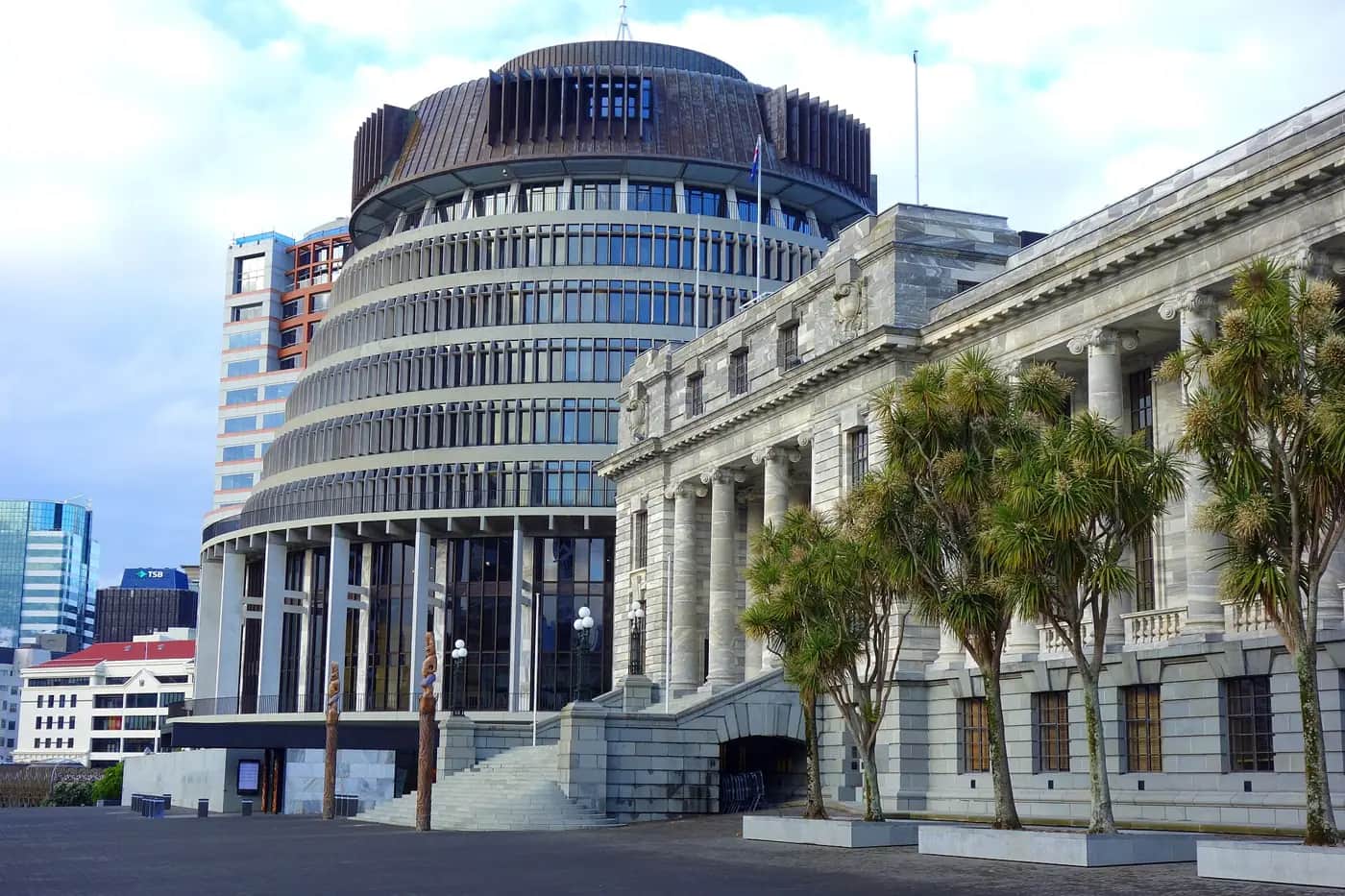
Follow one real decision your council is consulting on, such as its Long-Term Plan or Annual Plan, a new playground or skate park, library hours, cycleways or water charges. Read the consultation document, interview someone from the council, and make a submission before the deadline. Works for any town or city.
A class enterprise or shared fund
Run a small enterprise, such as a market stall of seedlings and baking, or a shared fund that pools money for something the whole class values, like a school garden or a trip. Learn from papakāinga, where whānau pool land and resources to build homes around a marae. Suits rural and urban schools, and classes with strong marae or Pacific church connections.
Money in a digital world
Investigate the money pressures young people meet online: in-game purchases, influencer adverts, 'buy now, pay later', overseas websites priced in other currencies, and scam messages. Build a guide that helps whānau and younger students stay safe. Ideal for any class, and especially for students who game or shop online.
TRACE
Week by week
Two sessions a week, each with Getting started and Stretch support so the whole class works together.
- W1Where does our money go? Our place, our council and our dollarTime & Place: A day with the council · Time & Place: Choosing our decision, and where the dollar came from
- W2Who decides, and who gets a say?Relationships: Everyone with a stake · Relationships: Pooling and sharing
- W3Who is telling us what? News, opinions and advertsAccounts: Fact, opinion or belief? · Accounts: Advert autopsy
- W4What happens when...? Payments, interest and fixing problems fairlyCauses & Consequences: Cash, debit, credit and interest · Causes & Consequences: When things go wrong
- W5Is our plan fair, affordable and safe? Test it, then have our sayEvaluate: Budget workshop · Evaluate: Have our say

Hands-on
Activities
Investigations and projects that fit the weeks above. Open one to see what you need and how you'll know it worked.
Rates detectiveWhere does every $100 of rates go in our community?Open
You need: your council's annual report or rates summary (printed or online) · a pie chart template or protractor · coloured pencils · a calculator
- Find the page that shows how the council spends its money, by activity.
- Round each amount to show how much of every $100 goes to roads, water, waste, parks, libraries and other services.
- Draw and label a pie chart.
- Circle the service you use most and the one you knew least about.
- Write two questions to ask a councillor about the spending.
How you'll know: Your pie chart adds up to $100, every slice is labelled, and you can explain the largest slice.
Go further: Compare your council's spending with a neighbouring council's. Why might they be different?
Fits week 1 →Currency converter challengeWhat is the NZ dollar worth, and why does it change?Open
You need: today's exchange rates (from a bank or news website) · price cards for the same item in NZD, AUD, USD, FJD and TOP · a calculator
- Record today's exchange rate for four currencies against the NZ dollar.
- Convert each price card into NZ dollars.
- Add shipping and GST for items bought from overseas.
- Decide which option is really cheapest once everything is added.
- Write one reason why a New Zealand family sending money to relatives in Tonga or Sāmoa would care about exchange rates.
How you'll know: Your conversions are accurate, and you can explain why the cheapest sticker price is not always the cheapest option.
Go further: Find the exchange rate for the Australian dollar a year ago and work out whether your item would have cost more or less then.
Fits week 1 →Pooling gameWhy do groups sometimes manage money together?Open
You need: counters or paper tokens · cards for a 'community project' (a shared garden, a van, a water tank) · a rules sheet
- Each group member receives a different number of tokens. Check: can anyone afford the project alone?
- Discuss whether to pool your tokens. What would each person get in return?
- Write three rules for your pool: who decides, how the benefit is shared, and what happens if someone leaves.
- Play two rounds, with a surprise cost card in round two.
- Compare your rules with how papakāinga, clubs or co-ops manage shared resources.
How you'll know: Your group can explain why pooling let you do something none of you could do alone, and how your rules kept it fair.
Go further: Interview someone involved in a club, church, marae or co-op about how they decide to spend shared money.
Fits week 2 →Fact or opinion? News sortWhich information about our council decision can we trust?Open
You need: three printed sources about the live decision · highlighters in two colours · the source-detective card
- Read each source and fill in who wrote it, when and why.
- Highlight facts in one colour and opinions in the other.
- Pick one number or claim and check it against the council's own document.
- Note any source that shares information unfairly, for example by leaving out an important option.
- Choose the two sources you would use in your submission and explain why.
How you'll know: You can show at least three facts and three opinions correctly sorted, and you have checked one claim against another source.
Go further: Write a short, fair summary of the decision that a younger student could understand, with no opinions in it.
Fits week 3 →Advert autopsyHow do adverts, apps and influencers try to make us spend?Open
You need: three adverts (print, an influencer post and an in-game shop screenshot) · sticky notes · the pressure-tricks list
- For each advert, write who made it and what they want you to do.
- Label every pressure trick you can find: urgency, scarcity, celebrity, free trials, hidden costs, bright buttons, loot boxes.
- Check: is the influencer post clearly labelled as an ad?
- Rate how strong the pressure is on a scale you agree as a class.
- Rewrite one advert so it is honest and gives the buyer the information they need.
How you'll know: You have found at least four tricks and can explain how one of them works on people's feelings.
Go further: Design a 'think before you buy' pop-up for a game that would help players make calmer choices.
Fits week 3 →Interest race: borrowing vs savingHow fast does money grow when you borrow or save?Open
You need: a calculator or spreadsheet · graph paper · the interest table template
- Start with $100 borrowed on a credit card at about 20% a year. Work out the balance after each year for three years if nothing is paid back.
- Start with $100 saved at 5% a year. Work out the balance after each year for three years.
- Graph both lines on the same axes.
- Compare cash, debit and credit: which one uses your own money and which one is borrowing?
- Write a tip for the Money Smarts guide based on your graph.
How you'll know: Your table and graph show that interest is added to interest, and you can explain why debt can grow faster than savings.
Go further: Use the Sorted savings calculator to find out how long it takes to save $500 with a small weekly amount.
Fits week 4 →Consumer rights scenariosWhat are your rights when something you buy goes wrong?Open
You need: scenario cards (faulty headphones, a jacket that doesn't match its photo, a change of mind, a phone broken after a drop, a gig ticket for a cancelled show) · a Consumer Guarantees Act summary · role cards (customer, shop worker)
- Read your scenario and decide: is this covered by the Consumer Guarantees Act?
- Role-play the conversation: the customer explains calmly, the shop worker responds.
- Decide what should happen: repair, replace, refund, or nothing because it is not covered.
- If the shop says no, choose the next step on the resolution ladder.
- Write a 'Know your rights' box for the Money Smarts guide.
How you'll know: You can explain which scenarios are covered and why, and name the next step if a business will not fix a problem.
Go further: Find out how the Disputes Tribunal works and what kinds of problems it can decide.
Fits week 4 →Costed proposal and submissionCan we turn our ideas into a plan the council will take seriously?Open
You need: the council consultation document · a budget sheet with real price quotes · the submission template
- Decide what your class wants the council to do and why.
- List every cost, including set-up, running costs and upkeep over five years.
- Stress-test it: swap with another group to find hidden costs or inflated quotes.
- Write the submission: your request, your reasons, your evidence and the costs.
- Present it to a council representative and send it before the closing date.
How you'll know: Your proposal includes every cost with a source, explains trade-offs, and has been submitted to the council.
Safety: Submissions become public. Use the class or school name, not students' home addresses or personal details.
Go further: Write a short speech for the council hearing, if the council holds one, and practise it.
Fits week 5 →Scam spotterHow can you tell when a message is trying to trick you?Open
You need: a set of invented messages (texts, emails, game chat and social media offers), clearly marked as made up · a warning-signs checklist
- Sort the messages into 'probably safe' and 'probably a scam'.
- For each scam, circle the warning signs: urgency, a prize you did not enter, requests for passwords or bank details, payment by gift card, strange links or spelling.
- Agree three steps to take: stop, check with a trusted adult, report to Netsafe or Scamwatch.
- Write a scam you might meet in a game and how you would respond.
- Turn your steps into a poster for the Money Smarts guide.
How you'll know: You can name at least four warning signs and the steps to take if you are unsure.
Safety: Never click links or reply to real suspicious messages, and never share passwords or codes, even with friends.
Go further: Interview an adult at home about a scam they have heard of, and add their tip (without names) to the guide.
Fits week 5 →Look closer
From the real world
Background reading
Read to understand
Short readings written for Kōkiri Learn students, with their sources.
- Who decides? Councils, rates and having your sayYour local council spends millions of dollars on things you use every day. Here is how it decides, and how you can be part of it.
- Dollars, budgets and pooling togetherMoney only works because people trust it. Budgets help us choose what matters most, and pooling lets groups do what nobody could do alone.
- Your rights as a shopper, and the pressure to buyNew Zealand laws protect you when you buy things. Knowing them, and knowing how adverts work on you, helps you make calmer choices.
- Cards, interest, KiwiSaver and scamsSome ways of paying spend your own money and some are borrowing. Interest can work for you or against you, and scammers are always looking for a way in.
Trusted NZ sites
Explore more
Placed at the stage of the journey where each one helps.
Time & Place
Local government in New Zealand ↗Local Government New Zealand
What councils do and how they are organised across Aotearoa.
Time & Place
Local and regional government ↗Te Ara – The Encyclopedia of New Zealand
How local government works today and where the money comes from.
Relationships
Make a submission ↗New Zealand Parliament
A clear guide to writing a submission, useful for councils too.
Relationships
Māori housing: new housing schemes and papakāinga ↗Te Ara – The Encyclopedia of New Zealand
How whānau and iwi have pooled land and resources to build papakāinga.
Relationships
Sorted in Schools resources ↗Sorted – Te Ara Ahunga Ora Retirement Commission
Free New Zealand money-education lessons and tools.
Accounts
Advertising codes ↗Advertising Standards Authority
The rules adverts in New Zealand must follow, including ads aimed at young people.
Causes & Consequences
Consumer Guarantees Act ↗Consumer Protection – Ministry of Business, Innovation and Employment
Your rights when something you buy is faulty or not as described.
Causes & Consequences
Fair Trading Act ↗Consumer Protection – Ministry of Business, Innovation and Employment
The law that stops businesses misleading customers.
Causes & Consequences
Disputes Tribunal ↗Ministry of Justice
How everyday disputes are settled fairly without lawyers.
Causes & Consequences
Make a complaint ↗Ombudsman New Zealand
How the Ombudsman looks into complaints about councils and government agencies.
Evaluate
Savings calculator ↗Sorted – Te Ara Ahunga Ora Retirement Commission
Test how regular saving and interest add up over time.
Evaluate
KiwiSaver guides ↗Sorted – Te Ara Ahunga Ora Retirement Commission
What KiwiSaver is and how it grows, in plain language.
Evaluate
Scamwatch ↗Consumer Protection – Ministry of Business, Innovation and Employment
Current scams in New Zealand and how to report them.
Evaluate
Scams ↗Netsafe
How to spot and avoid online scams, and where to get help.
Real audiences
- Your local council, community board or youth council, who receive the class submission and hear the costed proposal
- Whānau at home and through the school newsletter, who use the Money Smarts guide
- Younger students, who learn the scam warning signs from a short talk
- The school board, if your proposal involves school grounds or spending
Work with other schools
- Pair with a class in another council area and compare how your councils spend rates and consult young people.
- Build one shared Money Smarts guide with a partner school, with each class writing different sections and checking the other's work.
- Hold a joint online citizens' assembly with another school on an issue that affects both communities, such as public transport or climate action.
Stretch challenges
- Run a mini citizens' assembly in class: a random group of students hears evidence on the live decision and writes recommendations.
- Compare how two councils in different parts of Aotearoa set their rates, and explain why a rural and a city council might differ.
- Research how KiwiSaver works and model, with the Sorted calculator, what regular saving from age 18 could grow to by 65.
- Investigate how the Ombudsman helped someone with a problem with a council or government agency, using a published case.
- Design a pooled-fund plan for a real class goal, with a budget, rules and a way to report back to everyone who contributed.
New Zealand Curriculum
What this world covers
Mapped to the refreshed Phase 3 statements. The whole class covers both the Year 7 and Year 8 sequences over two years.
Social Sciences · Civics and society
What councils do and how rates and taxes pay for it, councils' relationships with iwi and business, and informed citizenship: fact, opinion and ethical sharing of information
Year 7 sequence
Social Sciences · Civics and society
Core democratic values; influencing decisions through submissions, petitions and campaigns; peaceful resolution through tribunals, the Ombudsman and citizens' assemblies
Year 8 sequence
Social Sciences · Financial and economic activity
Currencies and the NZ dollar, group budgets and trade-offs, and pooling and sharing resources, including papakāinga, for financial sustainability
Year 7 sequence
Social Sciences · Financial and economic activity
Consumer rights and responsibilities, advertising and manipulative design, cash, debit and credit, interest and debt, KiwiSaver and protecting yourself from scams
Year 8 sequence
Mathematics and Statistics · Number
Percentages, rates and repeated percentage growth to calculate interest, GST and exchange rates in real money problems
Year 8 sequence
For teachers: how to run it
This world covers the Phase 3 Civics and Financial and Economic Activity content in the proposed Social Sciences statement (August 2026), taught in Cycle A Term 4 around one live council decision and in Cycle B through a class enterprise. Year 7 content: active participation and civic responsibility; what the council does and how rates and taxes pay for it; councils' relationships with iwi and business; fact versus opinion; currencies and the NZ dollar; what a business is; group budgets, trade-offs and pooling resources, including papakāinga. Year 8 content: core democratic values and government by consent; influencing decisions through MPs, submissions, petitions, campaigns and protest; peaceful resolution through elections, courts, the Disputes and Tenancy Tribunals, the Waitangi Tribunal, the Human Rights Commission, the Ombudsman and citizens' assemblies; consumer rights and responsibilities; advertising, influencers and manipulative design; payment methods, interest, credit and debt; investing and KiwiSaver; and scams. In a combined class, use the joint budget workshop from the teaching detail: one group builds the budget, another stress-tests it for interest, hidden costs and inflated quotes. Prep: in week 1 pick one live consultation from your council (check the closing date falls inside the five weeks, or use the Annual Plan or Long-Term Plan), print the consultation summary and the rates breakdown from the council's annual report, and invite a councillor, community board member or council engagement officer for week 5. Many councils run youth councils; invite a member. Sensitivity: money is personal and some whānau are under real financial pressure. Never ask students to share household income, debts, benefits or spending; use the fictional whānau budgets and scenario cards provided, and let students opt for a fictional character in any reflection. Treat gambling-like features (loot boxes) factually. For scams, use invented messages, never real ones that include names or links, and remind students never to click links in class. Papakāinga and council relationships with iwi should be explained by the people involved where possible: contact your local marae or hapū trust, or the council's iwi liaison, and do not ask students to present tikanga they have not been taught. Differentiation: calculator-supported budget templates with price cards; stretch students to compare compound and simple interest in a spreadsheet, model a KiwiSaver balance with the Sorted savings calculator, or draft a citizens'-assembly protocol. Misconceptions to listen for: 'the council is the government' (local and central government have different jobs), 'a debit card is borrowing' (it spends your own money; credit is borrowing), 'if it's on sale it's a good deal', and 'only old people get scammed'. Kōkiri Lab link: the Permaculture Design Course community and market-analysis modules show how groups pool resources and cost a real project.
Plan this world into any term with the two-year planner. Students can record their thinking in their Kōkiri Learn portfolio.
More Social Sciences worlds
 4 weeksTō Mātou Rohe: Stories of Our Place
 5 weeksMana Motuhake: Power, Decisions and People
 5 weeksTe Awa Tupua: Rivers, Floods and People
 5 weeksWhy We Move: Migration and Belonging
 5 weeksShaky Isles: Hazards and Getting Ready
 5 weeksSilk Roads and Sea Routes: When Worlds Trade
 5 weeksStanding Up: Civil Rights and Youth Voice
Ready to run it with your class?
Free trial for NZ schools. One combined Years 7–8 class, any term.