Social Sciences · World 7 of 8 · Years 7–8
Standing Up: Civil Rights and Youth Voice
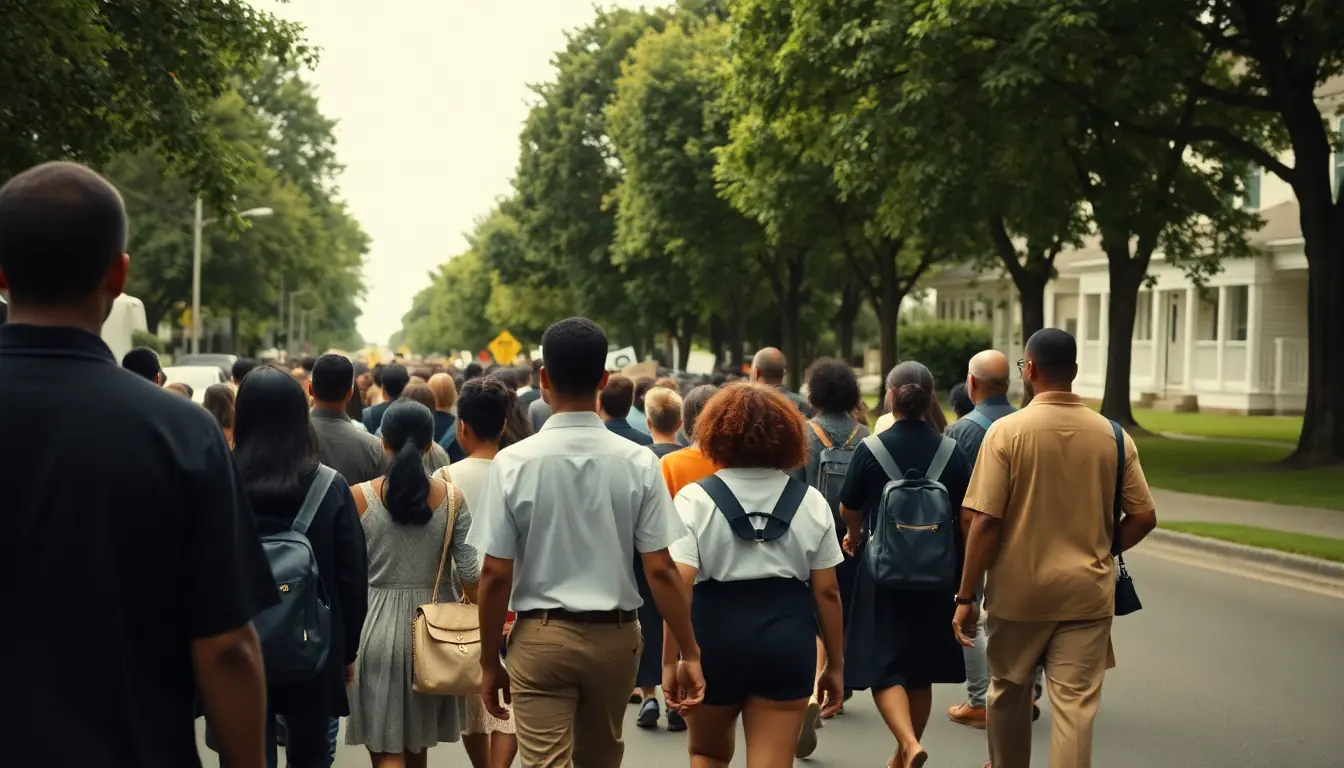
Teenagers sat at lunch counters, walked into schools and marched for rights. What worked, and how can your voice change things now?
Big question: When a law or a rule is unfair, how do ordinary people, including young people, change it, and which ways of standing up work best?
- You'll make
- A 'Standing Up' exhibition: a living timeline from 1865 to 2021, source cards on young people in the US Civil Rights Movement and in Aotearoa, and a strategy scorecard, plus a youth-voice action plan (a petition, submission or letter) on one real issue in your school or community.
- For
- Your school community and whānau at an exhibition evening or assembly, and the person who can act on your youth-voice issue: the principal, the school board, your local council or a council youth council.
- Time
- 5 weeks · 2 sessions a week
Your mission
Why it matters
Your school has been asked to create an exhibition for Race Relations Day or Te Wiki o te Reo Māori about people who stood up against unfair laws. The organisers want the story told through the young people who were there: the teenagers of Little Rock and Greensboro, the children who marched in Birmingham, the young Pacific activists of Ponsonby and the students who carried a petition for te reo Māori to Parliament. Then they want your class to use what you learn on an issue that matters to young people today.
Rights that people take for granted today, like going to any school, sitting anywhere on a bus, voting, or hearing te reo Māori in classrooms, were won by people who refused to accept unfair rules. Many of them were teenagers, not much older than you. Learning how they organised, what they risked and which strategies worked helps you understand the world you live in. It also shows you practical, peaceful ways to be heard, from a petition to a submission, when you see something that needs to change.
Your first step
Tonight, ask an adult at home: 'Can you remember a time when people protested, signed a petition or marched to change something in Aotearoa?' Write down what they remember and when it happened.
Make it yours
Choose a context
Same big question, three different places to explore it. Pick the one that fits your class and community.
The American South, 1954–1965
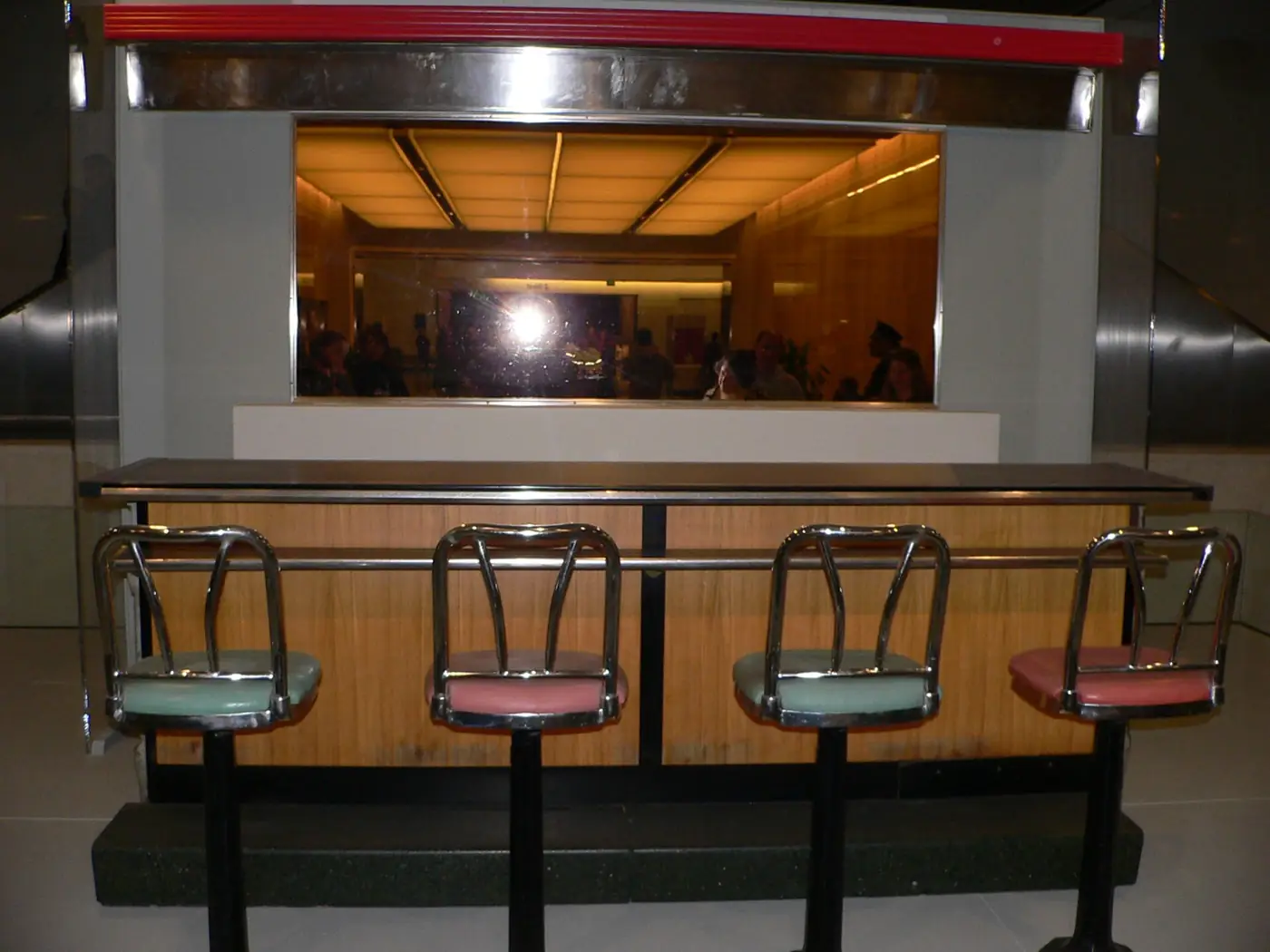
Follow the young people of the US Civil Rights Movement through photographs, court papers and speeches: Claudette Colvin and the Montgomery bus boycott, the Little Rock Nine, the four Greensboro students at the Woolworth's lunch counter and the children who marched in Birmingham. Ideal for a class that wants a deep dive into one world-changing movement.
Aotearoa: Ponsonby, Parliament and a petition
Study the Polynesian Panthers, founded in Ponsonby in 1971, the Dawn Raids of 1974–76 and the government apology of 2021, and Ngā Tamatoa and the 1972 Māori language petition signed by more than 30,000 people. Works especially well for classes with strong Pacific or Māori-medium connections, alongside Te Wiki o te Reo Māori in September.
Youth voice here and now
Start from a real issue young people in your school or town care about: a safe road crossing, a skate park, school lunches, climate action, or the Make It 16 campaign for a lower voting age. Compare the strategies you could use with those used in the past, and carry out one of them. Suits any school, city or rural.
TRACE
Week by week
Two sessions a week, each with Getting started and Stretch support so the whole class works together.
- W1Where and when? From the end of slavery to Jim CrowTime & Place: Free, but not equal · Time & Place: Two places, two times
- W2Who stood together? Organisations, leaders and thousands of ordinary peopleRelationships: 381 days of walking · Relationships: Standing shoulder to shoulder in Aotearoa
- W3What do the sources say? Photographs, speeches and talanoaAccounts: Reading a photograph · Accounts: Two accounts of the Dawn Raids
- W4What changed, and why? Causes and consequencesCauses & Consequences: From lunch counters to new laws · Causes & Consequences: Apology and revival in Aotearoa
- W5Which strategies work? Judge them, then use oneEvaluate: Strategy scorecard · Evaluate: Open the exhibition
Hands-on
Activities
Investigations and projects that fit the weeks above. Open one to see what you need and how you'll know it worked.
Living timeline, 1865 to 2021How long did it take for rights to be won, and what was happening in Aotearoa at the same time?Open
You need: a long string or rope · pegs · printed photographs and date cards · sticky notes · a world map
- Stretch the string across the room and mark every ten years from 1860 to 2030.
- Peg each photo and date card in the right place. Read the card aloud as you peg it.
- Use one colour of sticky note for events in the USA and another for Aotearoa.
- Stand at 1955 and look both ways. What had already changed? What had not changed yet?
- Add one event from your own whānau history, such as when a grandparent was born.
How you'll know: Your timeline shows at least twelve events in order, in two colours, and you can explain one link between an event in the USA and one in Aotearoa.
Go further: Measure the gaps: how many years between the 13th Amendment and the Voting Rights Act? What does that tell you?
Fits week 1 →Boycott mathsHow much power do ordinary people have when they act together?Open
You need: a calculator · the boycott fact card (riders, fares, number of days) · graph paper
- Read the fact card: during the Montgomery bus boycott about 40,000 riders walked or shared cars instead of paying a 10-cent fare.
- Work out how much fare money the bus company would miss in one day if each rider took two trips.
- Scale it up to a week, a month and 381 days.
- Draw a bar graph of the missing fares over time.
- Write two sentences: why did the boycott put pressure on the city, and what did it cost the people who walked?
How you'll know: You can show your working, explain the size of the pressure the boycott created, and name at least one cost it had for the boycotters.
Go further: Find out how the boycott ended. Was it the money, the court case, or both?
Fits week 2 →Source detectives: see, think, wonderWhat can one photograph tell us, and what can't it?Open
You need: printed photographs (the 1972 petition, the Selma marchers, the 1964 signing, the Greensboro counter) · a see-think-wonder sheet · magnifying glasses
- Look at one photograph silently for one minute.
- Write everything you see, without guessing.
- Write what you think is happening, and the clue for each idea.
- Write three things you wonder.
- Read the caption and check your ideas. Then write what the photograph cannot tell you.
How you'll know: Your sheet separates what you saw from what you inferred, and names one thing the photo leaves out.
Go further: Find a second source about the same event and check one of your 'think' ideas.
Fits week 3 →Talanoa and the timelineHow do a personal story and an official record fit together?Open
You need: a printed talanoa extract from NZ History's Understanding Dawn Raids pages · the NZ History Dawn Raids timeline · highlighters in two colours
- Read the talanoa slowly, twice.
- Highlight facts (dates, places, what happened) in one colour and feelings or opinions in another.
- Find two facts you can check against the timeline, and check them.
- Write what the talanoa tells you that the timeline cannot.
- Write a respectful question you would ask the storyteller.
How you'll know: You have checked two facts, and you can explain why personal stories and official records are both needed.
Safety: Some stories describe frightening experiences. You can step out and talk to your teacher at any time. Be respectful: these are real people's memories.
Go further: Compare how the talanoa and the 2021 apology speech describe the same events.
Fits week 3 →Cause and consequence chainsHow did actions in the street lead to new laws?Open
You need: event cards (Greensboro sit-ins, Birmingham children's march, March on Washington, Selma marches, 1964 Act, 1965 Act) · long paper strips · string
- Lay the event cards in date order.
- Draw arrows between cards and write on each arrow how one event led to the next.
- Add a consequence card after each law: what changed in daily life?
- Mark each consequence as short-term or long-term.
- Add a card for something that did not change, or that people are still working on.
How you'll know: Your chain shows at least four links with a reason on each arrow, and at least one change that took a long time or is still going.
Go further: Make a matching chain for the 1972 te reo petition, ending with te reo Māori as an official language in 1987 and Māori-medium schools today.
Fits week 4 →Strategy scorecardWhich ways of standing up worked best, and for whom?Open
You need: strategy cards (boycott, sit-in, court case, march, petition, community services, voter registration) · a scorecard with five criteria · your notes from weeks 1–4
- Agree what each criterion means: who could take part, risk, time taken, whether it changed laws, whether the change lasted.
- For your strategy, find two pieces of evidence for each criterion.
- Rate each criterion low, medium or high, and write your reason.
- Write a verdict: when would this strategy work well, and when would it not?
- Compare with another group's strategy. What would happen if you combined them?
How you'll know: Every rating on your scorecard has a reason and evidence, and your verdict names a situation where the strategy would work.
Go further: Score a strategy from Aotearoa, such as the 1975 Land March or the 2021 apology petition, on the same card.
Fits week 5 →Youth-voice action planHow can young people be heard on something that matters to them today?Open
You need: an action plan template · Parliament's guide to petitions and submissions · contact details for the principal, board or council
- Choose one real issue your group cares about in the school or community.
- Find out who makes the decision (principal, board, council or Parliament).
- Gather two pieces of evidence, such as a class survey or a photo of the problem.
- Choose one respectful strategy, such as a petition, a submission, a letter or a presentation, and explain why it fits.
- Write it, get your teacher to check it, and deliver it to the decision-maker.
How you'll know: Your plan names a goal, the decision-maker, the strategy, your evidence and a first step, and you have delivered it.
Safety: Any survey, petition or event must be approved by your teacher and follow school rules. Keep personal details private and online actions safe.
Go further: Find out how the Make It 16 campaign used the courts, Parliament and the media, and compare its strategies with the ones on your scorecard.
Fits week 5 →Two-minute exhibition talkHow can you bring one young person's story to life for an audience?Open
You need: your source cards · a cue card · a timer
- Choose one young person: for example Claudette Colvin, Elizabeth Eckford of the Little Rock Nine, one of the Greensboro four, a Birmingham marcher, a Polynesian Panther or a petition organiser.
- Write three key facts, one quotation or detail from a source, and one lesson for today.
- Plan an opening line that makes your audience want to listen.
- Practise with a partner and time yourself. Cut anything that is not needed.
- Give the talk at the exhibition and answer one question from a visitor.
How you'll know: Your talk is under two minutes, uses evidence from a source and ends with a clear lesson.
Go further: Record your talk as a short podcast episode for the school website.
Fits week 5 →Look closer
From the real world
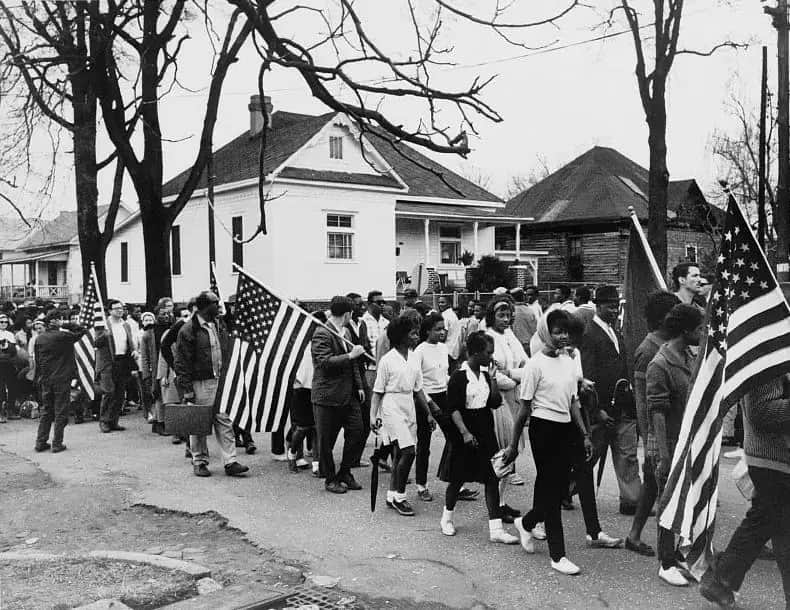
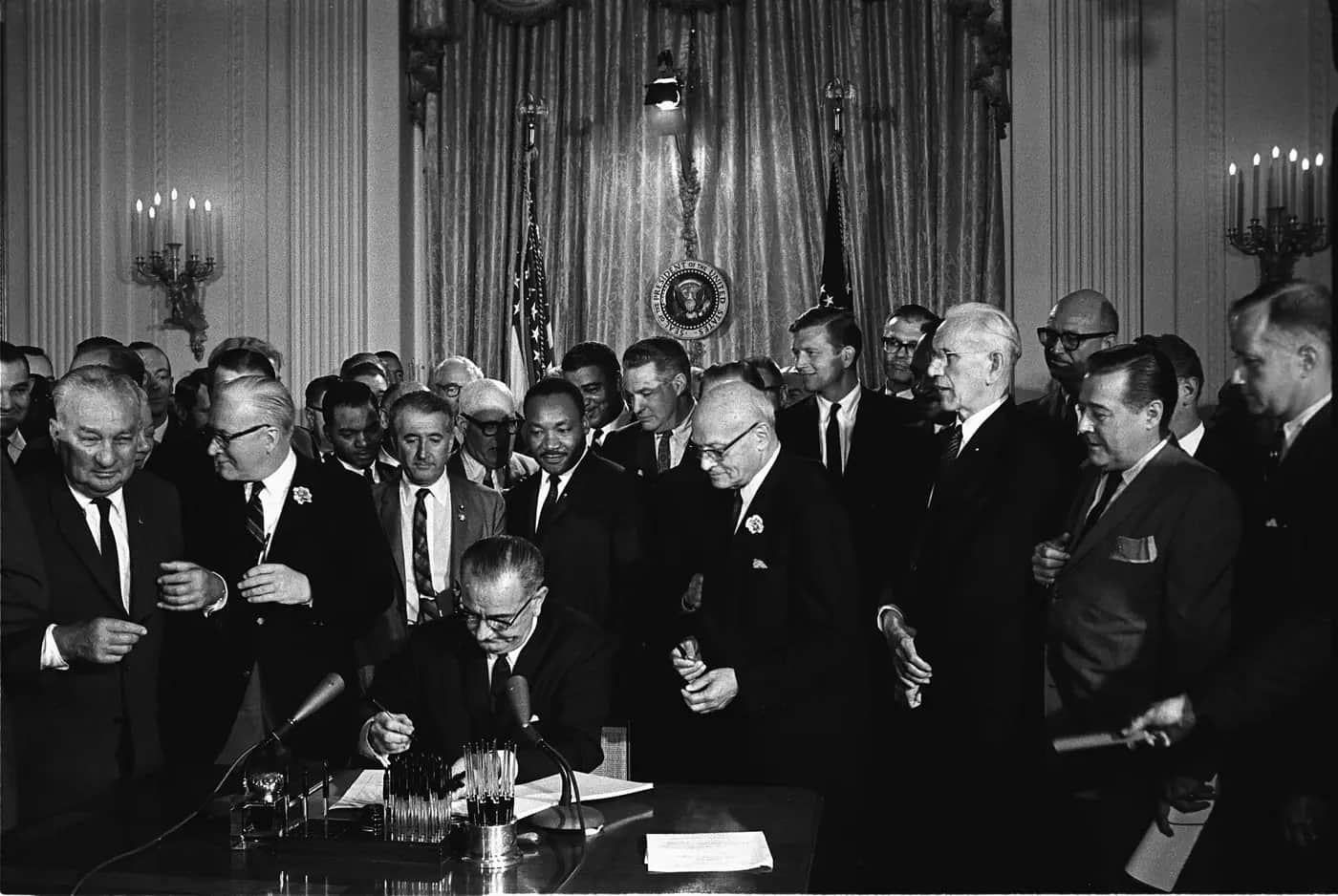
Background reading
Read to understand
Short readings written for Kōkiri Learn students, with their sources.
- Free but not equal: from slavery's end to Jim CrowSlavery ended in the United States in 1865, but for almost a hundred years unfair laws kept Black Americans apart and stopped many from voting.
- Young people at the front: Montgomery to SelmaTeenagers and children were at the heart of the Civil Rights Movement. Their courage helped win two of the most important laws in US history.
- Standing up in Aotearoa: the Panthers, the Dawn Raids and a petition for te reoIn the 1970s young Pacific and Māori activists in Aotearoa stood up against racism and for their language. Their work still shapes the country today.
Trusted NZ sites
Explore more
Placed at the stage of the journey where each one helps.
Time & Place
13th Amendment to the U.S. Constitution: Abolition of Slavery (1865) ↗US National Archives
The original document and a short explanation of how slavery was ended in law.
Time & Place
Brown v. Board of Education (1954) ↗US National Archives
The Supreme Court decision that ruled school segregation unconstitutional.
Relationships
Montgomery Bus Boycott ↗The Martin Luther King, Jr. Research and Education Institute, Stanford University
Who organised the boycott and how a whole community kept it going for 381 days.
Relationships
Student Nonviolent Coordinating Committee (SNCC) ↗The Martin Luther King, Jr. Research and Education Institute, Stanford University
How students formed their own organisation after the sit-ins.
Relationships
The Polynesian Panthers and the Dawn Raids ↗NZ History – Manatū Taonga Ministry for Culture and Heritage
Who the Panthers were, what they did for their community and how they worked with Ngā Tamatoa.
Accounts
Māori language petition, 1972 (photograph) ↗NZ History – Manatū Taonga Ministry for Culture and Heritage
A photograph of the petition arriving at Parliament, with comments from people who were there.
Accounts
Dawn Raids primary sources ↗NZ History – Manatū Taonga Ministry for Culture and Heritage
Letters, documents and images from the time to use as evidence.
Accounts
Dawn Raids (documentary, 2005) ↗NZ On Screen
Pacific people and officials describe the raids in their own words (preview first).
Causes & Consequences
Civil Rights Act (1964) ↗US National Archives
What the law banned and how the movement pushed Congress to pass it.
Causes & Consequences
Voting Rights Act (1965) ↗US National Archives
How the Selma marches led to a law protecting the right to vote.
Causes & Consequences
Timeline of the Dawn Raids ↗NZ History – Manatū Taonga Ministry for Culture and Heritage
Events from 1968 to 1977, showing the causes of the raids and the response.
Evaluate
Sit-ins ↗The Martin Luther King, Jr. Research and Education Institute, Stanford University
How the Greensboro sit-in spread and what it achieved, to judge the strategy.
Evaluate
Birmingham Campaign ↗The Martin Luther King, Jr. Research and Education Institute, Stanford University
The 1963 campaign, including the children's march, and its results.
Evaluate
Acknowledging the Dawn Raids: the government apology ↗NZ History – Manatū Taonga Ministry for Culture and Heritage
The full 2021 apology speech, to judge what an apology can and cannot change.
Evaluate
Start a petition ↗New Zealand Parliament
How anyone, including young people, can petition Parliament today.
Real audiences
- Whānau and the school community at an exhibition evening or assembly for Race Relations Day or Te Wiki o te Reo Māori
- The principal, school board or local council, who receive your youth-voice petition, submission or letter
- A local Pacific church, community group or iwi education group, who may share their own stories at the exhibition
- A partner class studying the Silk Roads, who test your causes on the shared comparison wall
Work with other schools
- Swap strategy scorecards with a class in another school and debate any strategy you rated differently.
- Build a shared online timeline with a partner school, with each class adding sources from its own region's newspapers on DigitalNZ.
- Run a joint youth-voice survey across two schools on the same issue and send one combined submission to the council.
Stretch challenges
- Compare Brown v Board of Education (1954) with the history of Native Schools and the growth of kura kaupapa Māori in Aotearoa.
- Investigate Ruby Bridges, who at six years old integrated a New Orleans primary school in 1960, and write a letter she might have received from a student today.
- Research the 1981 Springbok tour protests and score them on your strategy scorecard.
- Find out how the Race Relations Commissioner and the Human Rights Commission handle complaints about discrimination in Aotearoa today.
- Trace the Voting Rights Act from 1965 to today. How have courts and new laws changed it?
New Zealand Curriculum
What this world covers
Mapped to the refreshed Phase 3 statements. The whole class covers both the Year 7 and Year 8 sequences over two years.
Social Sciences · Global history
The US Civil Rights Movement 1954–1968: the 13th Amendment, Jim Crow segregation and the restriction of African American voting rights
Year 8 sequence
Social Sciences · Global history
Non-violent strategies and ordinary people: the NAACP and SCLC, Montgomery, Brown v Board, Greensboro, and young people at the front in Birmingham and Little Rock
Year 8 sequence
Social Sciences · Global history
The Civil Rights Act 1964 and the Voting Rights Act 1965, and evaluating how effective one strategy for change was
Year 8 sequence
Social Sciences · Civics and society
Influencing decisions through petitions, campaigns and respectful protest, with the Polynesian Panthers and the 1972 Māori language petition as Aotearoa examples
Year 8 sequence
Social Sciences · History (Aotearoa)
Responses to language loss: Ngā Tamatoa, the Māori language petition and the road to te reo Māori as an official language in 1987
Year 8 sequence
English · Oral language
Prepare and deliver a short persuasive speech or exhibition talk about a young person who stood up, using evidence from sources
Year 8 sequence
For teachers: how to run it
This world teaches the Phase 3 Year 8 Global History content in the proposed Social Sciences statement (August 2026), Cycle A Term 3: the 13th Amendment and the abolition of slavery; Jim Crow segregation and the restriction of voting; the NAACP and SCLC; Dr Martin Luther King Jr and the collective action of thousands of ordinary people; non-violent strategies (Montgomery, Brown v Board, Greensboro); young people at the front in Birmingham and Little Rock; the Civil Rights Act 1964 and the Voting Rights Act 1965; and evaluating one strategy's effectiveness. It links to Year 8 Civics (influencing decisions through petitions, campaigns and protest, including the Polynesian Panthers) and to Aotearoa history (responses to language loss). Year 7 students in a combined class can run the Silk Roads world alongside this one and meet in week 5 for a shared comparison wall: who gained, who lost, who resisted, what changed. Care first: this is a history of racism. Preview every source. Some primary sources contain racist slurs; never read them aloud, and choose extracts that do not include them. Do not run discrimination simulations (such as dividing the class by eye colour); they can harm students and trivialise real experience. Never ask a student of colour to speak for a group. Pacific whānau may have family memories of the Dawn Raids; invite, never require, sharing, and consider asking your Pacific community liaison or a local church or community leader to speak. Choose photographs of Birmingham 1963 carefully: show the marchers and the crowd, not close-ups of injury. The Polynesian Panthers described themselves as revolutionary; present their own words and their community work (homework centres, legal aid, food co-op) and let students weigh them. For the 1972 petition, work with mana whenua or your school's kaumātua and time it for Te Wiki o te Reo Māori if you can. Prep: a long string, pegs and printed photographs for the timeline; the NZ History Dawn Raids timeline and talanoa pages; National Archives milestone documents (13th Amendment, Brown v Board, Civil Rights Act, Voting Rights Act); strategy cards. Differentiation: picture-supported timeline cards and sentence starters for source work; stretch students to compare Brown v Board with the Native Schools and later Māori-medium education, or to track the Voting Rights Act to the present. Misconceptions to listen for: 'Rosa Parks was just tired' (she was an experienced NAACP organiser who chose to act), 'Dr King did it on his own' (tens of thousands of ordinary people did the work), 'racism ended in 1965' and 'this only happened in America'. Youth voice: keep actions safe, respectful and approved by the school; a petition or submission to the board or council is ideal. Kōkiri Lab link: the Regenerative Changemaker pathway gives a fuller action-planning cycle, and the Speak Up oral language lessons help students prepare speeches.
Plan this world into any term with the two-year planner. Students can record their thinking in their Kōkiri Learn portfolio.
More Social Sciences worlds
 4 weeksTō Mātou Rohe: Stories of Our Place
 5 weeksMana Motuhake: Power, Decisions and People
 5 weeksTe Awa Tupua: Rivers, Floods and People
 5 weeksWhy We Move: Migration and Belonging
 5 weeksShaky Isles: Hazards and Getting Ready
 5 weeksSilk Roads and Sea Routes: When Worlds Trade
 5 weeksOur Money, Our Community
Ready to run it with your class?
Free trial for NZ schools. One combined Years 7–8 class, any term.