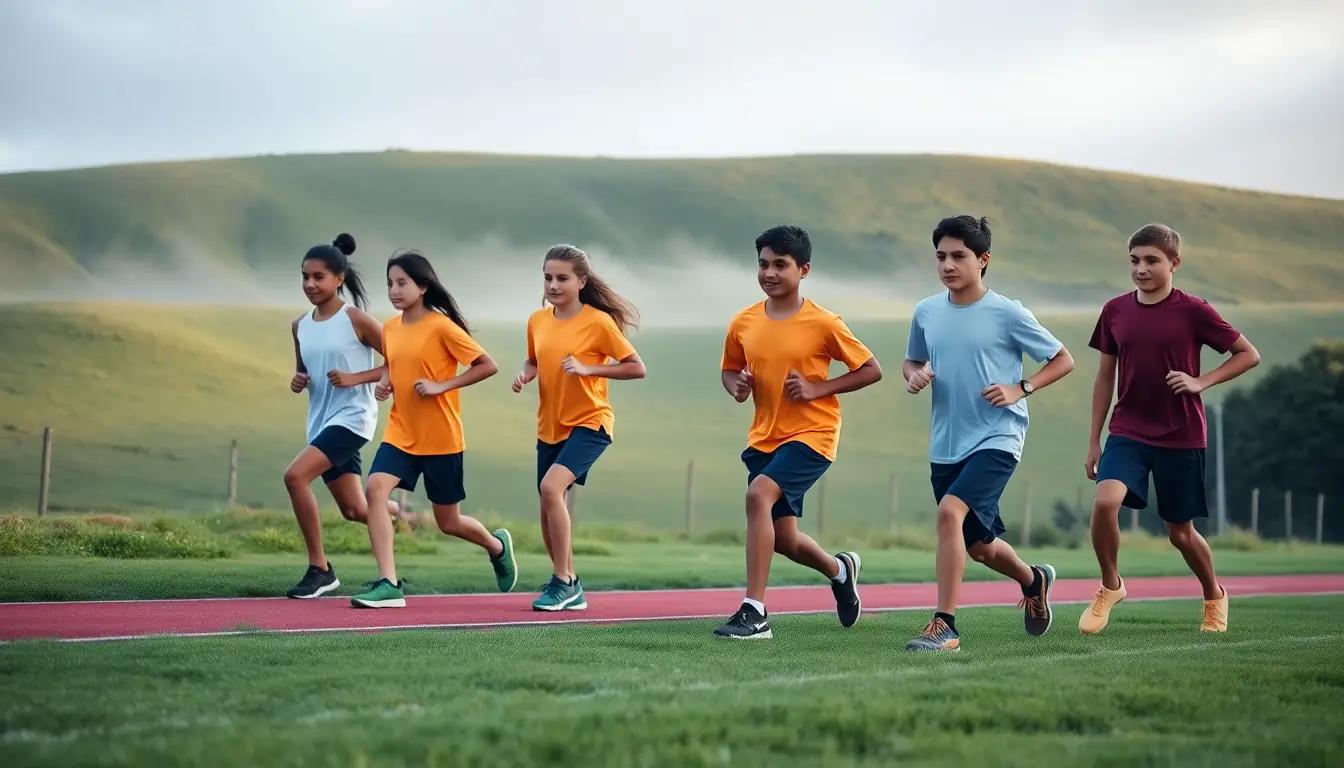
Health and Physical Education · World 7 of 8 · Years 7–8
Personal Best: Training and Goal Setting
Test yourself, train smart and track your own progress. The only person you're racing is last month's you.
Big question: How can I use my own data, good technique and smart training to get better at something I care about?
- You'll make
- Your own four-week training plan and progress log, plus a class 'Personal Best Guide': warm-up cards, training-method posters and a fuel-and-recovery page that younger students and whānau can use.
- For
- Younger students getting ready for athletics or cross-country, whānau, and your school's sports coordinator
- Time
- 5 weeks · 2 sessions a week
Your mission
Why it matters
The school athletics day, cross-country or a club season is five weeks away. Some of your class want to run faster, some want to throw further, and some just want to finish without feeling awful. You'll measure where you're starting, plan and follow your own training programme, and track the changes like a real coach, comparing only with yourself.
Knowing how your body responds to exercise, how training really works and how to set goals you can reach helps you enjoy being active for life. The same skills (collect data, set a goal, make a plan, check and adjust) work for learning an instrument, studying or anything else you want to improve.
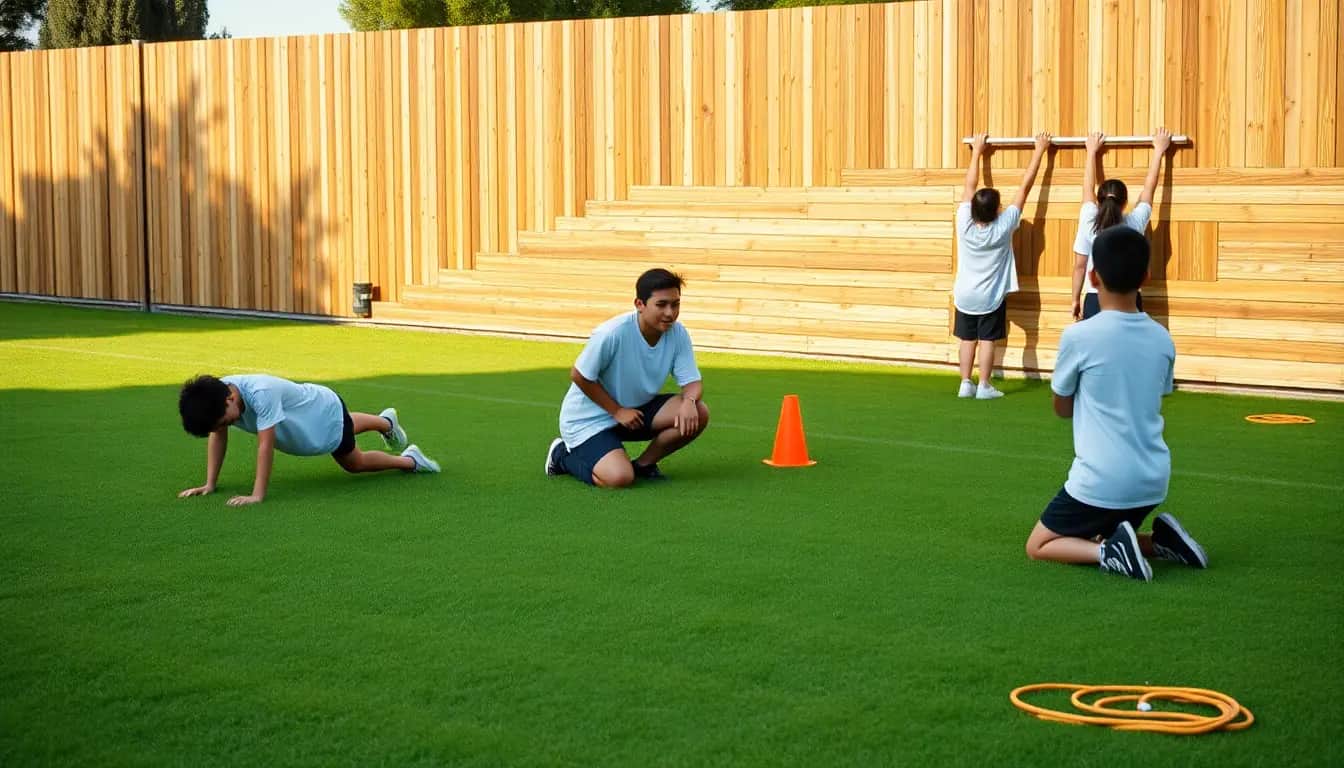
Your first step
Put two fingers on your neck or wrist and count your pulse for 15 seconds. Now do 30 star jumps and count again. What changed, and why do you think it happened?
Make it yours
Choose a context
Same big question, three different places to explore it. Pick the one that fits your class and community.
Athletics day and cross-country
Train for a sprint, a middle-distance run, a jump or a throw at your school's athletics day, or for the cross-country. Use the track, the field and the school grounds as your training space, and record times and distances accurately.
Your club or team sport
Netball, football, rugby league, waka ama, basketball, touch or hockey: pick the fitness and skills your sport really needs (speed off the mark, stamina for four quarters, a better pass) and design training that is specific to it.
An everyday active goal
Biking to school, a community 5 km walk or run, kapa haka stamina for a performance, skateboarding, dance or a family tramp. Personal best doesn't have to mean competition; it can mean doing something you enjoy for longer, more smoothly or with more confidence.
THRIVE
Week by week
Two sessions a week, each with Getting started and Stretch support so the whole class works together.
- W1Tune in: how your body responds, and where you're startingTune In: Heart-rate detective · Tune In: Baseline day
- W2Warm-ups, fuel and training partnersHabits: Ready, fuel, recover · Relationships: Be a good training partner
- W3Training principles, methods and your planImprove: Try the training methods · Improve: Write your plan
- W4Train, track and look at what mattersImprove: Train and track · Value: More than numbers
- W5Retest, reflect and share the guideValue: Make the Personal Best Guide · Evaluate: Retest and reflect
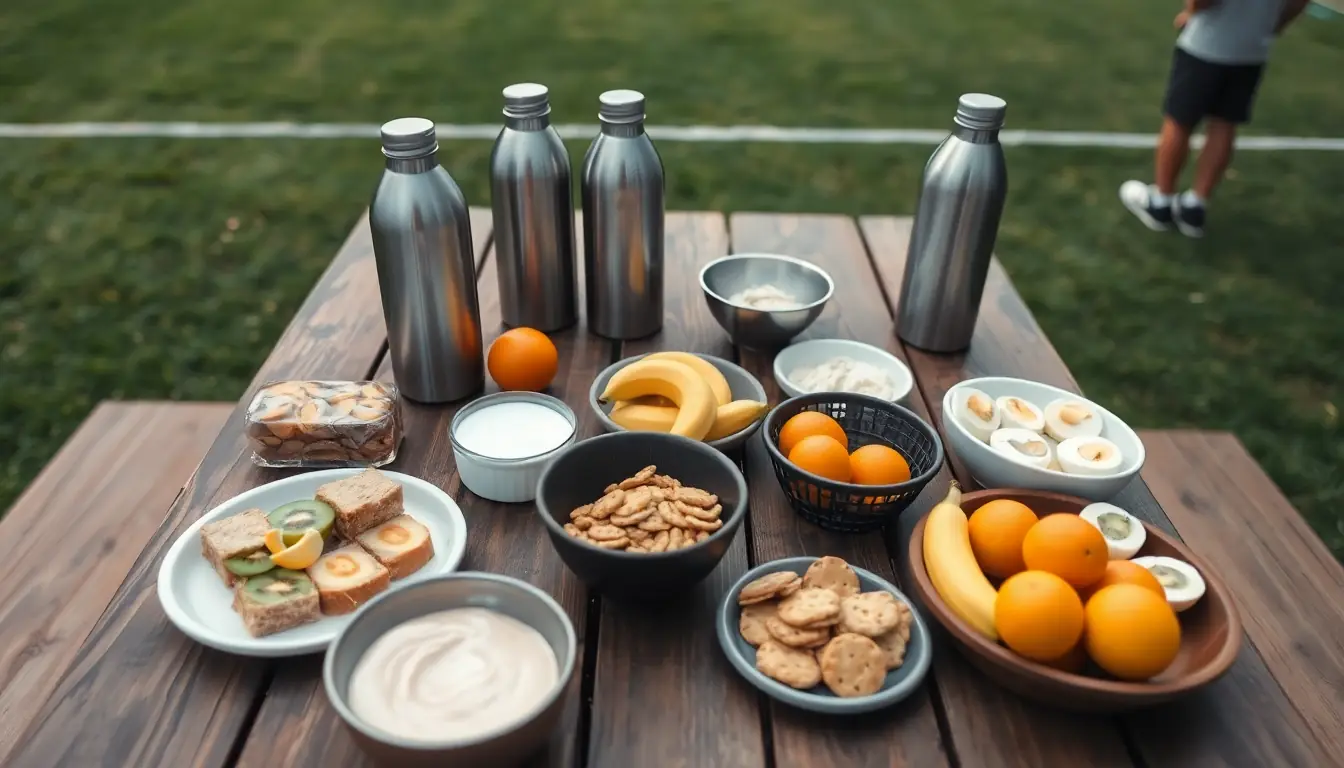
Hands-on
Activities
Investigations and projects that fit the weeks above. Open one to see what you need and how you'll know it worked.
Heart-rate detectiveHow does your heart respond to different kinds of activity?Open
You need: a stopwatch or clock with a second hand · a recording sheet · an effort scale poster (1–10)
- Sit quietly for a minute. Count your pulse for 15 seconds and multiply by four.
- Do each activity for one minute: slow walk, brisk walk, jog, star jumps, fast shuttle runs.
- Straight after each one, take your pulse, rate your effort from 1 to 10, and try the talk test: can you chat, say a few words, or nothing?
- Rest until your pulse is close to resting before the next activity.
- Look for the pattern: which activities are aerobic (you can keep going) and which are anaerobic (short and very hard)?
How you'll know: You can explain how heart rate, breathing and effort change with intensity, using your own results.
Safety: Stop if you feel dizzy, have chest pain or can't catch your breath. Keep your inhaler with you if you use one.
Go further: Time how long your pulse takes to return to resting after the hardest activity. This is your recovery time.
Fits week 1 →Baseline stationsWhere am I starting from?Open
You need: cones and a 20 m tape · stopwatches · a measuring tape · skipping ropes · beanbags or soft balls · a private log book
- Choose three tests that match your goal, such as 20 m sprint (speed), standing long jump (power), plank or wall sit (muscular endurance), sit-and-reach (flexibility), skipping for 60 seconds (coordination and fitness), or a timed lap (aerobic fitness).
- Warm up first.
- Do each test twice with full rest between, and record your better result.
- Your partner times or measures; only you write the result in your own log.
- Write down exactly how you did each test so you can repeat it the same way in week 5.
How you'll know: You have three accurate, repeatable results, and you know exactly how each test was done.
Safety: Warm up fully before sprinting or jumping. Land jumps on grass or mats.
Go further: Explain why doing the test the same way each time matters for fair comparison.
Fits week 1 →Warm-up cards and fuel for playWhat should you do and eat before and after training?Open
You need: card · pens · pictures of everyday foods and drinks · a day planner
- Design a warm-up card with three parts: pulse raiser, mobility, dynamic stretches, plus one drill for your goal.
- Design a cool-down: easy movement to bring your heart rate down, then gentle static stretches.
- Plan a training day: a meal 2–3 hours before (with carbohydrate for energy), a small snack if needed, water before, during and after.
- Plan a recovery snack with some protein and carbohydrate, such as a sandwich, yoghurt and fruit, or milk and a banana.
- Compare drinks: water, milk, sports drinks, energy drinks, fizzy drinks. Which do young people actually need?
How you'll know: You can explain what each part of your warm-up and cool-down does and plan sensible fuel and water for a training day.
Safety: If tasting foods, follow the school's allergy plan and check ingredients.
Go further: Find out why energy drinks are not recommended for children and teenagers.
Fits week 2 →Technique coachHow can breaking a skill into phases help you improve it?Open
You need: technique checklist cards (sprint start, standing throw or standing long jump) · cones · beanbags or soft shots · a clear throwing line
- Pick one skill. Read its checklist in three phases: preparation (stance, position), execution (the action), recovery (follow-through, landing).
- Your partner does the skill three times while you watch just one phase at a time.
- Give 'two stars and a step' feedback.
- Your partner tries again focusing on the step. Did it change?
- Swap roles.
How you'll know: You can name the phases of a skill and give feedback that helps your partner change one thing.
Safety: Throwers throw only on a signal; everyone else stands behind the thrower. Collect equipment only when everyone has thrown.
Go further: Write a checklist for a skill from your own sport and test it with a partner.
Fits week 2 →Training methods tasterHow do different training methods feel, and what do they train?Open
You need: cones · stopwatches · circuit station cards (step-ups, wall push-ups, skipping, squats, plank, shuttle runs)
- Intervals: 6 × 15-second fast runs with 45 seconds walking between. Good for speed.
- Fartlek ('speed play'): 6 minutes of continuous running, speeding up between some cones and slowing down between others. Good for stamina and changes of pace.
- Circuit: 6 stations, 30 seconds of work and 30 seconds to move. Good for all-round fitness and strength.
- After each method, record your pulse, effort (1–10) and how your legs and lungs felt.
- Decide which method best matches your goal.
How you'll know: You can describe each method and choose one that suits your goal, giving a reason.
Safety: Use a surface without holes. Drink water between methods. Choose the easier version of any station if you need to.
Go further: Design a circuit specifically for your sport or event.
Fits week 3 →My goal and planWhat goal will stretch me without being impossible?Open
You need: your baseline results · a SMART goal sheet · a three-week FITT plan template
- Look at your baseline. Choose one result to improve.
- Write a SMART goal: Specific, Measurable, Achievable, Relevant, Time-bound.
- Plan three weeks of training with FITT: Frequency (how often), Intensity (how hard), Time (how long), Type (which method).
- Check against SPORT: is it specific? Does it progress each week? Does it overload a little? Does it avoid gaps (reversibility)? Is there variety (tedium)?
- Add rest days and at least one activity just for fun.
How you'll know: Your goal is based on your own data, and your plan shows how you'll get there step by step.
Go further: Write a 'plan B' for a week when you're sick or busy, so you don't lose all your progress.
Fits week 3 →Progress graphWhat does your data show about your training?Open
You need: graph paper or a spreadsheet · your training log
- Put session number on the horizontal axis and your result on the vertical axis.
- Plot each result as a point and join them with a line. This is a time-series graph.
- Describe the trend: going up, down, flat, or up and down?
- Think about why: tiredness, weather, a bad night's sleep, better technique?
- Decide what the graph tells you to change in your plan.
How you'll know: You can describe the trend in your own graph and suggest reasons for it.
Go further: Add your effort ratings on a second line and look for connections.
Fits week 4 →Look closer
From the real world
Background reading
Read to understand
Short readings written for Kōkiri Learn students, with their sources.
- How training works: SPORT, FITT and the methods athletes useYour body adapts to the challenges you give it. Learn the principles and methods that make training work.
- Your data, your goal: racing only yourselfHow to measure where you're starting, set a goal you can reach, read your own progress graph, and why comparing yourself with others doesn't help.
- Warm up, fuel up, recover: looking after your bodyWhy warm-ups and cool-downs matter, what to eat and drink around training, and why rest is part of getting better.
Trusted NZ sites
Explore more
Placed at the stage of the journey where each one helps.
Tune In
Active children ↗Healthify
How much activity young people need each day and why it's good for body and mind.
Habits
Eating for exercise and sport ↗Healthify
What to eat to fuel up and recover.
Habits
Drink choices for children and young people ↗KidsHealth
Why water is the best drink, and what to know about sports and energy drinks.
Habits
Healthy snack and meal ideas ↗KidsHealth
Ideas for pre-training and recovery snacks.
Improve
Goals and making changes ↗Healthify
How to set goals that you can actually reach.
Improve
Athletics New Zealand ↗Athletics NZ
Events, clubs and competitions for young athletes.
Value
How much is too much when it comes to youth sport? ↗Balance is Better (Sport NZ)
Signs of overload and why rest and variety matter.
Value
Athletics: the golden era ↗Te Ara
How Arthur Lydiard's training helped Peter Snell and Murray Halberg win Olympic gold.
Evaluate
CensusAtSchool ↗CensusAtSchool NZ
Ideas for graphing and describing your own data.
Real audiences
- Younger students getting ready for athletics day or cross-country
- Whānau at a sports evening or on the school newsletter
- The school's sports coordinator and lunchtime sports leaders
Work with other schools
- Swap warm-up cards and training posters with a class in another school and test each other's.
- Run the same heart-rate detective activity in several schools and combine the class averages (never individual results) to look for patterns.
- Hold a video hui with a partner class to share what training methods worked for different goals.
- Build a shared online Personal Best Guide where each school adds one section.
Stretch challenges
- Research how New Zealand coach Arthur Lydiard's training ideas changed running around the world.
- Design a four-week training plan for a whānau member with a different goal from yours.
- Compare aerobic and anaerobic events at athletics day: which events are which, and how should athletes warm up for each?
- Track your sleep and your training results for two weeks (privately). Is there a connection?
New Zealand Curriculum
What this world covers
Mapped to the refreshed Phase 3 statements. The whole class covers both the Year 7 and Year 8 sequences over two years.
Health and Physical Education · PE: movement skills
Using data to identify strengths and limitations and set goals; responding to physiological changes (heart rate, muscle use) during activity; SPORT principles (specificity, progression, overload, reversibility, tedium)
Year 8 sequence
Health and Physical Education · PE: movement skills
Training methods (circuit, interval, fartlek, flexibility) to improve relevant fitness components; appropriate warm-up routines and informed choices about nutrition; comparing aerobic and anaerobic sensations
Year 8 sequence
Health and Physical Education · PE: movement skills
Warm-ups and training routines; accurate technique for sprint starts and a standing throw; measuring and recording times and distances accurately
Year 7 sequence
Health and Physical Education · Health: bodies and minds
Balanced diet and what shapes food choices, applied to fuelling and recovering from activity
Year 7 sequence
Mathematics and Statistics · Statistics
Time-series graphs of your own results over five weeks; describing trends and variation
Year 8 sequence
For teachers: how to run it
Prep: choose a test menu that suits your space and students (20 m sprint, standing long jump, plank hold, wall sit, sit-and-reach, skipping for 60 seconds, a timed lap or 6-minute distance, beanbag or soft-ball chest push). Each student chooses three tests that fit their goal; no one does every test. Privacy is essential: results go only in each student's own log, never on a wall, spreadsheet or leaderboard, and never compared between students. Students graph only their own data. Avoid weighing, measuring bodies, calorie counting or 'before and after' body comparisons; the focus is what bodies can do. Health and safety: check health information for asthma, heart conditions, diabetes, recent injury and allergies; have inhalers at hand; plan shade and water; warm up every session. Anyone who feels dizzy, has chest pain or can't catch their breath stops and tells you. Throws use beanbags, soft shots or medicine balls with a clear throwing line, and equipment is collected only when everyone has thrown. Food: follow the school's allergy plan for any tasting; no sports drinks or energy drinks are needed, and energy drinks are not recommended for children because of their caffeine. Growth spurts mean some students' results will go backwards for a while; normalise this. Differentiation: every test and training method has an easier and harder version; students using wheelchairs or with limited mobility choose tests like seated chest push, arm-crank intervals or balance holds, set with them. Kererū, the AI companion, asks one question about each student's goal (for example 'How will you know if it's working?'); it never sets goals, writes plans or judges results. Links: Mathematics world on statistics for time-series graphs; Science for the heart and lungs; Kōkiri Lab wellbeing pathway for habit tracking.
Plan this world into any term with the two-year planner. Students can record their thinking in their Kōkiri Learn portfolio.
More Health and Physical Education worlds






Ready to run it with your class?
Free trial for NZ schools. One combined Years 7–8 class, any term.