
Health and Physical Education · World 4 of 8 · Years 7–8
Recharge: Sleep, Screens and Stress
Your brain runs on a battery. Find out what drains it, what really recharges it, and how to hold your ground when pressure hits.
Big question: What drains us and what recharges us, and how can we look after our energy when life gets busy, stressful or full of pressure?
- You'll make
- A Recharge Kit for students about to start intermediate: a short guide or set of cards with the science of sleep, a 'wind-down' routine, tips for taming notifications, a stress toolbox, a plan for handling a big change, and practised ways to say no, all tested by your class first.
- For
- Students in contributing schools who will start intermediate next year, and their whānau at a transition or open evening
- Time
- 5 weeks · 2 sessions a week
Your mission
Why it matters
Ask any class at 9 am on a Monday how charged they feel and you will hear about late-night group chats, one more episode, tournaments, new schools, and worries that won't switch off. Some young people are also offered a vape or a drink by someone older, and it can be hard to know what to say. Your class will investigate the science of sleep, screens and stress, practise real ways to handle pressure and change, and make a Recharge Kit for students who are about to start intermediate.
Between 11 and 14 your body clock shifts later, your schoolwork gets harder, friendships get more complicated and screens get more of your time, all at once. Sleep is when your brain stores what you learned and your body grows and repairs. Stress is normal and can even help you focus, but stress that never switches off wears you down. And the choices people make about vaping and alcohol at this age matter more than at any other time, because a growing brain gets hooked more easily. Knowing how your own body and brain work gives you more control, and helps you look out for your mates.
Your first step
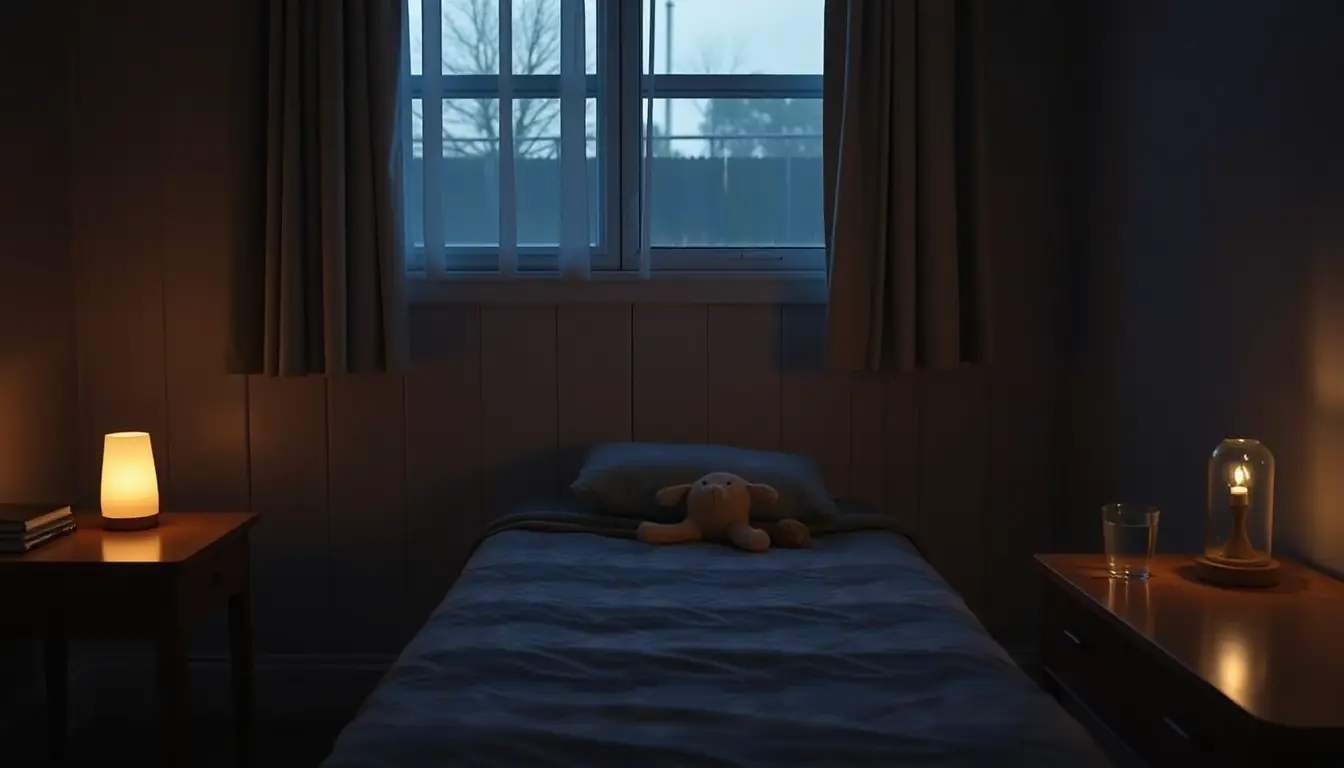
Draw a battery for yourself right now and shade how charged you feel. Then list three things that drained it this week and three things that recharged it. Keep it private: you only share what you choose.
Make it yours
Choose a context
Same big question, three different places to explore it. Pick the one that fits your class and community.
Home at night
The hours between dinner and sleep decide how the next day goes. Investigate the evening in your own home: where the phone sleeps, how bright the lights are, what happens when the house is noisy or the room is shared, and what a realistic wind-down looks like for whānau who work shifts or live in busy houses. Test one change to the evening and see what your own evidence says.
A big move
Starting intermediate or college, moving to a new town, arriving from the Pacific Islands or another country, a new baby, a family break-up, or a flood or storm that turns life upside down (as Cyclone Gabrielle did for many families in Tairāwhiti and Hawke's Bay in 2023). Explore what big changes do to sleep, stress and friendships, what people who have been through them found helpful, and how to plan for the next one.
Game days, group chats and the bus stop
Pressure often turns up in ordinary places: a tournament weekend with late nights and energy drinks, a group chat that keeps buzzing after midnight, the back of the bus, or a party where older kids have vapes or alcohol. Map where pressure happens for young people in your area, and practise what you could say and do in each place.
THRIVE
Week by week
Two sessions a week, each with Getting started and Stretch support so the whole class works together.
- W1Drains and chargers, and the science of sleepTune In: What drains us, what recharges us · Habits: Why do we get sleepy?
- W2Screens that keep us hooked, and the people around usHabits: Screen detectives · Relationships: Group chats and big changes
- W3Pressure, facts and saying noRelationships: Facts, not fear · Relationships: Refusal skills lab · Improve: Stress in the body
- W4Test a recharger, plan for change, and decide what mattersImprove: Recharge experiment · Value: Circle of control
- W5Make the Recharge Kit and judge the evidenceValue: Build the Recharge Kit · Evaluate: What did we learn, and does the kit work?
Hands-on
Activities
Investigations and projects that fit the weeks above. Open one to see what you need and how you'll know it worked.
Battery auditWhat really drains me, and what really recharges me?Open
You need: battery outline sheet · coloured pencils · an envelope to keep it private
- Draw a big battery and shade how charged you feel right now.
- Around the outside, write three drains from this week (things that used up energy or made you feel flat).
- Write three chargers (things that gave you energy or calm).
- Mark each one: is it about sleep, screens, people, movement, food or worries?
- Circle one drain you could shrink and one charger you could do more of. Seal it in your envelope for week 5.
How you'll know: You can name real drains and chargers from your own life and see which parts of life they come from. There are no right answers, and your battery stays private.
Go further: Find one thing that is a drain and a charger at the same time (such as sport or gaming), and work out what makes the difference.
Fits week 1 →Ruler-drop reaction testDoes the amount I sleep change how quickly I react?Open
You need: a 30 cm or metre ruler · a partner · sleep and reaction log · pencil
- Your partner holds the ruler at the top so the zero mark sits between your open thumb and finger, not touching.
- Without warning, your partner lets go. Catch it as fast as you can and read the number where your fingers are.
- Do three drops and write down the middle result (the median). A smaller number means a faster reaction.
- Do the test at the same time each school day for a week, and write down how long you slept the night before.
- At the end of the week, put your nights in order from shortest to longest. Do your reactions change?
How you'll know: You have a week of honest results, used the same method every day, and can say whether your data shows a link, no link, or that you need more data.
Safety: Drop the ruler straight down, never towards a face. If you often feel exhausted, talk to a trusted adult or the school nurse.
Go further: Pool anonymous class results and draw a scatter plot of hours slept against reaction distance. Is there a pattern for the whole class?
Fits week 1 →App design detectivesHow are apps and games designed to keep us on them?Open
You need: feature cards (autoplay, streaks, endless scroll, notifications, red badges, rewards, likes) · large paper · notification tally sheet
- In groups, choose three features from the cards and describe one app or game you know that uses each.
- For each feature, answer: what does it make me want to do? How would I feel if I stopped? Who earns money when I keep going?
- Rate each feature from 'hard to put down' to 'easy to put down'.
- For one day, keep a tally of notifications on a device you use (or, with permission, a whānau member's) and when they arrive.
- Choose one setting to change for the week, such as turning off one type of notification, and predict what will happen.
How you'll know: Your group can explain at least three design features in your own words and suggest a realistic change that puts you back in charge.
Go further: Compare notification times with the class (anonymously). How many arrive after 9 pm? What might that do to sleep?
Fits week 2 →Myth or fact? Vaping, alcohol and energy drinksWhat is true, and what have people just heard?Open
You need: myth and fact cards · the reading 'Vaping, alcohol and energy drinks: the facts' · sticky notes
- In pairs, sort the cards into 'myth', 'fact' and 'not sure' (examples: 'Vapes are just flavoured water', 'Most young people vape', 'Nicotine can change how a young brain develops', 'Energy drinks are fine for kids').
- Check each 'not sure' card against the reading or a trusted source listed in this world.
- For each myth, write the true version in one sentence.
- Talk about why the myth might spread: advertising, flavours and bright colours, videos online, older friends.
- Choose the one fact you most want younger students to know, and explain why.
How you'll know: You can correct at least three myths using a trusted source, and explain why the real facts matter for young people in particular.
Go further: Find out what New Zealand law says about selling vapes and alcohol to under-18s, and why the law is set at that age.
Fits week 3 →Refusal skills role-playWhat can I actually say when someone pressures me?Open
You need: scenario cards · refusal moves card · groups of three
- Learn the refusal moves: a clear 'no thanks', a reason, a different idea ('let's go get chips instead'), the broken record (saying the same thing again calmly), and walking away.
- In threes, take roles: the asker, the refuser and the observer.
- Play a scenario card (for example, an older cousin offering a vape at a family party, or a friend daring you to try a drink). The asker keeps it realistic but respectful.
- The observer gives one thing that worked: voice, body language, the words chosen.
- Swap until everyone has refused once, then write down the line you would really use.
How you'll know: You have practised saying no out loud at least once, and you can name a line and a move that feel natural to you.
Safety: Role-plays never include real devices, drinks or substances. Anyone can choose to script their response instead of acting. Keep scenarios made-up, not about real people.
Go further: Create a scenario where the person pressuring you is your best friend, and plan a response that keeps both you and the friendship safe.
Fits week 3 →Pulse and breath labWhat does stress do to my body, and can breathing change it?Open
You need: a timer · a body outline sheet · a quiet space
- Find your pulse on your wrist or neck. Count the beats for 30 seconds and double it. Write it down.
- Your teacher announces a surprise challenge (then cancels it). Count your pulse again straight away. Notice your breathing, shoulders and stomach.
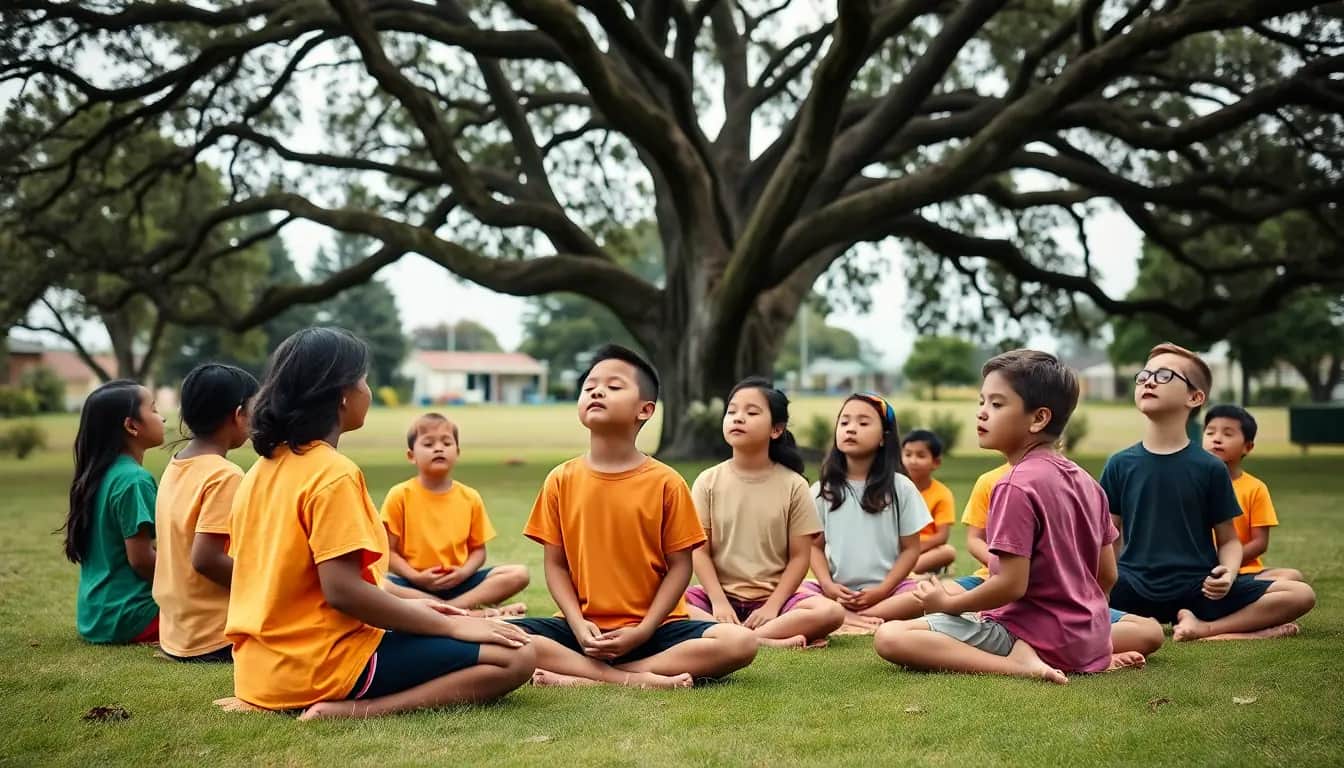
- Breathe in through your nose for a count of four and out slowly through your mouth for a count of six, for two minutes.
- Count your pulse a third time.
- Label your body outline with the signs you noticed, using accurate words: heart rate, breathing rate, muscle tension, 'butterflies'.
How you'll know: You can describe at least three physical signs of the stress response in your own body and say whether slow breathing changed your pulse.
Safety: This is opt-in. If you have a heart condition, asthma or anxiety that makes this uncomfortable, sit out or just observe. Stop if you feel dizzy.
Go further: Repeat the lab after a quick jog on the spot. Is the pulse increase from exercise the same as from stress? How are they different?
Fits week 3 →Circle of control for a big changeWhen life changes, what is mine to steer?Open
You need: three-ring circle sheet · pencils · a change you are facing or can imagine
- Write a change in the middle, such as starting college, moving house or a new family member. You can use an imaginary one.
- In the inner ring, list what you can control (how you pack your bag, who you sit with on day one, your wind-down routine).
- In the middle ring, list what you can influence (asking a teacher for help, joining a club).
- In the outer ring, list what is out of your hands (the timetable, the move date).
- Choose two things from the inner ring to plan now, and one person you could talk to.
How you'll know: Your plan focuses your energy on things you can actually do, and names a real person who can support you.
Go further: Interview someone who has been through a big change (a new migrant, a grandparent who moved from the islands, a cousin who started college) about what helped them.
Fits week 4 →Five-day recharge experimentDoes one change to my evening make a difference?Open
You need: experiment plan card · sleep and reaction log · a timer or clock
- Choose one recharger: phone charged outside the bedroom, lights dimmed an hour before bed, one notification switched off, slow breathing in bed, or 20 minutes outside after school.
- Write your prediction: 'If I…, then I think… because…'.
- Keep everything else as normal as you can, and each morning record sleep time, a 1 to 5 'charged' rating and your ruler-drop result.
- At the end, compare with your week 1 log using medians.
- Decide: keep, change or stop, and write one sentence of advice for the Recharge Kit.
How you'll know: You have five days of honest data, including missed days, and can explain what it shows and what else might have caused a change.
Go further: Graph both weeks side by side and mark any unusual nights (tournament, sleepover). Would you trust the result? What would make it fairer?
Fits week 4 →Background reading
Read to understand
Short readings written for Kōkiri Learn students, with their sources.
- Why you get sleepy: sleep pressure, your body clock and screensTwo systems decide when you feel sleepy. Learn how sleep pressure and your body clock work, why puberty moves the clock later, and what evening light and screens do.
- Stress: your body's alarm systemWhat stress is, what it does in your body, why the same event can feel like a challenge to one person and a threat to another, and two kinds of ways to cope.
- Vaping, alcohol and energy drinks: the factsPlain facts about what vaping, alcohol and energy drinks do to a growing brain and body, what the law says, and why most young people choose not to.
Trusted NZ sites
Explore more
Placed at the stage of the journey where each one helps.
Tune In
All Right? ↗All Right? (Te Hiringa Mahara, Canterbury)
Simple ideas from Aotearoa for noticing how you feel and looking after your wellbeing.
Habits
Sit Less, Move More, Sleep Well: guidelines for children and young people ↗Health New Zealand Te Whatu Ora
The official NZ advice on sleep, movement and screen time for ages 5 to 17.
Habits
Screen time and sleep ↗KidsHealth
How screens affect melatonin and sleep, with practical tips.
Habits
Sleep needs in teenagers ↗KidsHealth
Why the teenage body clock shifts later and what helps.
Relationships
Vaping and young people ↗KidsHealth
Plain facts about vaping, nicotine and the law in New Zealand.
Relationships
Vaping myths and facts ↗Health New Zealand Te Whatu Ora
Checks common claims about vaping against the evidence.
Relationships
Teens, alcohol and drugs ↗KidsHealth
Why alcohol affects a growing brain differently, and the NZ advice for under-18s.
Improve
Sparklers activities ↗Sparklers
Classroom activities from Aotearoa for calming, noticing feelings and managing worries.
Value
Aunty Dee ↗Aunty Dee
A free NZ tool that walks you through working out a problem step by step.
Evaluate
Youthline ↗Youthline
Free, confidential support for young people: call 0800 376 633 or text 234.
Real audiences
- Students at contributing schools who will start intermediate next year, through the Recharge Kit
- Whānau at a transition or open evening, with a short talk on sleep and the teenage body clock
- The school's student council or wellbeing team, who could add the kit to the school's welcome pack
Work with other schools
- Swap Recharge Kits with a class at another school and test each other's wind-down routines, sharing only anonymous 'helped, no change, unsure' tallies.
- Run a joint anonymous 'notifications after 9 pm' count across two schools and compare the patterns in a shared graph.
- Hold a shared online question time with a youth worker or school nurse, collecting questions anonymously from both classes beforehand.
Stretch challenges
- Research how some schools overseas and in New Zealand have trialled later start times for teenagers, and argue for or against it with evidence.
- Make a short audio guide to your wind-down routine or a slow-breathing practice that younger students can listen to.
- Survey (anonymously) how many students at your school have a phone in their bedroom at night, and present the findings with a graph.
- Investigate how energy drinks are advertised to young people and compare the caffeine with the advice for children.
- Interview a coach or kaumātua about how they help people stay calm before a big game or performance.
New Zealand Curriculum
What this world covers
Mapped to the refreshed Phase 3 statements. The whole class covers both the Year 7 and Year 8 sequences over two years.
Health and Physical Education · Health: bodies and minds
How hormonal changes in puberty reshape sleep patterns and emotions; how major life changes affect emotions and behaviour, and strategies (planning, talking, self-care, help-seeking) to adjust; how small amounts of stress can help focus if balanced with rest; how peer pressure and social media can make substance use seem normal
Year 7 sequence
Health and Physical Education · Health: bodies and minds
Recognising physical and emotional signs of stress using accurate terms (breathing, heart rate, mood, behaviour); how the brain and body respond to stress and strategies for regulation and recovery; resilience that includes needing support; the health risks of vaping for young people, and misuse of legal products such as energy drinks
Year 8 sequence
Health and Physical Education · Health: relationships
Using assertive language and boundary setting in role plays, and strategies such as pausing, rehearsing key phrases and seeking support in unfamiliar or high-pressure situations
Year 8 sequence
Mathematics and Statistics · Statistics
Planning data collection for a statistical question (sleep and reaction time), and using median and range to compare results
Year 7 sequence
Science · Biological Science
How breathing and heart rate change as the body responds to challenge, linked to the body systems studied in science
Year 8 sequence
English · Writing
Writing to inform and persuade a younger audience, planning, drafting and revising with feedback
Year 7 sequence
For teachers: how to run it
Prep: print the battery self-check, a seven-night sleep and reaction log, the notification tally sheet, the stress-signs body outline, the circle-of-control sheet and the refusal-skills scenario cards; get metre rulers (for the ruler-drop test) and timers. Privacy: sleep logs, battery ratings, stress signs and change maps are private by default; any class data is anonymous and pooled (tally slips in a box), and students never share whose phone or home is being described. Equity: many students have little control over bedtimes, shared rooms, noise, shift-working whānau or who owns a device; always offer changes that are within a young person's control, never frame home life as a failing, and never ask students to report on whānau behaviour. Substances: this world teaches facts and refusal skills only, in line with the school's health programme; do not show images of devices or brands, do not ask whether students or their whānau vape or drink, and avoid scare stories, which research shows backfire. Stress the positive norm: most young people do not vape or drink. Some students will live with whānau who smoke, vape or drink heavily; keep the focus on young people's brains, not on judging adults. Pastoral care: before week 1, check pastoral pathways with the guidance counsellor and know your referral steps; the stress and change sessions can surface grief, family breakdown, disaster experiences or anxiety. Share Youthline (0800 376 633, free text 234), Kidsline (0800 54 37 54) and 1737 (call or text) with the whole class. If a student discloses harm, follow the school's child protection policy. Physical activity: the heart-rate activity is opt-in and gentle; students with heart conditions or asthma follow their own plans. Differentiation: picture-based sleep logs and face scales; sentence starters for refusal role-plays (students can script lines rather than act); a choice of kit format (cards, a zine, a short audio guide or a poster set); stretch students analyse reaction-time data with medians or compare notification counts across app types. Kererū asks one question when groups draft their kit and never writes or marks student work. Links: Te Whare Tapa Whā (thrive-yr7) builds the habit-trial skills this world assumes, and Kōkiri Lab's outdoors worlds suit a class that wants to test time outside as a recharger.
Plan this world into any term with the two-year planner. Students can record their thinking in their Kōkiri Learn portfolio.
More Health and Physical Education worlds




Ready to run it with your class?
Free trial for NZ schools. One combined Years 7–8 class, any term.