Health and Physical Education · World 3 of 8 · Years 7–8
Kai and Me: Food Choices and Labels
Crack the code on the back of the packet, catch the tricks on the front, and design a lunch worth sharing.
Big question: What really shapes the kai we choose, and how can we make choices that fuel us and bring people together?
- You'll make
- A healthy lunch challenge entry, a balanced, affordable lunch designed and taste-tested by your group, plus a 'label detective' guide or an honest ad that helps younger students compare foods fairly.
- For
- Junior classes and their whānau, the school lunch or canteen provider, or a community kai event such as a school gala, marae day or church lunch
- Time
- 5 weeks · 2 sessions a week
Your mission
Why it matters
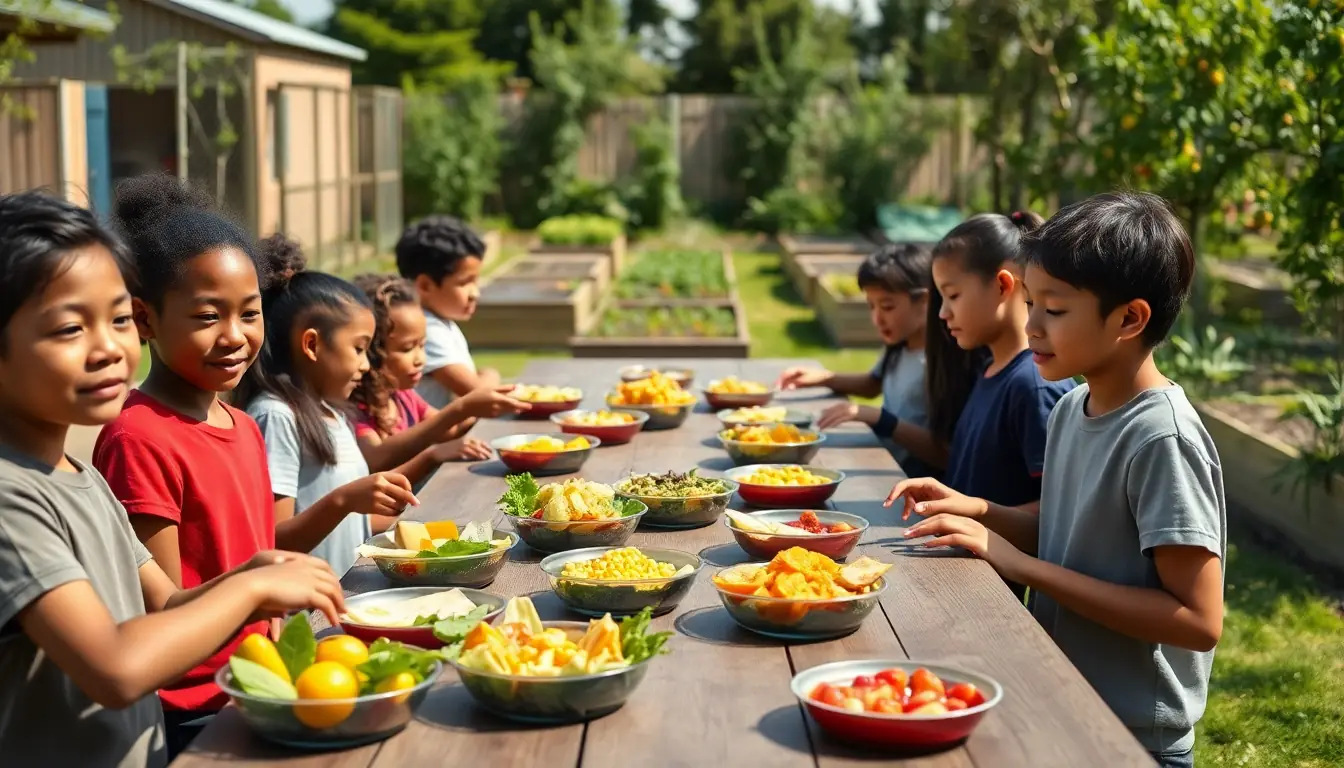
Walk into any dairy and the brightest packets sit at your eye level, covered in cartoon characters and words like 'natural' and 'fun'. At home, kai is also about whānau, culture and what the budget allows. Your class has been asked to help younger students make sense of food: you will learn to read labels fairly, catch advertising tricks, explore the kai traditions in your community, and design a healthy, affordable lunch to share.
Your body is growing faster now than at almost any time since you were a baby, so it needs variety: protein, calcium, iron, fibre and healthy fats, not just energy. Food companies spend a lot of money working out how to get young people to choose their products, and most of those products are not the ones your body needs most. Knowing how to read a label and see through an ad gives you more say over what goes into you. And kai is more than fuel: sharing it is one of the oldest ways people show care and build belonging.
Your first step
Pick up two packets of a similar food, such as two cereals or two muesli bars. Before you read the back, guess which is the healthier choice, and write down what on the front made you think so.
Make it yours
Choose a context
Same big question, three different places to explore it. Pick the one that fits your class and community.
The dairy and the supermarket aisle
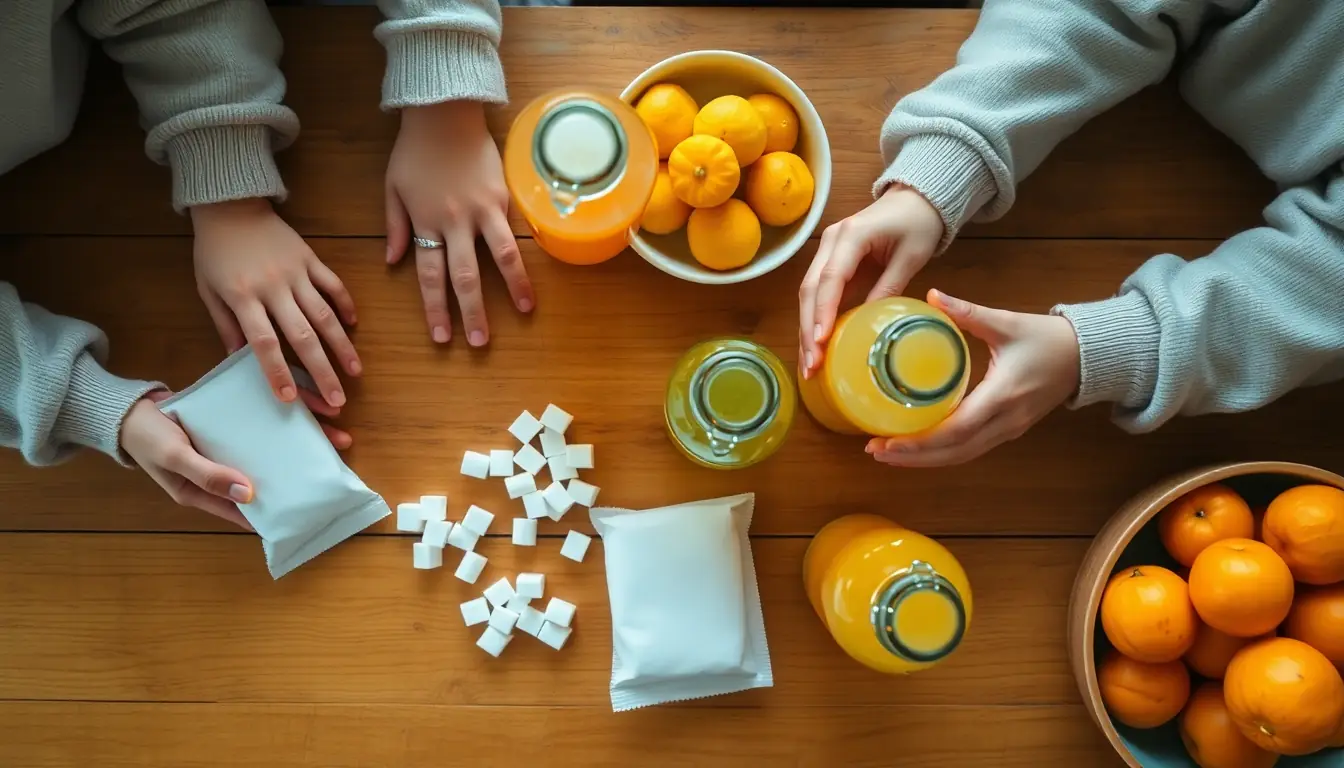
Map the local dairy or supermarket as a food detective. What sits at kids' eye level? Which drinks are in the fridge by the counter? Collect empty packets and photos of ads, compare labels per 100 g, count the sugar in a bottle of fizzy, and work out what an honest shelf would look like.
The māra kai and heritage crops
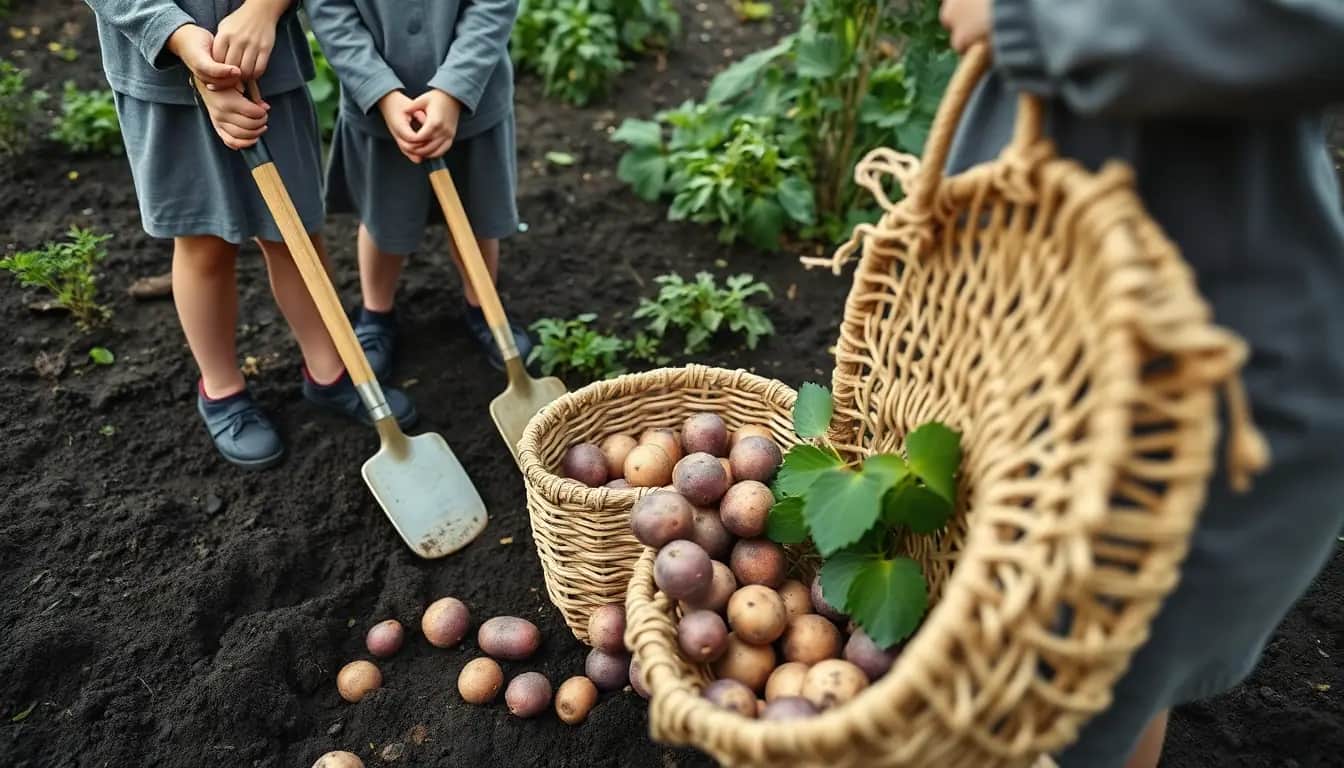
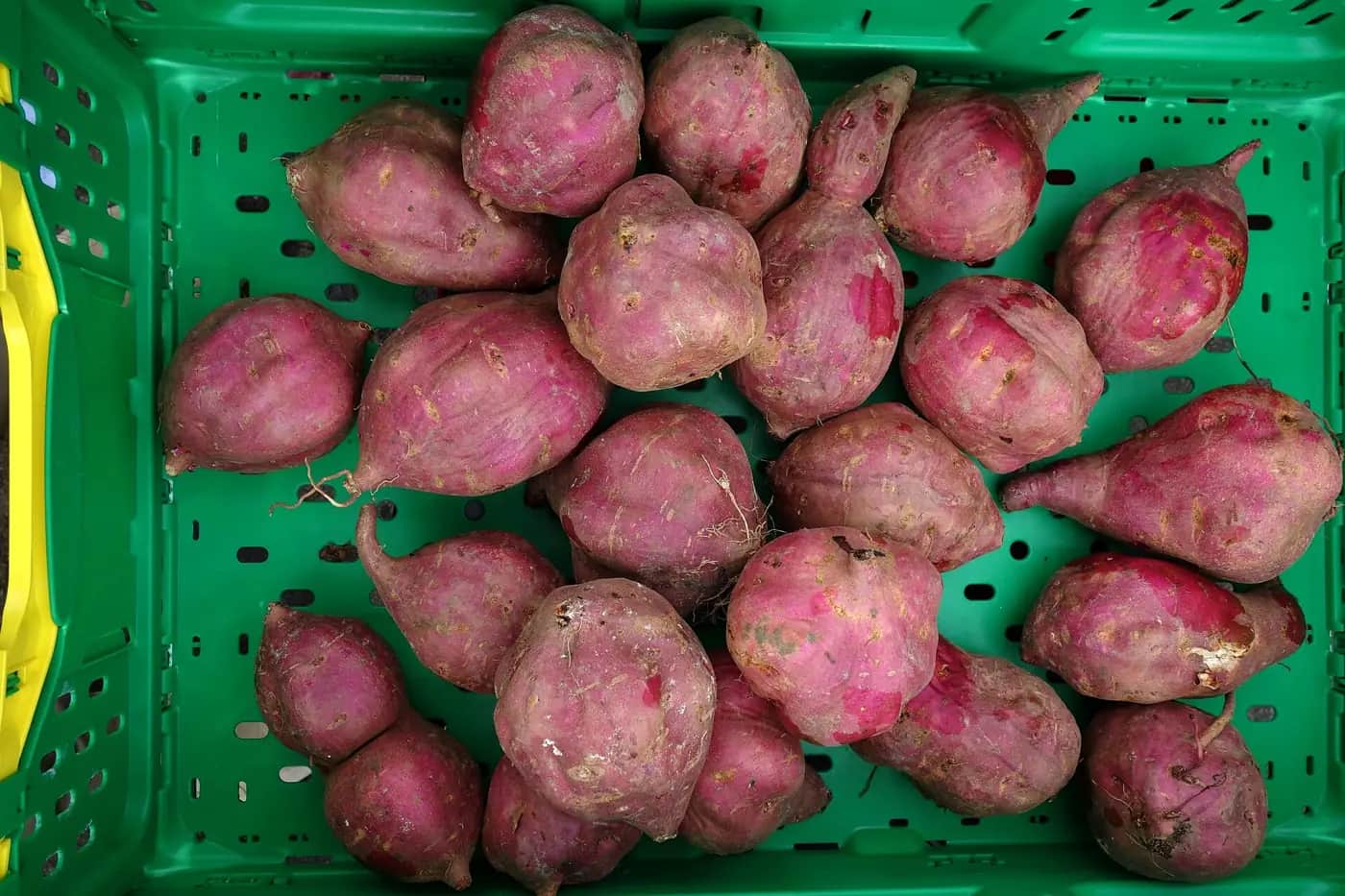
Start in the school garden or a community māra kai. Grow, harvest and cook something simple, and meet the old varieties that people have saved for generations: purple kūmara, heritage beans, taewa (Māori potatoes) and heirloom tomatoes. The Heritage Food Crops Research Trust in Whanganui studies old varieties like these and gives seeds away so people can grow them.
Kai at our gatherings
Food brings people together everywhere: a hākari after a hui at the marae, a Sunday to'ona'i after church in Samoan families, dumplings at Lunar New Year, sweets at Diwali, a whānau barbecue at the beach. Explore the meaning of shared kai in the cultures of your class, and what manaakitanga (caring for guests) looks like at the table.
THRIVE
Week by week
Two sessions a week, each with Getting started and Stretch support so the whole class works together.
- W1Tune in to kai: what's on our plates and whyTune In: Kai stories · Habits: Fuel for growing bodies
- W2Label detectivesHabits: Cracking the back of the packet · Habits: Sugar you can see
- W3Ads, pressure and the people we eat withRelationships: Ad detectives · Relationships: Kai and belonging
- W4Grow it, cook it, plan the lunch challengeImprove: From māra to plate · Improve: Healthy lunch challenge: design
- W5Share the kai, then judge it fairlyValue: Kai to share · Evaluate: Did our lunch pass the test?
Hands-on
Activities
Investigations and projects that fit the weeks above. Open one to see what you need and how you'll know it worked.
Balanced plate builderWhat does a balanced day of kai look like for a growing body?Open
You need: paper plates · food picture cards or magazine cut-outs · glue · food group guide
- Divide your paper plate: half for vegetables and fruit, a quarter for grain foods (mostly wholegrain), a quarter for protein foods (legumes, eggs, fish, chicken, meat, nuts if safe).
- Add a small circle beside it for milk or a milk alternative, and a glass of water.
- Build a plate for breakfast, lunch or dinner for a made-up young person using the picture cards.
- Swap with a partner. Can they find a food from every group? Is there colour and variety?
- Add one food from a culture you know to show balance doesn't mean 'plain'.
How you'll know: Your plate has all the food groups, is about half vegetables and fruit, and includes water. There are no 'bad' foods on the table, just everyday and sometimes ones.
Go further: Label where protein, calcium, iron and fibre come from on your plate, and explain why each matters while growing.
Fits week 1 →Label lab: per 100 gWhich of these similar foods is the better everyday choice, and how can we compare them fairly?Open
You need: three empty packets of a similar food (cereals, muesli bars, yoghurts or crackers) · comparison table · calculator
- Find the nutrition information panel on each packet and the 'per 100 g' column.
- Record sugar, sodium, saturated fat and fibre per 100 g for each product.
- Compare with the handy guide: sugar under 10 g, sodium under 120 mg (over 600 mg is high), saturated fat under 5 g, fibre over 6 g per 100 g.
- Read the ingredients list. Ingredients are listed from most to least. Circle anything that is a kind of sugar (sucrose, glucose syrup, honey, fruit juice concentrate).
- Choose the best everyday option and write two reasons from the label.
How you'll know: Your choice is based on the per 100 g numbers and the ingredients list, not on the picture on the front or the serving size.
Safety: Use empty, clean packets only. No tasting in this activity.
Go further: Check whether the product with the most Health Stars is also the one that won your comparison. If not, why might that be?
Fits week 2 →The sugar stackHow much sugar is really in our drinks?Open
You need: empty drink bottles (fizzy, sports drink, juice, flavoured milk, water) · sugar · teaspoons · clear plastic cups · digital scale (optional)
- Find the sugar per 100 mL on each label and the size of the bottle.
- Work out the total sugar: sugar per 100 mL × bottle size ÷ 100.
- Convert to teaspoons: grams ÷ 4.
- Measure that many teaspoons into a clear cup and line the cups up in front of their bottles.
- Compare with the water bottle. What would it take to swap one drink a day for water?
How you'll know: You can calculate and show the sugar in a drink. A 600 mL bottle of regular fizzy holds around 15 teaspoons.
Safety: Don't eat the sugar. Wipe up spills so the floor isn't slippery, and wash hands afterwards.
Go further: Find out why fizzy drinks harm teeth even when they are sugar-free (hint: acid), and make a short explainer for a junior class.
Fits week 2 →Ad detectivesHow do food ads try to change what young people buy?Open
You need: three food ads or packets aimed at young people · ad-tricks checklist · the product labels
- For each ad, write who it is aimed at and how you can tell.
- Tick the tricks: cartoon characters, celebrities or sports stars, prizes or games, bright colours, words like 'natural', 'real fruit' or 'energy', links to fun, friends or being sporty.
- Find the main claim on the front and check it against the label per 100 g.
- Decide whether the ad is fair, and what it leaves out.
- Rewrite the claim so it's honest.
How you'll know: You can point to a gap between what the ad suggests and what the label shows, and name the technique used.
Go further: Design an honest ad for a food that is good for young people, using the same techniques for good.
Fits week 3 →Whānau kai interviewWhat does kai mean in my family and my culture?Open
You need: interview card with four questions · notebook or a voice recording (with permission)
- Ask a whānau member or family friend: What food reminds you of growing up? What food do we make for special occasions? Who taught you to cook it? What rules or customs do we have around food?
- Write down one recipe, tradition or custom and what it means to your family.
- Bring it to class and share only what you and your family are happy to share.
- Listen to others and note one tradition that is new to you and one that is similar to yours.
How you'll know: You can explain a food tradition from your family and one from someone else's, and why shared kai matters to them.
Go further: Find the tradition in Te Ara or another trusted source and compare what you read with what your family told you.
Fits week 3 →Māra to plateWhat can we grow and cook ourselves, and what did people eat here before supermarkets?Open
You need: school or community garden (or seed trays) · heritage seeds or kūmara tipu (shoots) · trowels · a simple recipe · chopping boards, knives and aprons
- Harvest what's ready in the garden, or plant heritage beans, kūmara tipu or taewa, depending on the season.
- Wash hands and produce thoroughly.
- Prepare a simple dish together, such as a roast kūmara and greens salad or a vegetable wrap bar.
- Talk about where each ingredient came from and how far it travelled.
- Share the dish and compost the scraps.
How you'll know: You helped grow or prepare real food, and can explain one way traditional kai was grown or cooked in Aotearoa.
Safety: Check the allergy register first. Wear gloves for soil and wash hands afterwards. Adults supervise knives and ovens; use a claw grip when cutting. Keep hot trays and ovens clear of other people.
Go further: Save seeds from something you grew and label them for next year's class.
Fits week 4 →Healthy lunch challengeCan we design a lunch that is balanced, affordable and genuinely appealing?Open
You need: lunch builder card · supermarket flyers or websites for prices · budget sheet · ingredients (ordered through your teacher) · food preparation equipment
- Read the brief: a balanced lunch for one young person within the set budget, easy to pack, and something your audience would actually want to eat.
- Choose one food from each group, plus water. Work out the cost per serve.
- Make a sample lunch and taste-test it in your group.
- Improve one thing (taste, cost or balance) and record the change.
- Present the lunch with a small card: what's in it, the food groups, the cost, and why it's worth trying.
How you'll know: Your lunch fits the budget, includes every food group, and your audience's feedback shows people would eat it.
Safety: Follow the allergy plan: no nuts or flagged allergens, and list every ingredient on your card. Keep cold food cold, wash hands, and use clean boards.
Go further: Make a version for a different dietary need (vegetarian, halal or dairy-free) and compare the cost.
Fits week 5 →Look closer
From the real world
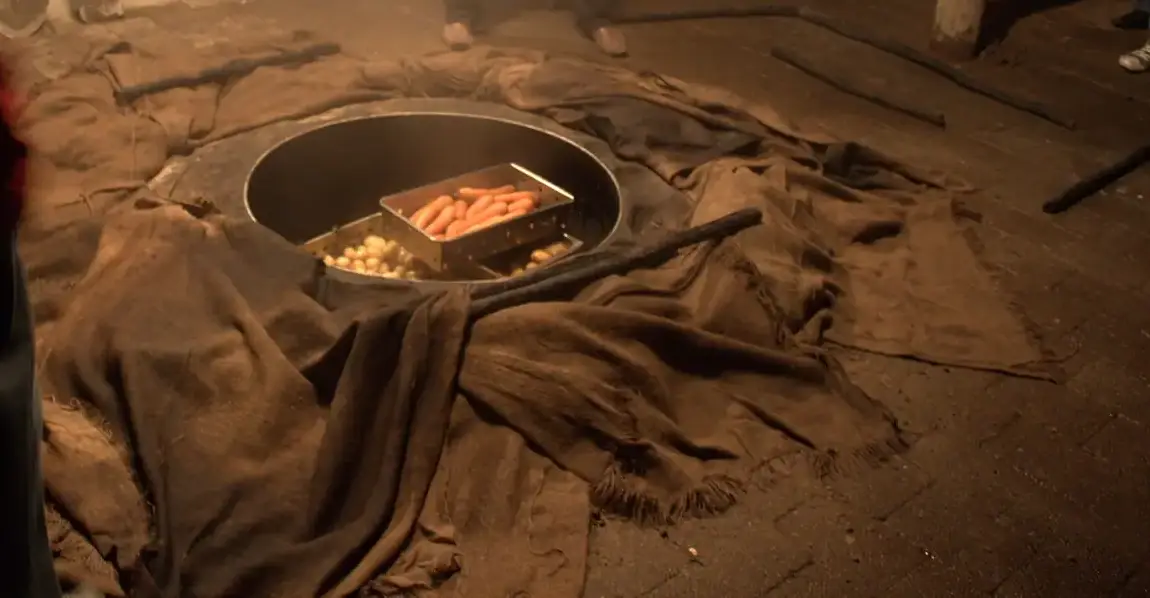
Background reading
Read to understand
Short readings written for Kōkiri Learn students, with their sources.
- A balanced plate for a growing bodyWhat your body needs while it grows fast, the food groups that provide it, and why variety beats any 'superfood'.
- Reading a food label like a detectiveThe front of the packet is an advert; the back is the evidence. How to compare foods fairly per 100 g, read ingredients, and see through the tricks.
- Kai traditions: growing, sharing and saving seedsHow Māori grew and cooked kai, why sharing food matters in so many cultures, and why people are saving old varieties of fruit and vegetables.
Trusted NZ sites
Explore more
Placed at the stage of the journey where each one helps.
Tune In
Māori foods: kai Māori ↗Te Ara Encyclopedia of New Zealand
How Māori grew, gathered, cooked and preserved food.
Habits
Food labels: using ↗Healthify
Handy per-100 g numbers for sugar, salt, fat and fibre.
Habits
How can I tell if a food is healthy? ↗Heart Foundation
Compare foods fairly, and use Health Star Ratings within the same food type.
Relationships
Food in Māori tradition ↗Te Ara Encyclopedia of New Zealand
Why sharing kai is central to manaakitanga and hospitality.
Improve
Healthy School Lunch Box Guide ↗Heart Foundation
A visual guide to building a balanced lunch.
Value
Heritage Food Crops Research Trust ↗Heritage Food Crops Research Trust
A Whanganui trust saving old fruit and vegetable varieties and giving seeds away.
Evaluate
Healthy eating for children ↗Healthify
Check your lunch against NZ advice for young people.
Real audiences
- A junior class and their whānau, through the label detective guide and a shared lunch
- The school lunch provider, canteen or sports club, through a recommendation with evidence
- A community kai event, such as a school gala, marae day or church lunch
Work with other schools
- Swap empty packets and drink labels with a partner school in a different region and compare what's sold in each place.
- Run the same healthy lunch challenge budget at partner schools and share recipes, costs and feedback in a joint online recipe book.
- Swap heritage seeds or kūmara tipu with a partner school and compare how they grow in different climates.
Stretch challenges
- Survey the drinks sold near school (dairy, sports club canteen, vending machine) and calculate the average sugar per bottle.
- Write to the school lunch provider or canteen with a recommendation backed by your label comparisons.
- Create a class recipe book of kai traditions, with the stories whānau were happy to share.
- Plant a heritage food bed at school and set up a seed-saving library for next year's class.
New Zealand Curriculum
What this world covers
Mapped to the refreshed Phase 3 statements. The whole class covers both the Year 7 and Year 8 sequences over two years.
Health and Physical Education · Health: bodies and minds
Changing nutritional needs in adolescence and the importance of variety and balance; how cultural traditions and shared meals shape food choices and belonging; the effect of the sugar in fizzy drinks on teeth and health; persuasive techniques in food advertising
Year 7 sequence
Health and Physical Education · Health: bodies and minds
Roles of protein, calcium, iron and healthy fats in bone health, brain development and energy; analysing food packaging and advertisements for persuasive techniques and whether products meet nutritional needs
Year 8 sequence
Health and Physical Education · Health: relationships
Cultural awareness, empathy and respectful communication when learning about the food choices of others
Year 7 sequence
Mathematics and Statistics · Measurement
Converting grams to teaspoons and comparing quantities per 100 g
Year 7 sequence
Technology · Materials and ingredients
Comparing processing methods and cultural practices when preparing food
Year 8 sequence
For teachers: how to run it
Prep: collect a class set of clean, empty packets and drink bottles (ask whānau early), a digital scale for sugar demonstrations, teaspoons and sugar, and printed ads. Care with food and bodies: this world is deliberately weight-neutral. Do not weigh or measure students, count calories, label foods or people as 'good' or 'bad', or discuss body size; talk about 'everyday' and 'sometimes' foods and about fuel, growth and enjoyment. Some students may have a complicated relationship with food; watch for distress and follow up privately with the guidance team. Food insecurity: never inspect, photograph or compare students' own lunchboxes, and don't ask what students ate. Use provided packets, hypothetical families and set budgets instead, and remember Ka Ora, Ka Ako school lunches may be a student's main meal. Allergies and food safety: check the school allergy and anaphylaxis register before any tasting or cooking, keep nuts and other flagged allergens out, label every dish's ingredients, follow handwashing and hygiene routines, and supervise knives and heat. Respect dietary needs for religious, cultural and ethical reasons (halal, vegetarian, no pork or beef). Culture: invite whānau to share kai traditions rather than having students present other cultures; if you visit a marae, go through the school's iwi relationships and follow the marae's tikanga for kai (for example, food is kept away from the head and off tables where people sit). A visit to a community garden or, in the Whanganui region, the Heritage Food Crops Research Trust (arrange in advance) enriches the māra context. Differentiation: a picture-based label card and a partly-filled comparison table; sentence frames for ad analysis; stretch students calculate sugar in teaspoons for a whole day's hypothetical menu or compare cost per 100 g. Kererū asks one question during the lunch challenge and never judges students' food. Links: Kōkiri Lab's garden, orchard and Kai Lab worlds extend the growing and cooking.
Plan this world into any term with the two-year planner. Students can record their thinking in their Kōkiri Learn portfolio.
More Health and Physical Education worlds



Ready to run it with your class?
Free trial for NZ schools. One combined Years 7–8 class, any term.