Science · World 7 of 8 · Years 7–8
Spark: Static and Circuits
Make paper jump, bend water with a balloon and light up a whare you built yourself. Follow the electrons and take control.
Big question: What is electricity, how does it move through a circuit, and how can we design a circuit that does a real job safely and without wasting energy?
- You'll make
- A working battery-powered circuit that does a real job (lighting for a model whare, a tramping torch, or a switch-and-sensor model for the energy audit), with a proper circuit diagram, test results and a one-page safety card.
- For
- The junior class and whānau at a Matariki or end-of-term display, the outdoor education leader, and the school's enviro group or board, who can act on an energy-audit report.
- Time
- 5 weeks · 2 sessions a week
Your mission
Why it matters
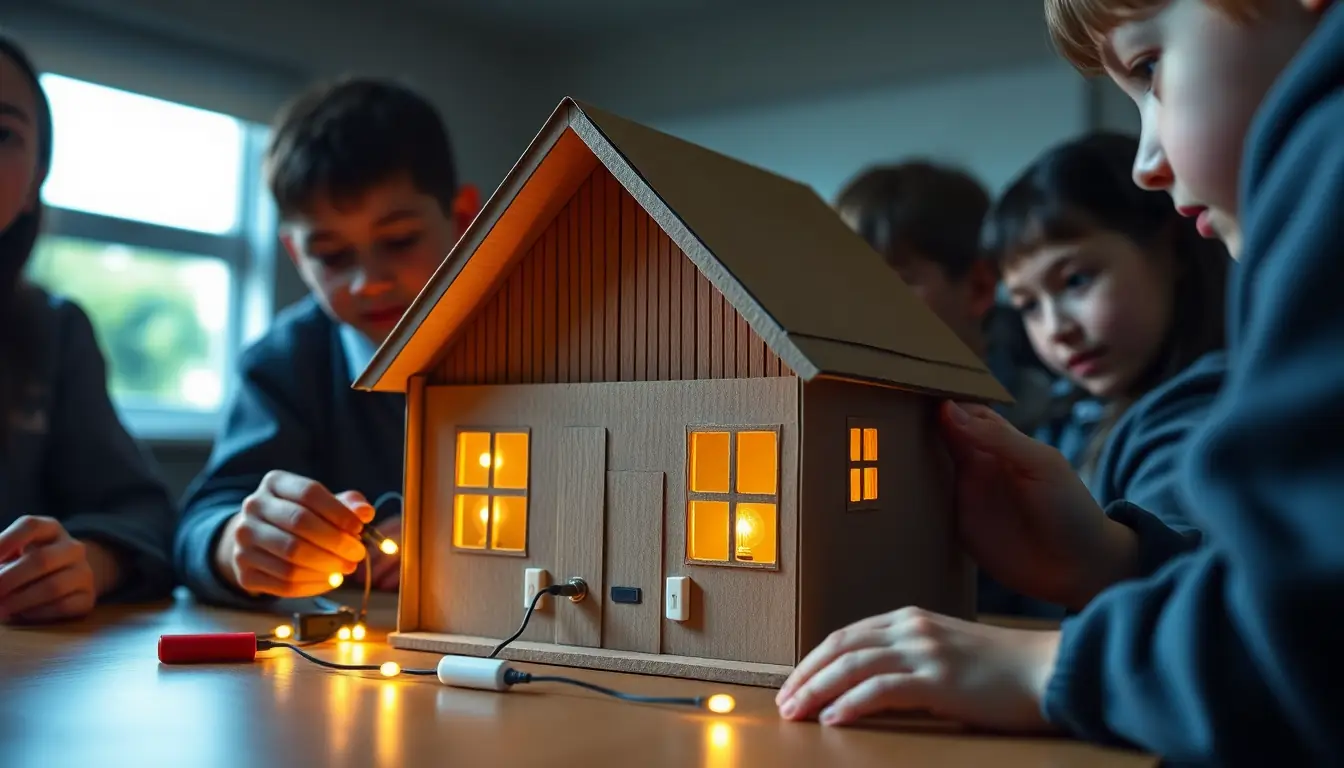
Your class has three requests on the board. A junior class wants the model whare they are building for a Matariki display to light up room by room. The outdoor education team needs a simple, reliable torch design for a tramping trip. And the school's enviro group wants to know where the school is wasting electricity. Pick one, and use circuit science to solve it.
Almost everything in your day runs on electricity: phones, lights, fridges, buses, hospital machines. Knowing how circuits work helps you fix simple things, stay safe around mains power, and make choices that save energy and money. It is also the first step into electronics, robotics and the renewable-energy jobs Aotearoa will need as we move away from fossil fuels.
Your first step
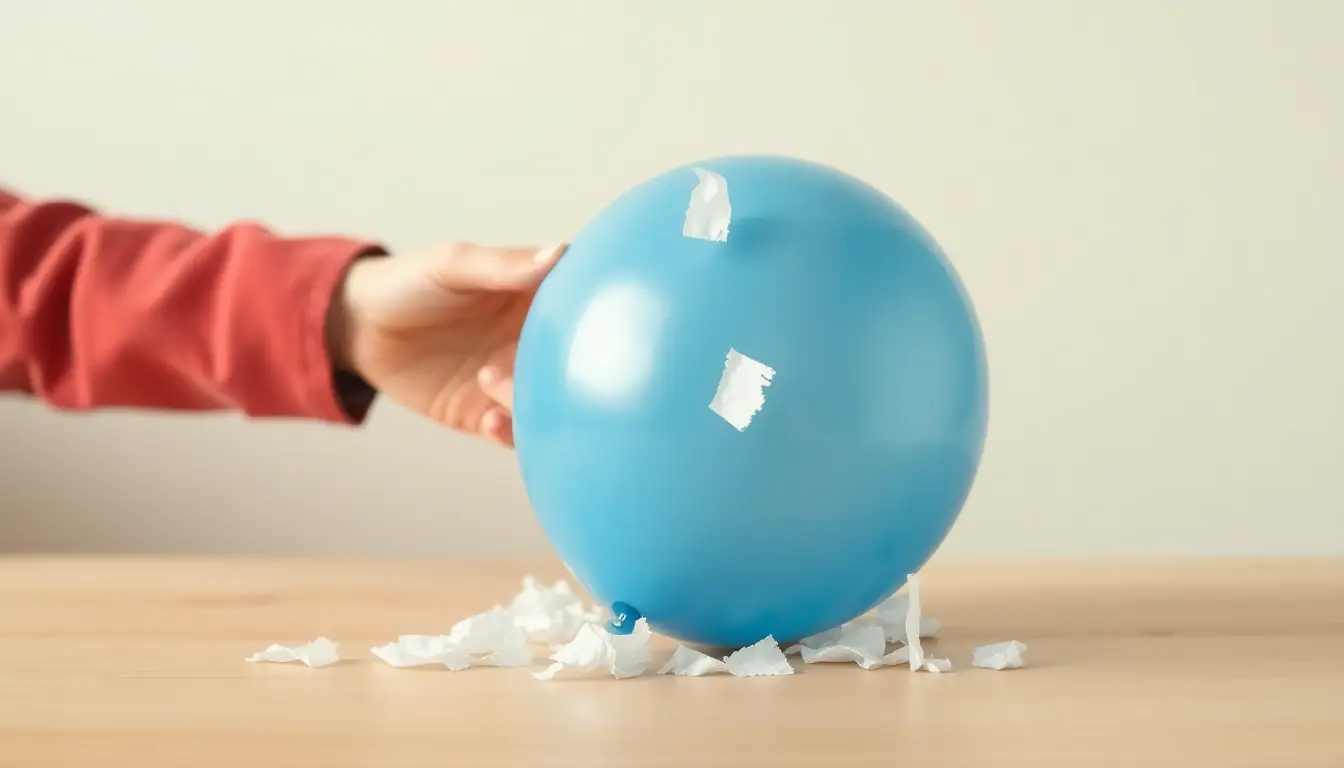
Rub a balloon on your hair or a woollen jersey and hold it near tiny bits of torn tissue. Watch closely. Write down exactly what you see, then one question you want answered.
Make it yours
Choose a context
Same big question, three different places to explore it. Pick the one that fits your class and community.
Lighting a model whare
Build a cardboard model house (a whare) with two or three rooms and wire it so each room has its own light and switch. Decide whether series or parallel wiring works best, and design your own patterns for the outside. Links well with a Matariki display or a class study of homes.
A torch for a tramping trip
Design a simple, tough torch for an overnight tramp or school camp: battery, switch, bulb or LED, and a case that keeps out rain. Test how long it runs and how bright it is. Suits rural schools and classes heading into the bush or the hills.
The school energy audit
Walk the school with a checklist and find out what uses the most electricity: lights left on, heaters, computers on standby, the staffroom fridge. Read the power meter, crunch the numbers and recommend changes to the people who pay the bill. Great for urban schools and big campuses.
VOICE
Week by week
Two sessions a week, each with Getting started and Stretch support so the whole class works together.
- W1What is electricity? Static surprisesValidate the Problem: Three requests · Observe: Static stations
- W2Making a path: conductors, insulators and simple circuitsObserve: Conductor or insulator? · Investigate: Symbols and first circuits
- W3Series or parallel? Predict, build, measureInvestigate: Two ways to wire · Investigate: Measure it
- W4Build the real thingInvestigate: Design and build · Create Conclusions: What the evidence says
- W5Evaluate and light up the displayEvaluate: Fair and reliable? · Evaluate: Spark showcase

Hands-on
Activities
Investigations and projects that fit the weeks above. Open one to see what you need and how you'll know it worked.
Static stationsWhat can a charged balloon do?Open
You need: 2 balloons on strings · a woollen jersey or cloth · tissue paper torn into small pieces · a tap with a thin stream of water · a ping-pong ball
- Rub a balloon on the wool 20 times. Hold it just above the tissue pieces and watch.
- Hold the charged balloon near (not touching) a thin stream of tap water.
- Charge both balloons and hang them side by side. What do they do?
- Roll a ping-pong ball across the table by moving the charged balloon in front of it.
- Record what you saw at each station, then explain it using positive and negative charges.
How you'll know: You can explain each result: rubbing moved electrons onto the balloon, like charges pushed apart, and the charged balloon pulled on uncharged objects.
Safety: Balloons can burst: keep them away from faces. Some people have latex allergies: check first and use latex-free balloons if needed. Wipe up any water.
Go further: Test different rubbing materials (plastic bag, cotton, hair, wool) and rank which charges the balloon best.
Fits week 1 →Jar electroscopeCan you detect an invisible charge?Open
You need: a clean glass jar · a card lid · a large paper clip straightened with a hook at the bottom · two thin strips of aluminium foil (1 cm × 4 cm) · a balloon or plastic comb
- Push the straight end of the paper clip up through the card lid.
- Hang the two foil strips side by side on the hook inside the jar.
- Put the lid on the jar. Make a small ball of foil on the top end of the wire.
- Bring a charged balloon near the foil ball. Watch the strips.
- Touch the foil ball with your finger and watch again.
How you'll know: The strips spread apart when a charge is near, because they both get the same charge and repel each other. Touching the ball lets the charge escape and the strips drop.
Safety: Handle glass jars carefully. Bend wire with pliers to avoid pricking fingers.
Go further: Use the electroscope to compare which materials hold a charge longest.
Fits week 1 →Conductor detectiveWhich everyday materials let electricity through?Open
You need: 2 AA batteries in a holder · a small torch bulb in a holder or an LED · 3 crocodile-clip leads · 12 test objects: coin, foil, key, plastic ruler, pencil lead, eraser, wooden peg, paper clip, glass, a leaf, cups of tap water and salty water
- Build a circuit with a gap between two clips.
- Predict whether each object will light the bulb.
- Touch both clips to the object. Record whether the bulb lights, and how brightly.
- Dip both clips into the tap water, then the salty water, without letting them touch.
- Sort your results into conductors and insulators.
How you'll know: Metals and pencil lead (graphite) light the bulb; plastic, wood, rubber and glass do not. Salty water glows more than tap water.
Safety: Batteries only, never a wall socket. Keep water away from the battery holder and dry your hands afterwards.
Go further: Explain why electricians wear rubber-soled boots and why you should never touch a switch with wet hands.
Fits week 2 →Squishy circuitsCan playdough carry electricity?Open
You need: salt dough (flour, water, salt, cream of tartar) · sugar dough (flour, sugar, oil, distilled water) · 2 AA batteries in a holder with leads · LEDs
- Make two lumps of salt dough. Push one battery lead into each lump.
- Push the legs of an LED into the two lumps, long leg on the positive side.
- Squash the lumps together. What happens to the LED? Why?
- Separate them with a slice of sugar dough. Try again.
- Design a dough creature with glowing eyes using both doughs.
How you'll know: The LED lights when the current has a path through the salt dough and goes out when the two lumps touch (a short circuit) or when the path is broken.
Safety: Doughs are for science, not eating. Check for wheat allergies. Wash hands afterwards.
Go further: Add two LEDs in parallel. Can you light both at once? Draw the circuit diagram.
Fits week 2 →Series versus parallelWhat happens to the other bulbs when one goes out?Open
You need: 2 AA batteries in a holder · 3 bulbs in holders · 8 crocodile-clip leads · a multimeter
- Build a series circuit with one bulb. Rate its brightness from 1 to 5.
- Add a second and third bulb in the same loop. Rate the brightness again.
- Unscrew one bulb. What happens to the others?
- Rebuild as a parallel circuit with each bulb on its own branch. Rate the brightness and unscrew one.
- Measure the current and voltage in each version and record them.
How you'll know: In series the bulbs dim and all go out if one breaks. In parallel each bulb stays bright and the others keep working. Your meter readings back this up.
Safety: If a wire or battery gets warm, unclip it straight away: that means a short circuit.
Go further: Use your readings and V = I × R to show that adding bulbs in series increases the resistance.
Fits week 3 →Build a tramping torchCan you design a torch that is bright, reliable and tough?Open
You need: a cardboard tube or small plastic bottle · 2 AA batteries · a bulb or LED with holder · foil · a paper clip and two brass drawing pins (switch) · tape · a clear plastic lid
- Draw your circuit diagram first: batteries, switch, bulb.
- Make a switch from a paper clip that swings to touch a drawing pin.
- Fit the batteries in the tube end to end and connect them to the bulb and switch.
- Test it. Then time how long it stays bright, and test it after a light spray of water on the outside.
- Improve one thing and test again.
How you'll know: The torch lights every time you flick the switch, you have a timed test result, and you can explain how the switch breaks and completes the circuit.
Safety: Never cut open or heat a battery. Remove batteries when not in use. Keep the spray test light and away from the open circuit.
Go further: Add a second LED in parallel for a wide beam and compare battery life.
Fits week 4 →Energy detectives: the school auditWhere is our school using, and wasting, electricity?Open
You need: an audit checklist · a clipboard · a torch · the school's power bill or meter data (from the office) · a calculator
- Pick two rooms. Count every light, heater, computer, screen and appliance.
- Write down the watts shown on each label (ask an adult to help read labels on heavy items; never unplug anything yourself).
- Note what is left on when no one is there and what glows on standby.
- Estimate hours of use per day. Calculate energy: watts × hours ÷ 1000 = kilowatt-hours.
- Rank the biggest users and write three recommendations.
How you'll know: You have a table of devices, a kilowatt-hour estimate for each and recommendations backed by your numbers.
Safety: Look, do not touch. Only the caretaker opens switchboards or meter boxes. Stay out of kitchens and workshops unless invited.
Go further: Use the power price on the bill to work out how much money one change could save in a year.
Fits week 4 →Look closer
From the real world
Background reading
Read to understand
Short readings written for Kōkiri Learn students, with their sources.
- Static: the spark you can make yourselfRubbing two materials together can move tiny charged particles from one to the other. That is static electricity.
- Current, voltage and resistance: how a circuit worksA circuit is a complete loop that lets charge flow. Voltage pushes, current flows and resistance holds it back.
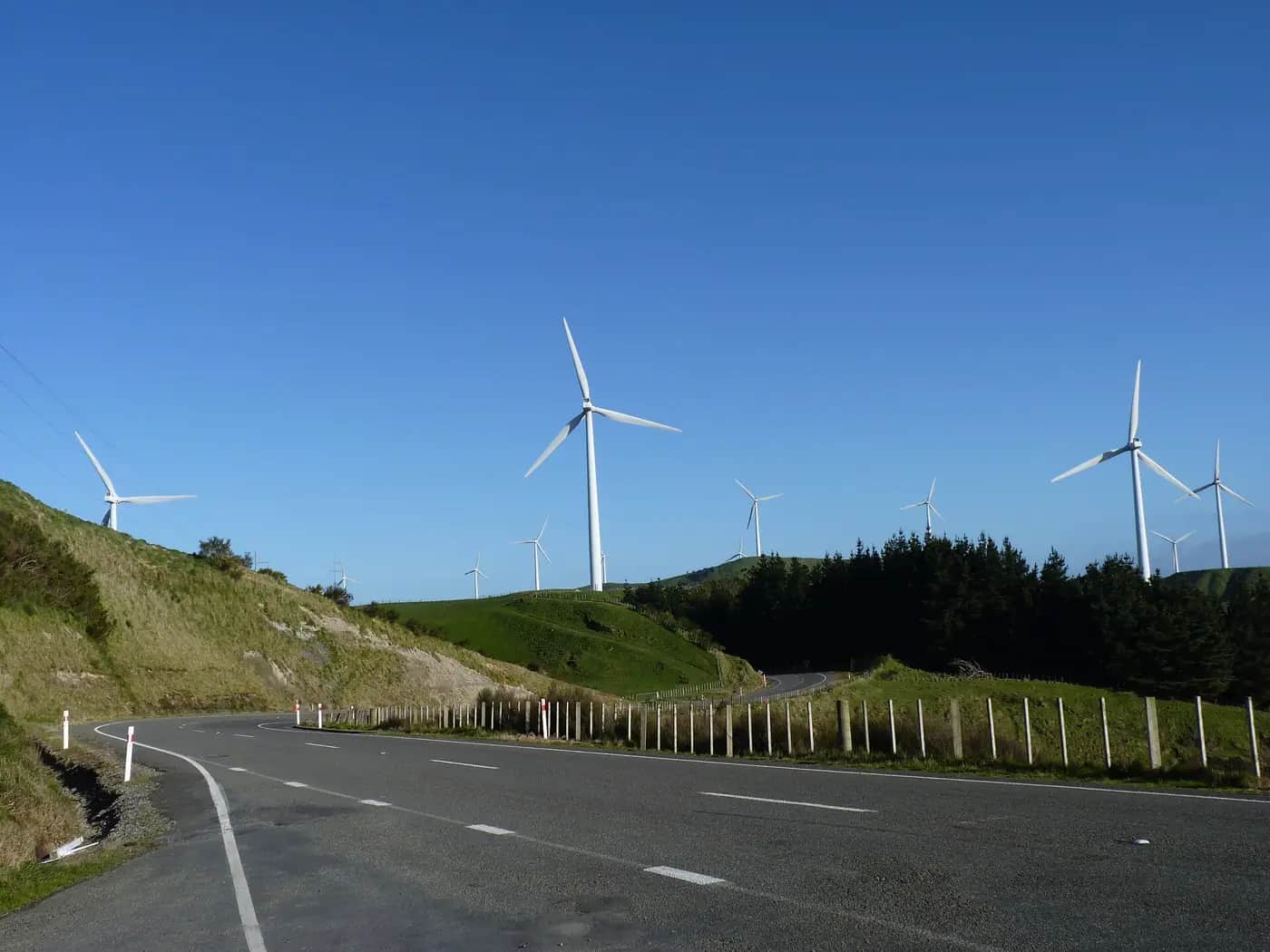
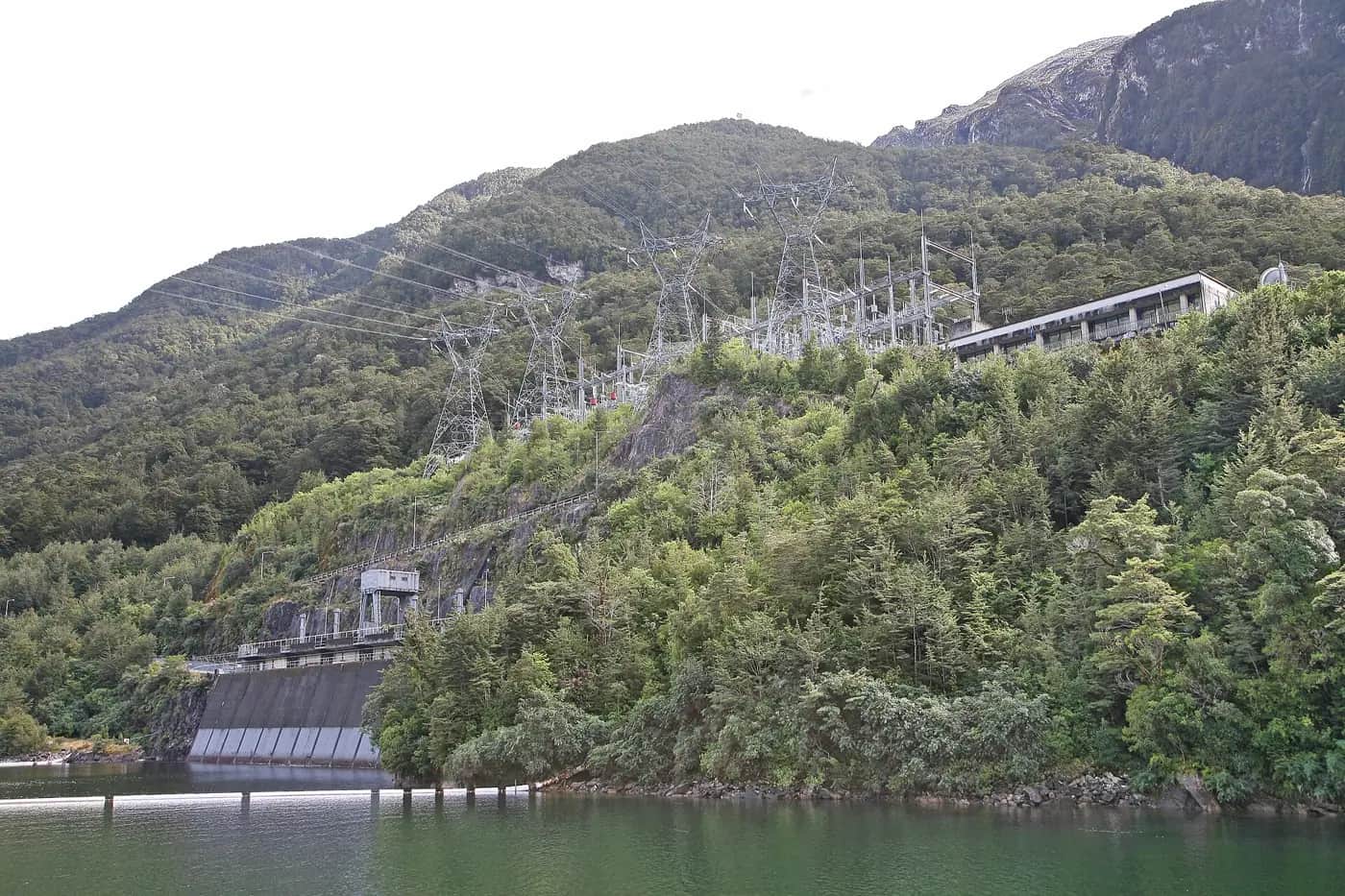
- Where our power comes from, and how to stay safeMost of Aotearoa's electricity comes from moving water, heat from the ground and wind. The same power that runs your home can hurt you, so respect it.
Trusted NZ sites
Explore more
Placed at the stage of the journey where each one helps.
Validate the Problem
Energy-saving information for homes ↗EECA
Where NZ homes use the most electricity and simple ways to save it.
Observe
Static electricity and electrical charge ↗Science Learning Hub
How rubbing moves electrons and makes objects attract or repel.
Observe
Balloons and Static Electricity ↗PhET, University of Colorado
See the charges move when you rub a balloon on a jersey.
Investigate
Electricity – electrons, insulators and conductors ↗Science Learning Hub
Why metals conduct and plastics do not.
Investigate
Circuit Construction Kit: DC ↗PhET, University of Colorado
Build series and parallel circuits on screen and measure current and voltage.
Create Conclusions
Communicating with symbols ↗Science Learning Hub
Draw circuit diagrams that anyone in the world can read.
Create Conclusions
Resistors ↗Science Learning Hub
How resistance controls current in a circuit.
Evaluate
Energy Safety ↗WorkSafe
New Zealand's rules and advice for staying safe around electricity.
Real audiences
- The junior class and whānau at a Matariki or end-of-term display of lit model whare
- The outdoor education leader or a local tramping club, with a tested torch design
- The school enviro group, principal or board, with an energy-audit report and recommendations
Work with other schools
- Swap circuit diagrams with a partner school: each class builds the other's design and reports back on whether it worked first time.
- Run the same energy audit checklist with another school and compare kilowatt-hours per student.
- Hold a joint online showcase where each class demonstrates a circuit and the other class predicts what happens when one part is removed.
Stretch challenges
- Build a steady-hand game with a wire loop and a buzzer, and draw its circuit diagram.
- Research how Manapōuri, Clyde or a local wind farm turns movement into electricity, and make a flow diagram of the energy changes.
- Find out how a light-dependent resistor works and use one to make a light that switches on when it gets dark.
- Compare the energy used by an old-style bulb and an LED giving the same light, and calculate the savings for your whole school.
New Zealand Curriculum
What this world covers
Mapped to the refreshed Phase 3 statements. The whole class covers both the Year 7 and Year 8 sequences over two years.
Science · Physical Science
Static electricity and electric fields; conductors, insulators and resistors; current (A), voltage (V) and resistance (Ω); how series and parallel circuits behave; generating electricity
Year 8 sequence
Science · Science practices
Using circuit models to predict what will happen, then testing, measuring and judging how reliable the results are
Year 8 sequence
Technology · Systems and control
Standard circuit symbols and building simple electrical circuits
Year 7 sequence
Technology · Systems and control
Input–process–output thinking for a torch or lighting system with switches
Year 8 sequence
Mathematics and Statistics · Algebra
Using a rule written with letters (V = I × R) to predict current or resistance
Year 8 sequence
For teachers: how to run it
This world covers the Phase 3 Year 8 content on electric charge and static electricity, conductors and insulators, current, voltage and resistance (including Ohm's law as a ratio), series and parallel circuits, electric fields and electricity generation, with practices of predicting, building, measuring and classifying. Prep per group: 2 AA batteries in a holder, 3 small torch bulbs in holders (or LEDs with built-in resistors), 6 crocodile-clip leads, a switch or paper clips and drawing pins, a cheap digital multimeter set to DC volts and DC milliamps (teach the two settings explicitly), balloons, tissue, a jar electroscope kit (jar, card lid, paper clip, foil strips). Conductive and insulating playdough: salt-and-cream-of-tartar dough conducts; sugar dough insulates. Safety, stated every session: batteries only, never mains power, never open an appliance or a wall socket; no button or coin batteries (they are dangerous if swallowed); do not short-circuit a battery with a bare wire (it heats up fast); no 9 V batteries near steel wool or foil; unplugged appliances only for any audit inspection, and the caretaker leads any look at a switchboard or meter. For the energy audit, get the principal's permission and use the school's own power bills or smart-meter data if possible. Cultural care: if students build a model whare, they design their own patterns; do not reproduce carvings or kōwhaiwhai from a real wharenui without guidance from mana whenua. Differentiation: provide circuit-symbol cards and a pre-drawn diagram to trace over; stretch students with Ohm's law calculations, a two-way switch, or a light sensor. Kōkiri Lab link: the Robotics & Systems world picks up input–process–output systems, sensors and microcontrollers.
Plan this world into any term with the two-year planner. Students can record their thinking in their Kōkiri Learn portfolio.
More Science worlds




Ready to run it with your class?
Free trial for NZ schools. One combined Years 7–8 class, any term.